


If you have ever stood in front of an open fridge at six in the evening, hungry, tired and with no idea what to cook, you already know the problem that weekly meal plans are meant to solve. It is not a lack of recipes. Most of us have hundreds saved on our phones. It is the daily decision, made at the worst possible moment, when willpower is low and the takeaway app is one tap away. A weekly meal plan moves that decision to a calmer time, usually Sunday afternoon or a quiet evening, when you can think clearly about what you actually want to eat.
Planning a week of meals does not mean eating the same chicken and rice every night, or spending your whole weekend in the kitchen. At its simplest, it is a short list: seven dinners, a few lunches, and the breakfasts and snacks that keep you going in between. Once that list exists, the shopping list almost writes itself, the fridge stops filling up with things you forgot you bought, and weeknights become noticeably easier. This meal planning guide from Healthline covers the same ground in a different way, and it is worth a read if you want a second opinion before you start.
In this guide, we will look at why planning works, how to build a plan in five practical steps, what a realistic seven-day plan looks like, how long batch-cooked food actually keeps, and how to do all of it without blowing the food budget. There are no detoxes, no banned foods and no miracle claims here. Just a system that thousands of busy households use because it saves time, cuts waste and makes healthy eating the easy option rather than the effortful one.
Why weekly meal plans work
The case for planning is stronger than most people expect, and it is not only about willpower. When researchers in France followed more than 40,000 adults in the NutriNet-Sante study, they found that people who planned their meals were more likely to follow dietary guidelines, ate a wider variety of foods, and were less likely to be obese than people who did not plan. The link is easy to understand: a plan made in advance is usually made with your long-term goals in mind, while a decision made when you are hungry is usually made with your stomach.
Money is the other obvious benefit. A takeaway for a family of four in the UK can easily cost 30 to 40 pounds, while a home-cooked meal using the same core ingredients often comes in at under 10 pounds. Do that swap three times a week and the saving is 60 to 90 pounds a week, or more than 3,000 pounds over a year. Even for one person, cooking at home instead of ordering in two or three times a week usually saves 40 to 60 pounds a month. Those are not small numbers, and they add up without any sacrifice in how well you eat. In fact, most people eat better, because home cooking lets you control salt, oil and portion size in a way a restaurant never will.
Food waste is the third reason, and it matters more than most households realise. WRAP, the UK waste charity, estimates that households throw away around 6.4 million tonnes of food a year, of which about 4.5 million tonnes could have been eaten. In the United States, the Department of Agriculture puts the figure for food lost or wasted at retail and consumer level at 30 to 40 percent of the food supply. Much of that waste is not food that went off in the fridge. It is food that was bought without a plan, pushed to the back of a shelf, and forgotten. A shopping list built from a meal plan is the simplest cure for that, because you buy what you need for meals you have already chosen.
Time is the benefit people notice first, usually within a fortnight. Without a plan, the average household spends 20 to 30 minutes a day deciding what to eat, checking what is in the cupboard, and often making an extra trip to the shop. With a plan, that daily negotiation disappears. You already know what is for dinner, the ingredients are already there, and cooking itself takes 20 to 40 minutes for most weeknight meals. Add in one batch-cooking session of 90 minutes at the weekend, and many families find they spend less total time on food across the week, not more, even though they are cooking more often.
- Less stress: the 6pm question is answered before the week begins.
- Better balance: you can spread fish, beans, vegetables and wholegrains across the week instead of repeating the same three meals.
- Lower cost: fewer impulse buys, fewer takeaways and less food thrown away.
- Less waste: you buy for specific meals, so fresh food gets used while it is still fresh.
- More variety: a plan makes it easy to try one new recipe a week without it feeling like a project.
How to build a weekly meal plan in 5 steps
You do not need a spreadsheet, a subscription or a special notebook to do this well. A piece of paper, the notes app on your phone, or a whiteboard on the fridge will do. The whole process takes 20 to 30 minutes once you have done it twice, and most of that is deciding what you fancy eating. Here is the method that works for most households, whether you cook for one or for five.
Step 1: Check what you already have
Start with the fridge, freezer and cupboards, not with a recipe book. Note the chicken breasts in the freezer, the tin of chickpeas, the rice, the half-used bag of spinach and the yoghurt that needs using by Thursday. Planning around food you already own is the fastest way to cut waste and cost, and it stops you buying a second jar of something you already have two of. Most households find two or three meals a week can be built largely from what is already in the house, which immediately takes pressure off the shopping list.
Step 2: Look at your week honestly
A plan only works if it fits your actual week. Check the calendar before you choose meals. A late meeting on Tuesday means a 15-minute dinner, not a slow-cooked stew. A free Saturday afternoon is the day for a roast or a curry that takes an hour. If the children have football on Thursday, that is a leftovers night. Mark one night as a flexible night, for leftovers, eggs on toast, or a freezer meal, so that a change of plan does not derail the whole week. People who plan rigidly for seven nights usually give up by Wednesday. People who plan for five or six nights, with one night left open, tend to stick with it for months.
Step 3: Choose your meals around a theme
Themes remove the hardest part, which is choosing from nothing. Many families use a loose rotation: meat-free Monday, pasta Tuesday, fish on Friday, a slow cooker day, and a takeaway-style fakeaway on Saturday. You do not have to follow anyone else’s themes. The point is to narrow the choice so you are picking one pasta dish, not inventing a menu from scratch. Aim for balance across the week rather than perfection in a single day. That means two or three portions of oily fish a week if you eat fish, beans or lentils two or three times a week, vegetables with every dinner, and wholegrains, such as brown rice, wholemeal bread or oats, most days.
Step 4: Write the shopping list from the plan
Go through each meal and write down only what you do not already have, in the order you walk around the shop: fruit and vegetables first, then meat and fish, then dairy, then cupboard items. Grouping the list this way stops you doubling back and makes it much harder to forget something. Stick to the list as closely as you can. Supermarkets are designed to tempt you, and studies of shopping behaviour consistently show that unplanned purchases, often snacks, drinks and extra treats, make up a large share of the weekly bill. A list is not about being strict for its own sake. It is about spending the money on the food you actually planned to eat.
Step 5: Do one short prep session
Set aside 60 to 90 minutes, usually on Sunday, to cook two or three things in bulk and to prep the ingredients for the first few days. Cook a big pot of rice or a tray of roasted vegetables, wash and chop salad ingredients, marinate chicken for Monday, and portion snacks such as fruit, nuts and yoghurt. You are not cooking every meal for the week. You are removing the boring, repetitive jobs from weeknights, so that Tuesday’s dinner is a matter of assembling things you have already prepared. Label containers with the day and the contents, and put the meals for later in the week in the freezer if they will not be eaten within three or four days.
A sample 7-day weekly meal plan
A plan is easier to trust when you can see a full week of it, so here is a realistic example for an average adult household. It is not a diet plan, and the portions are deliberately flexible. A teenager, a manual worker and someone who sits at a desk all day will all eat different amounts, and that is normal. Use this as a template and swap in the foods your household actually likes. The pattern to copy is the balance: vegetables at lunch and dinner, protein at every meal, wholegrains most days, and fish twice in the week.
- Monday: Porridge with banana and a spoonful of peanut butter; leftover roast chicken salad sandwich on wholemeal bread with an apple; lentil and vegetable soup with crusty bread.
- Tuesday: Greek yoghurt with berries and oats; chickpea and feta salad with cucumber, tomatoes and pitta; spaghetti Bolognese made with half beef and half lentils, served with a large green salad.
- Wednesday: Scrambled eggs on wholemeal toast with mushrooms and spinach; soup and a cheese toastie, or the leftover Bolognese; salmon fillets with new potatoes, green beans and lemon.
- Thursday: Overnight oats with grated apple and cinnamon; tuna, sweetcorn and salad wrap; chicken stir-fry with peppers, broccoli and brown rice, using the vegetables prepped on Sunday.
- Friday: Toast with avocado and a boiled egg; homemade soup or a jacket potato with beans and cheese; baked cod or haddock with oven chips, peas and tartar sauce, a lighter take on the classic fish supper.
- Saturday: Pancakes with fruit and yoghurt; a ploughman’s-style lunch of bread, cheese, ham, pickles and salad; homemade chicken curry with rice, or a vegetable curry with chickpeas, and a side of cucumber raita.
- Sunday: A cooked breakfast with eggs, beans, tomatoes and wholemeal toast; a light lunch of soup and sandwiches; roast chicken with roast potatoes, carrots, broccoli and gravy, with enough chicken left over for Monday’s lunch.
Notice how the week reuses food on purpose. Sunday’s roast becomes Monday’s lunch. Tuesday’s Bolognese becomes Wednesday’s lunch. The same bag of spinach appears in scrambled eggs, a salad and a stir-fry. That is not laziness. It is the whole point of a weekly plan: you cook once and eat well twice, and the shopping list stays short because ingredients do the work of two or three meals. Snacks are deliberately simple too. Fruit, a small handful of unsalted nuts, yoghurt, cheese, oatcakes or a slice of toast will cover most days without a separate snack plan.
Batch cooking and storage times
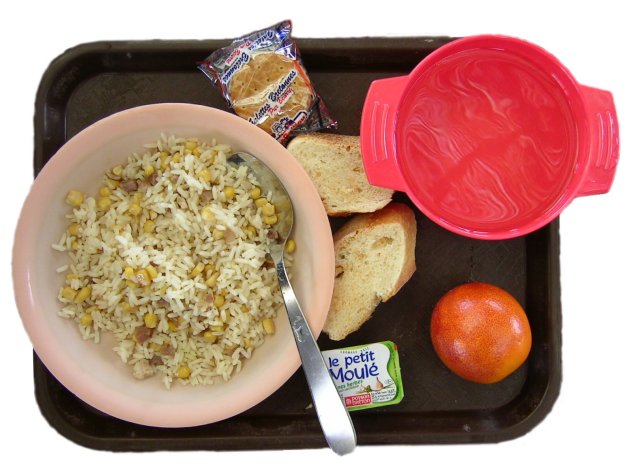
Batch cooking only works if you know how long food keeps, because food kept too long is food wasted. The Food Standards Agency advises that cooked food should be cooled quickly, within two hours, and stored in the fridge at 5 degrees Celsius or below. As a rule, cooked meals, soups and stews keep for three to four days in the fridge. Cooked rice is the exception people get wrong most often: cool it within an hour, keep it for no more than one day in the fridge, and reheat it until it is steaming hot all the way through. Never reheat rice more than once.
- Soups, stews and curries: 3 to 4 days in the fridge, 2 to 3 months in the freezer.
- Cooked chicken and meat: 3 to 4 days in the fridge, 2 to 3 months in the freezer.
- Cooked fish: 2 days in the fridge, 2 to 3 months in the freezer.
- Cooked rice and pasta: 1 day for rice, up to 3 days for pasta, in the fridge; both freeze well for up to 3 months.
- Roasted vegetables: 3 to 4 days in the fridge, up to 3 months in the freezer.
- Salads and cut fruit: 1 to 2 days in the fridge; do not freeze.
Freeze food in flat, labelled portions rather than one large container, so you can defrost exactly what you need. Defrost overnight in the fridge, never on the kitchen counter, and use defrosted food within 24 hours. If you are in doubt about a container that has been in the fridge for five days, throw it away. A meal plan that saves 10 pounds is not worth a bout of food poisoning.
How to keep weekly meal plans on budget
Planning and budgeting go together, because the plan is what stops the budget leaking away on extras. Start by setting a rough weekly figure and checking it against what you actually spend, not what you think you spend. The average UK household spends around 60 to 70 pounds a week on food and non-alcoholic drinks, according to the Office for National Statistics, although that varies widely with household size and where you shop. A single person can often eat well for 35 to 45 pounds a week with a plan, while a family of four may need 90 to 120 pounds. The point is not to hit someone else’s number. It is to know your own, and to notice when it creeps up.
Build your week around cheap, filling staples: oats, rice, pasta, potatoes, lentils, beans, eggs and seasonal vegetables. Use meat as a flavour and a protein source rather than the main event, which is exactly what the Bolognese and curry in the plan above do. Buy frozen vegetables and fish when fresh is expensive, because they are frozen at their best and waste almost nothing. Check the reduced section for meat and bread you can freeze the same day, and keep a small stock of tinned tomatoes, stock cubes, spices and oil so you are never forced into an expensive shop for one missing ingredient.
A weekly shopping list that actually works
A good shopping list is short, specific and grouped by shop aisle. It should cover the sample week above in one main shop, with perhaps one top-up for milk, bread and fresh fruit midweek. Start with the fruit and vegetables: bananas, apples, berries, lemons, onions, garlic, potatoes, carrots, broccoli, peppers, green beans, spinach, mushrooms, tomatoes and cucumber. Then protein: chicken, salmon, white fish, mince, eggs, Greek yoghurt, cheese and tinned chickpeas, lentils and tuna. Then the cupboard and dairy: oats, rice, pasta, bread, pitta, milk, butter, olive oil, tinned tomatoes, stock, soy sauce and the spices for your curry. If you want more ideas for filling in the gaps between these staples, these meal planning ideas on Tech Beacon are a useful starting point for the next week, once this first week is under your belt.
Write the quantities next to each item, even roughly: 500 grams of mince, two tins of tomatoes, one bag of spinach. Quantities are what stop you buying three bags of something you only need one of, and they make the top-up shop obvious. Keep the list on your phone, tick items off as you go, and add anything you run out of during the week straight onto next week’s list, so the plan improves every time you use it.
Frequently asked questions
How long does it take to plan meals for a week?
About 20 to 30 minutes at first, and often less than 20 minutes once you have a few favourite meals to rotate. The prep session is separate and usually takes 60 to 90 minutes, but it saves that time several times over during the week.
Do weekly meal plans save money?
For most households, yes. The savings come from fewer takeaways, fewer impulse buys and less food thrown away. A household that replaces three takeaways a week with home cooking can save 60 to 90 pounds a week, although the exact figure depends on how often you currently eat out.
What if I get bored eating the same meals?
Change one thing each week rather than the whole plan. Swap the protein, change the sauce, or try one new recipe a week and keep the ones that work. A plan is a starting point, not a contract, and swapping Tuesday and Thursday around is fine.
How far ahead can I cook meals?
Most cooked meals keep for three to four days in the fridge and two to three months in the freezer. Cook for the next three or four days, freeze the rest, and defrost it later in the week. Cooked rice should be eaten within a day.
Can I follow a weekly meal plan if I live alone?
Yes, and it often helps more, because cooking for one makes waste more likely. Cook a recipe that serves four, eat one portion, and freeze the other three. Within a month you will have a freezer full of home-made ready meals that cost a fraction of the shop-bought kind.
Start with one week
Weekly meal plans work because they are simple, not because they are clever. Pick seven dinners, write the list, do one short prep session, and see how the week feels. Most people find the first week is the hardest and the second week is noticeably easier, because the meals, the list and the routine are already half familiar. By the third week, many households wonder why they ever left dinner to chance.
Start tonight, not next Monday. Choose three dinners for the rest of this week, buy only what you need for them, and cook one extra portion for tomorrow’s lunch. That small test will tell you more about whether planning suits your household than any amount of reading. If it works, use the sample plan above for a full week, adjust it to your tastes, and keep the meals that earn a place in the rotation.
This article is for general information only and is not a substitute for professional medical or dietary advice. If you have a medical condition, food allergy or specific dietary needs, please speak to a qualified health professional before changing your diet.
