

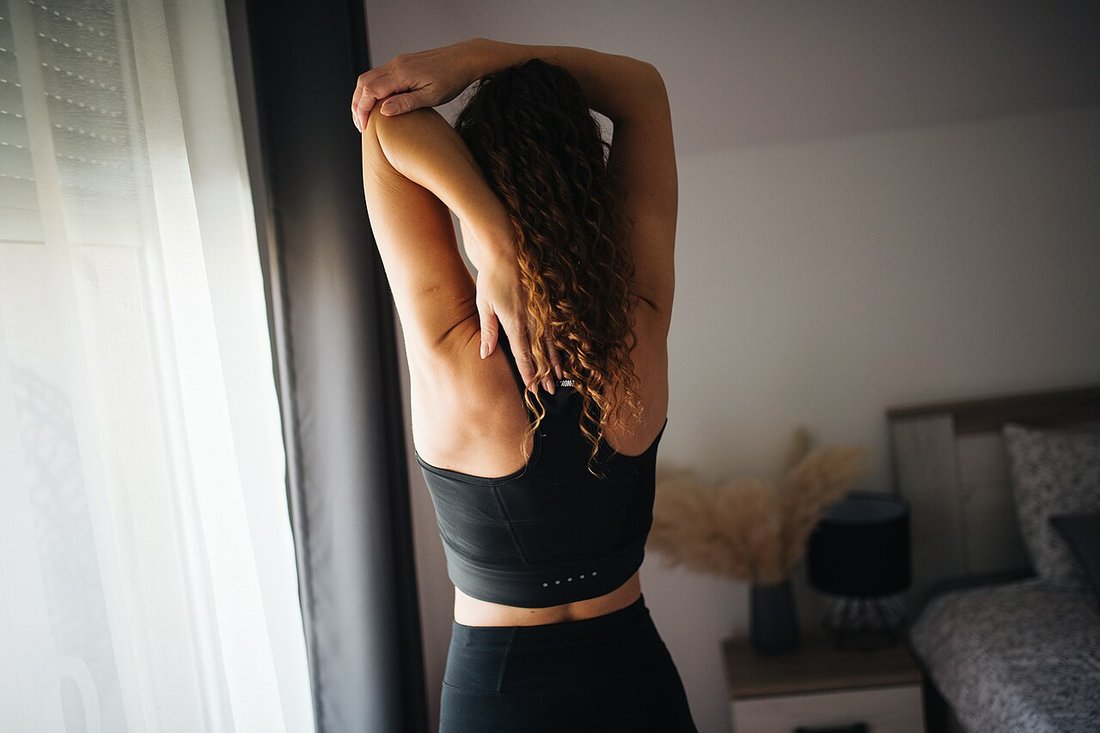
Stretching is the most neglected part of most people’s fitness routine. Millions of us walk, run, lift weights and play sport every week, yet we skip the five minutes of stretching that would help our bodies recover, move well and stay injury-free. Flexibility declines gradually with age and with hours spent sitting, so the stiffness that creeps into your hips, shoulders and lower back is not inevitable: it is the result of muscles and joints that are rarely asked to move through their full range.
The benefits of stretching go well beyond touching your toes. Regular stretching improves flexibility and range of motion, supports better posture, reduces muscle tension, lowers the risk of injury and can even help you relax and sleep better. Harvard Health Publishing notes that stretching keeps muscles flexible, strong and healthy, and that without it muscles shorten and become tight, which puts joints at risk of pain and strain. This guide explains what stretching actually does inside your body, the main types of stretching, the benefits supported by research, a safe 10-minute daily routine, and the mistakes that make stretching useless or even harmful.
What Happens When You Stretch?
When you hold a muscle in a lengthened position, several things happen at once. The muscle fibres and the connective tissue around them gradually lengthen, the nervous system becomes more comfortable with that range of motion, and blood flow to the area increases, bringing oxygen and nutrients. Over weeks of regular practice, this produces lasting gains in flexibility: the muscle-tendon unit becomes more elastic and the brain raises the threshold at which it triggers the protective stretch reflex that makes a tight muscle resist being lengthened.
It is important to understand that stretching does not permanently lengthen a muscle in the way that pulling a rope stretches it. Instead, it increases your tolerance to stretch and improves the way muscles, tendons and joints work together. That is why consistency matters far more than intensity: five minutes a day, five days a week, produces far better results than one aggressive 30-minute session at the weekend. Most people notice a real difference in how they move within two to four weeks of regular stretching.
10 Benefits of Stretching
1. Greater Flexibility and Range of Motion
The most obvious benefit is also the most important. Regular stretching increases the range of motion at your joints, which makes everyday movements easier: reaching a high shelf, bending to tie your shoes, turning to look behind you while driving. Studies consistently show that static stretching held for 15 to 30 seconds, repeated two to four times per muscle group, improves flexibility within a few weeks, and the American College of Sports Medicine recommends stretching at least two to three days a week for this reason.
2. Better Posture
Sitting at a desk for eight hours a day tightens the hip flexors and chest muscles while weakening the glutes and upper back, which pulls the body into a rounded, slumped posture. Stretching the chest, hip flexors and hamstrings, combined with strengthening the back, helps restore a more upright posture. Better posture reduces the load on the spine and can ease the neck and shoulder pain that affects so many office workers.
3. Lower Risk of Injury
Flexible muscles and tendons cope better with sudden movements, which is why stretching is a standard part of injury prevention in sport. Research on athletes shows that regular stretching reduces the risk of muscle strains, particularly in the hamstrings, which are among the most commonly injured muscles in running and football. Stretching is not a guarantee against injury, but it removes one of the main risk factors: a muscle that is too tight to absorb force.
4. Less Muscle Soreness and Tension
Gentle stretching after exercise increases blood flow to the muscles, which helps clear metabolic waste and deliver nutrients, and many people find it reduces the stiffness that appears a day or two after a hard workout. Stretching also releases tension in muscles that hold stress, particularly the neck, shoulders and jaw. A few minutes of slow stretching with deep breathing can lower muscle tension measurably, which is why it is often recommended for people with tension headaches.
5. Improved Circulation
Stretching increases blood flow to the muscles and joints, which supports recovery and keeps tissues healthy. Improved circulation also helps the body deliver oxygen to working muscles during exercise and remove waste products afterwards. For people who sit for long periods, standing up to stretch every hour is one of the simplest ways to counteract the reduced circulation that comes with sitting still.
6. Better Balance and Coordination
Flexibility and balance are closely linked, because good balance depends on joints that can move freely and muscles that can respond quickly. Research in older adults shows that stretching programmes improve balance and reduce the risk of falls, which is a major cause of injury after the age of 65. Stretching the ankles, calves and hips is particularly useful for balance, since those joints control how the body adjusts to uneven ground.
7. Improved Athletic Performance
Dynamic stretching before exercise, the kind that moves joints through their range rather than holding a still position, improves performance in activities that need power and speed, such as sprinting and jumping. Static stretching is better saved for after exercise, because holding a long stretch immediately before a maximal effort can temporarily reduce power output. Used at the right time, both types help an athlete move more efficiently and with less wasted effort.
8. Relief for Lower Back Pain
Lower back pain is one of the most common health complaints in the world, affecting around 80 percent of adults at some point in their lives. Tight hamstrings, hip flexors and lower back muscles contribute to it by pulling the pelvis out of alignment. Gentle, regular stretching of these areas is a standard recommendation for back pain, and studies show it can reduce pain and improve function as effectively as some other common treatments, particularly when combined with core strengthening.
9. Stress Relief and Better Sleep
Stretching activates the parasympathetic nervous system, the part of the nervous system responsible for rest and recovery, which is why slow stretching with deep breathing feels calming. A short stretching routine in the evening can help the body wind down before bed, and people who stretch regularly often report better sleep quality. It is a low-effort way to break the cycle in which stress tightens muscles and tight muscles increase the feeling of stress.
10. Greater Independence as You Age
Flexibility is one of the strongest predictors of how well people move in later life. The ability to get up from the floor, climb stairs, reach overhead and turn around depends on joints that still move freely. Older adults who stretch regularly maintain more of their mobility and independence than those who do not, and the effect is large enough that stretching is now a standard component of exercise programmes for people over 65.
Types of Stretching
Not all stretching is the same, and using the right type at the right time makes a real difference. Static stretching means holding a stretch in one position for 15 to 30 seconds, for example touching your toes and holding. It is best done after exercise or as a standalone session. Dynamic stretching means moving through a range of motion, such as leg swings or arm circles, and it is the right choice for warming up before exercise. Proprioceptive neuromuscular facilitation, or PNF, involves contracting a muscle against resistance before stretching it, and it is very effective but best learned with a coach or physiotherapist. Ballistic stretching, which uses bouncing movements to force a stretch, is generally not recommended for beginners because it increases the risk of injury.
A good rule is simple: move before exercise, hold after exercise. Five minutes of dynamic stretches, such as leg swings, hip circles and arm circles, prepares the body to move. After exercise, or in a separate session, hold static stretches for 15 to 30 seconds each, breathing slowly and never forcing a position. Stretching should feel like a gentle pull, never sharp pain.
How to Stretch Safely
Stretching is safe for most people, but a few rules keep it effective and injury-free. Always warm up first, with five minutes of light movement such as walking, because cold muscles are less elastic and more easily strained. Hold each stretch for 15 to 30 seconds and repeat it two to four times, rather than holding one very long stretch. Breathe slowly and steadily; holding your breath increases tension. Stretch both sides of the body equally, and never bounce. Stop if you feel sharp pain, numbness or tingling, and be particularly careful if you have an injury, osteoporosis or a joint condition; in those cases, ask a doctor or physiotherapist before starting a new stretching routine.
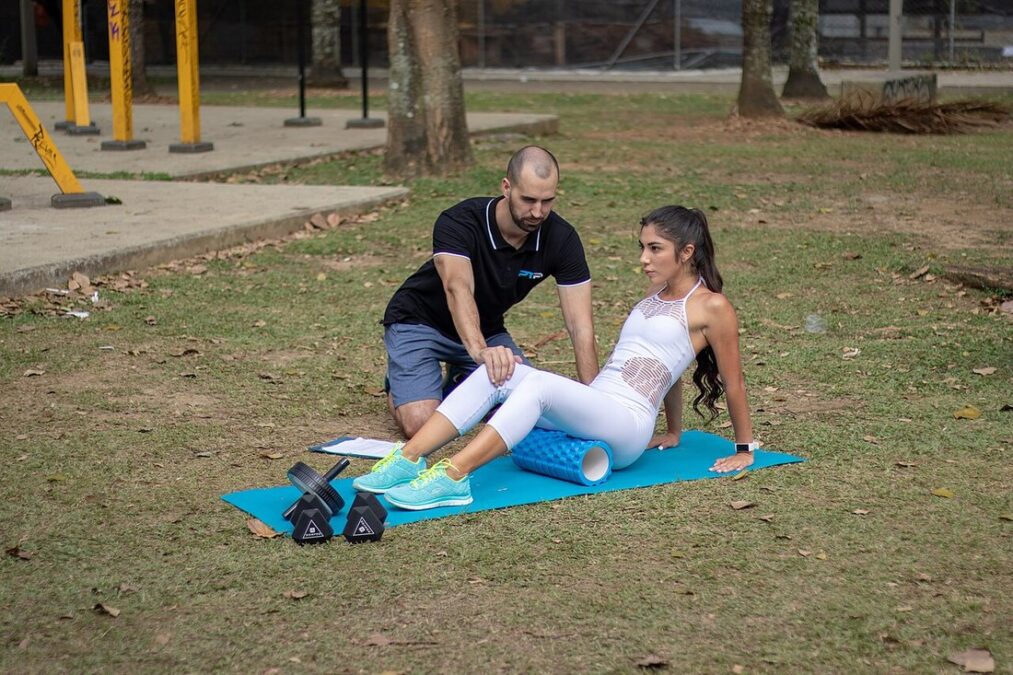
It also helps to stretch at a consistent time of day so it becomes a habit. Many people find that stretching works best either in the morning, when muscles are stiff from sleep, or in the evening as a way to unwind. Either is fine; the best time is the time you will actually do it. Keep a short list of your stretches on your phone or on a card, so you do not have to think about what to do next.
A 10-Minute Daily Stretching Routine
This routine covers the whole body in about 10 minutes and needs no equipment. Hold each stretch for 30 seconds on each side, breathing slowly throughout, and move gently between positions.
- Neck stretch: tilt your head towards each shoulder, then gently forward, holding each position for 30 seconds.
- Shoulder stretch: bring one arm across your chest and hold it with the other hand, then swap sides.
- Cat-cow: on hands and knees, arch your back slowly and then round it, repeating 10 times.
- Standing hamstring stretch: place one heel on a low step, keep the leg straight and lean forward gently from the hips.
- Quadriceps stretch: standing, pull one foot towards your buttock, keeping your knees together, and hold onto a wall for balance.
- Hip flexor stretch: step into a low lunge, keep your back straight and push your hips gently forward.
- Seated spinal twist: sit with legs extended, cross one leg over the other and twist gently towards the bent knee.
- Calf stretch: stand facing a wall, step one foot back, keep the heel down and lean forward until you feel a stretch in the calf.
Do this routine daily for two weeks and you will notice the difference in how your body feels when you wake up and how easily you move during the day. After a month, you can add more advanced stretches, such as a pigeon stretch for the hips or a deeper hamstring stretch, but the routine above is enough on its own to maintain good flexibility for most people.
Common Mistakes When Stretching
The most common mistake is stretching cold muscles. Stretching before a warm-up, or first thing in the morning without any movement, is less effective and more likely to cause a strain. The second mistake is bouncing, which triggers the stretch reflex and can cause small tears in the muscle. The third is holding your breath, which increases muscle tension and defeats the purpose. The fourth is stretching only one side of the body, which creates imbalances over time. And the fifth is stretching through pain: a stretch should feel like a gentle pull at about 6 or 7 out of 10 in intensity, never a sharp or stabbing sensation.
Another mistake is treating stretching as an occasional extra rather than a habit. Stretching once a week will not maintain flexibility any more than exercising once a week will maintain fitness. The fix is to attach stretching to something you already do every day, for example stretching for 10 minutes while your morning coffee brews, or after your evening walk. Our guide to a morning routine for success shows how to build a short morning routine that includes stretching alongside the other habits that set up a good day.
Frequently Asked Questions
How long should you hold a stretch?
Hold a static stretch for 15 to 30 seconds, and repeat it two to four times for each muscle group. Research shows that 30 seconds is enough for most people, and holding for longer than 60 seconds gives little extra benefit for flexibility, although it can feel relaxing. For older adults, holding for 30 to 60 seconds may be slightly more effective.
Is it better to stretch before or after exercise?
Do dynamic stretching before exercise to warm up, and static stretching after exercise or as a separate session. Static stretching immediately before intense exercise can temporarily reduce strength and power, so save the long holds for afterwards. If you only have time for one, stretch after exercise, when your muscles are warm.
Can stretching help with back pain?
Yes, gentle stretching of the hamstrings, hip flexors and lower back is a standard recommendation for many types of back pain, and studies show it can reduce pain and improve movement. Stretch slowly, avoid any movement that causes sharp pain, and see a doctor if your pain is severe, lasts more than a few weeks, or is accompanied by numbness, weakness or bladder problems.
How often should I stretch?
The American College of Sports Medicine recommends stretching at least two to three days a week, but most people benefit from stretching daily, even if only for 10 minutes. Daily stretching maintains flexibility better than occasional longer sessions, and it is easier to make it a habit when you do a little every day.
Does stretching make you taller?
Stretching does not make you taller in the sense of growing longer bones, but it can improve your posture, which can make you stand a centimetre or two taller. People who sit all day often lose height temporarily as the spine compresses, and stretching and good posture help you stand at your full height.
Conclusion
The benefits of stretching are wide-ranging and well supported: better flexibility, better posture, fewer injuries, less muscle tension, improved circulation, better balance and a calmer mind. None of it requires equipment, a gym membership or more than 10 minutes a day. Start with the routine in this guide, do it daily for two weeks, and pay attention to how your body feels when you move. The change is usually obvious, and once you feel it, stretching stops being a chore and becomes one of the easiest health habits you will ever keep.
