

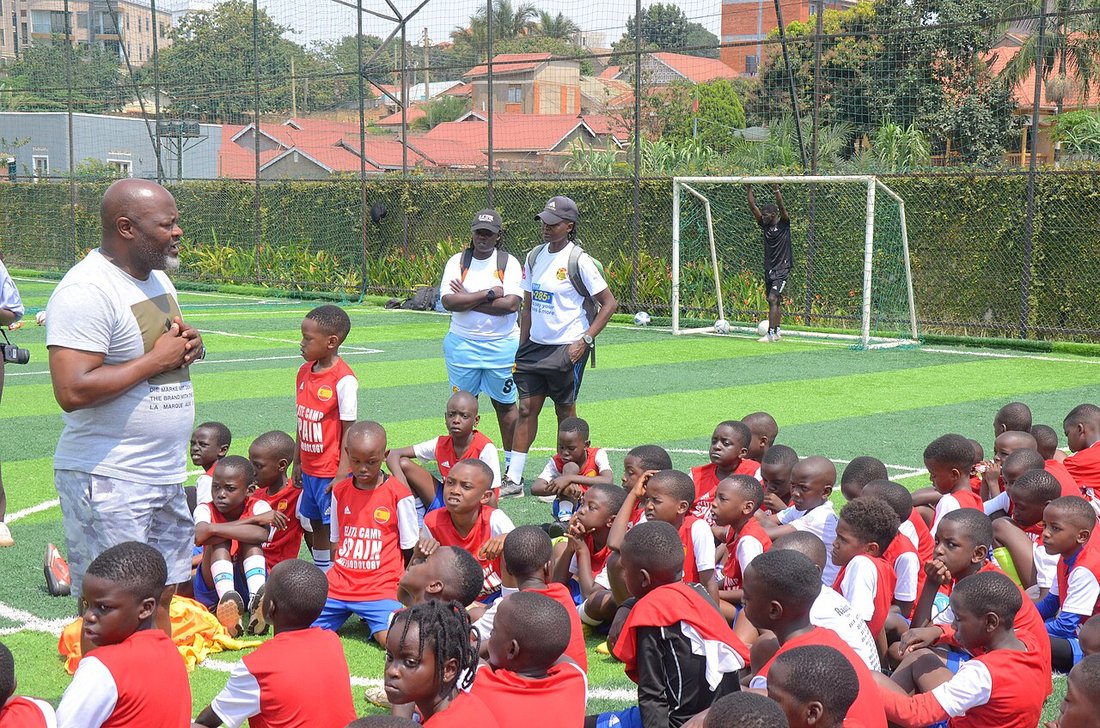
Soccer is the most played sport on the planet. FIFA estimates that around 265 million people play organised football around the world, and millions more kick a ball around in parks, schoolyards and back gardens every week. Yet for a complete beginner, the first training session can feel overwhelming: the ball seems to have a mind of its own, everyone else looks faster, and the rules feel like a second language. The good news is that every good player started exactly where you are now, and the gap between a beginner and a confident player is smaller than it looks.
The fastest way to close that gap is not to play more full matches, but to practise the right soccer drills for beginners in short, focused sessions. Drills break the game into small, repeatable skills: a touch, a pass, a turn, a shot. Repeated a few hundred times, those movements become automatic, which frees your brain to think about the game instead of your feet. The U.S. Soccer Federation builds its grassroots coaching around exactly this idea, using small-sided games and simple technical exercises to help new players learn by doing. This guide gives you 15 beginner drills, grouped into dribbling, passing, shooting and first touch, with clear setup instructions, timings and the mistakes to avoid, plus a simple weekly plan you can follow on your own or with a friend.
Why Drills Matter for Beginners
In a full 11-a-side match, an average player touches the ball for less than three minutes across the whole 90 minutes. That is not much practice. In a 20-minute drill session, by contrast, you might touch the ball 300 times. That difference is why coaches say skills are built in training and revealed in matches. A drill isolates one movement, repeats it until it feels natural, and then adds a small challenge, such as a defender, a time limit or a smaller space, so the skill survives under pressure.
Drills also build confidence, which matters as much as technique. A beginner who has practised a simple turn 50 times in the garden will try it in a match; a beginner who has never tried it will panic and hoof the ball away. Confidence grows from small wins: your first clean pass, your first juggle of five touches, your first goal from a drill you practised all week. Keep sessions short and positive. Three 30-minute sessions a week will improve a beginner far faster than one exhausting two-hour session, because the brain consolidates motor skills between sessions, especially during sleep.
Before You Start: What You Need
You do not need much equipment to start. A ball, a flat patch of grass or a hard court, and a few cones or any markers you have at home, such as water bottles or jumpers, will do. Use the right ball size: size 3 for children under 8, size 4 for ages 8 to 12, and size 5 for ages 13 and above. Wear shoes with grip, bring water, and always warm up for about 10 minutes before drills. A good warm-up is five minutes of light jogging and five minutes of dynamic stretches, such as leg swings and high knees, followed by a few minutes of gentle passing. Avoid static stretching before you play; save that for afterwards.
- A soccer ball in the right size for your age group.
- Six to ten cones or household markers, spaced about a metre apart.
- A flat space of roughly 10 by 10 metres, or a small garden.
- Water and shoes with grip, such as trainers or boots.
- A partner or a wall, for passing drills, though most drills work solo.
Dribbling Drills
Dribbling is the foundation of everything else in soccer. If you can keep the ball close while you move, you buy yourself time to look up, pick a pass or beat a defender. The key principle for beginners is small touches: keep the ball within a step of your foot, use the inside and outside of both feet, and keep your head up as much as you can. Speed comes later; control comes first.
1. Cone Weave
Place six cones in a straight line, about a metre apart. Dribble through them using the inside of your right foot to go one way and the inside of your left foot to go the other, keeping the ball close and your touches small. Walk through it first, then jog, then try it at a faster pace. Do five runs, rest for 30 seconds between runs, and count how many cones you touch; aim for zero. This is the single best drill for learning to change direction with the ball, and it works for every age and level.
2. Inside-Outside Touches
Stand in one spot and tap the ball back and forth between your feet, using the inside of each foot, for 30 seconds. Then switch to using the outside of each foot for 30 seconds. Keep the ball still rather than letting it roll away, and keep your knees slightly bent. Do three sets of each. This drill looks too simple to matter, but it builds the soft touch and fast feet that every other dribbling skill depends on, and you can do it in a space no bigger than a doormat.
3. Sole Rolls
Place the sole of your right foot on top of the ball and roll it slowly to the right, then drag it back with the sole of your left foot. Roll it forwards and backwards the same way. Do 30 seconds with each foot, three times. Sole rolls teach you to feel the ball without looking down, which is the first step towards playing with your head up. Once it feels easy, roll the ball in a small circle, alternating feet each quarter-turn.
4. Gate Dribbling
Set up four pairs of cones as gates, each about two metres wide, scattered around a 10 by 10 metre square. Dribble through as many gates as you can in 60 seconds, turning sharply after each one, and try to beat your score each round. If you have a partner, take turns and make it a competition, or have your partner act as a gentle defender who tries to touch the ball. Gate dribbling teaches you to scan the space ahead, choose a direction and change pace, which is exactly what dribbling looks like in a real match.
5. Figure of Eight
Place two cones about three metres apart and dribble around them in a figure of eight, using the outside of your foot on the turns. Do five laps clockwise, then five laps anti-clockwise, keeping the ball close throughout. This drill forces you to turn both ways and to use both feet, which stops beginners from becoming one-footed. It also improves balance, because turning tightly with the ball requires you to lean into the turn and keep your weight over your feet.
Passing Drills
Passing is the skill that connects a team. A player who can pass accurately with both feet is useful in every position, and passing is also the easiest skill for a beginner to improve quickly, because a good pass is mostly about technique rather than athleticism. The fundamentals are simple: plant your non-kicking foot beside the ball, point it towards your target, lock your ankle, strike the middle of the ball with the inside of your foot, and follow through towards the target.
6. Wall Pass
Stand two metres from a wall and pass the ball against it with the inside of your foot, controlling the rebound with your first touch before passing again. Start with your right foot for one minute, then your left foot for one minute, and try to keep a steady rhythm without the ball getting away from you. Do three sets. The wall is the perfect training partner: it never gets tired, it returns the ball at the same pace you pass it, and it immediately shows you whether your pass was accurate. As you improve, stand further away and pass harder.
7. Two-Touch Passing
With a partner five metres away, pass the ball back and forth, taking exactly two touches each time: one touch to control, one touch to pass. Count your consecutive passes without a mistake and try to reach 20, then 30, then 50. The two-touch rule forces you to control the ball into a good position before you pass, which is the habit that separates tidy players from rushed ones. If you make a mistake, start the count again; the pressure of keeping a streak going is excellent preparation for match conditions.
8. Triangle Passing
Three players stand in a triangle about five metres apart, or one player can use two cones as targets and pass to a spot. Pass the ball around the triangle in one direction, always with two touches, then reverse the direction. The drill teaches you to receive on the half-turn, opening your body to face the next pass before the ball arrives. Do three minutes in each direction. Even if you only have two people, you can practise a version of this by passing to a cone and moving to receive the return.
9. Long Pass and Control
Stand 15 metres from your partner and take turns hitting longer passes along the ground, striking the ball with the laces for power and accuracy. The receiver controls the ball with the inside of the foot, cushioning it rather than letting it bounce away, then passes it back. Do 10 passes each. This drill builds the weight of pass, the judgement of distance that beginners often lack, and the habit of cushioning a fast ball with a soft first touch instead of sticking a stiff leg out.
Shooting Drills
Shooting is the most enjoyable part of training for most beginners, and it is also the part where bad habits form fastest. The secret of a good shot is not power but placement and technique: a well-placed shot into the corner beats a wild blast over the bar every time. Practise shooting only after your legs are warm, start close to the goal, and focus on hitting the target before you worry about power.
10. Instep Drive
Place the ball 10 metres from the goal, take two steps back, and strike the ball with the laces of your boot, keeping your ankle locked and your body over the ball. Aim for a corner and take 10 shots, then count how many were on target. Keep your head down and watch the ball as you strike it; lifting your head early is the most common reason beginners miss. As you improve, move back to 15 metres and add a moving ball by rolling it gently forward before you shoot.
11. Placement Finishing
Set up two small targets, such as cones or bottles, inside each bottom corner of the goal, and practise side-footing the ball into the corners from 8 metres away. Use the inside of your foot, keep the shot low, and take 10 shots at each corner. The drill teaches you that a calm, placed finish is more effective than a powerful one, and it is the drill professional strikers still practise every week. Aim to hit the target with at least 8 out of 10 shots before you add power.
12. First-Time Finish
Have a partner roll or pass the ball gently towards you from the side, and shoot first time without taking a touch. Start with slow passes from six metres out, and only speed them up when you are hitting the target regularly. First-time finishing teaches you to read the ball early, set your body quickly and strike cleanly, which is exactly what happens in a match when a cross arrives and there is no time to control it first. Do 10 shots, rest, and repeat for three sets.
First Touch and Control
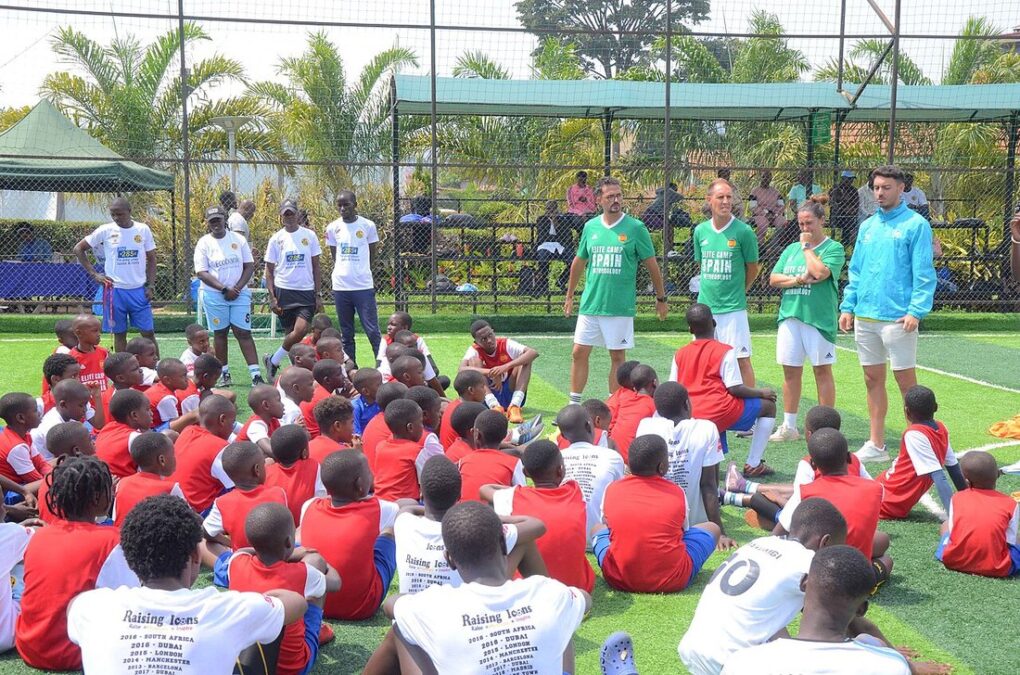
A good first touch is what separates players who look comfortable on the ball from players who chase it. The aim is to bring the ball under control and into space in a single movement, so your second touch can be a pass, a dribble or a shot. The principle is always the same: meet the ball with a soft, slightly withdrawn foot or thigh, so the ball loses its energy instead of bouncing away.
13. Juggling
Drop the ball onto your foot and try to keep it in the air using your feet, thighs and chest, catching it when it drops. Count your best run and try to beat it each session; most beginners start at two or three touches and reach 10 within a few weeks of short daily practice. Juggling builds the soft touch and the habit of watching the ball onto your foot, and it is one of the few drills you can do anywhere, even in a hallway. Keep your ankle loose and your touches small, tapping the ball just above knee height rather than kicking it high.
14. Thigh Trap and Settle
Throw the ball gently into the air and cushion it down with your thigh, letting the ball drop to your feet, then control it with one touch and pass it back. Do 10 repetitions with each thigh. This drill teaches you to handle high balls, which beginners often let bounce away from them, and it builds the coordination of using a larger surface to kill the ball’s pace. As you improve, have a partner throw the ball higher and from further away.
15. Turn and Go
Stand with your back to a cone 10 metres away, receive a pass from your partner, and turn with your first touch towards the cone before dribbling to it. Practise turning both ways: a drag-back with the sole of your foot, and an outside-of-the-foot turn. Do 10 turns each way. This is the most match-like of the control drills, because in a game you often receive the ball facing the wrong way and need to turn into space in one movement. The key is to check over your shoulder before the ball arrives so you know where the space is.
A Simple Weekly Practice Plan
Drills work best as part of a regular routine. Here is a plan that takes about 90 minutes a week across three sessions and covers every skill in this guide. Monday: 10 minutes warm-up, then the cone weave, sole rolls and gate dribbling for 20 minutes. Wednesday: 10 minutes warm-up, then wall passing, two-touch passing and placement finishing for 20 minutes. Saturday: play a small-sided game, such as 3-a-side or 5-a-side, for 30 minutes, and try to use at least one drill skill in the game, such as a turn or a two-touch pass. After four weeks, add a fourth session or increase the difficulty of each drill, for example by using your weaker foot more often.
Track your progress in a notebook or on your phone. Write down your best juggling run, your cone weave time, your two-touch passing streak and your shooting accuracy each week. Seeing the numbers improve is the best motivation there is, and it tells you which drills deserve more time. If one skill is stuck, spend an extra 10 minutes on it for two weeks before moving on; most plateaus break once you slow the drill down and rebuild it from the basics.
Common Mistakes Beginners Make
The most common mistake is trying to do everything at full speed. Beginners sprint into the cone weave, kick the ball too hard and lose control, then conclude they are bad at dribbling. Slow the drill down until you can do it cleanly, then add speed in small steps. The second mistake is looking at the ball constantly. It feels safer, but it means you never see your team-mates or the space. Practise lifting your head for one second after each touch; it will feel uncomfortable for a week and then become natural.
The third mistake is using only the stronger foot. Your weaker foot will always feel clumsy at first, but players who can pass and control with both feet are far more useful, so spend at least a third of every drill session on your weaker foot. The fourth mistake is skipping the warm-up and cooling down, which invites pulled muscles and sore knees. Finally, remember that soccer fitness is built gradually: short runs and small-sided games build match fitness better than occasional long runs, and our running plans for beginners can help you build a base of stamina alongside your technical work.
Frequently Asked Questions
How long should a beginner practise soccer each day?
Twenty to 30 minutes of focused drill practice, three or four times a week, is enough for a beginner to improve quickly. Short, regular sessions beat long, occasional ones because motor skills consolidate between sessions. Add one small-sided game a week when you can, and take at least one full rest day each week.
What is the easiest soccer drill for a complete beginner?
The wall pass is the easiest place to start: stand two metres from a wall, pass with the inside of your foot and control the rebound. It needs no partner, no cones and very little space, and it teaches passing and first touch at the same time. Inside-outside touches are a close second and can be done in a space no bigger than a doormat.
How can I improve my soccer skills at home?
Most of these drills work at home: juggling, sole rolls, inside-outside touches and wall passing need only a ball and a wall. Practise for 15 minutes a day, keep a simple record of your best scores, and use a garden or a quiet street for cone dribbling when you have more space. A size 4 or size 5 ball and a pair of trainers are all the equipment you need.
What age should children start soccer drills?
Children can start simple ball games from age 4 or 5, using a size 3 ball, but structured drills work best from about age 7 or 8, when coordination and attention span have developed. For young children, keep drills short, fun and game-like, with plenty of variety and no more than 30 to 45 minutes per session. The aim at that age is enjoyment and a love of the ball, not technique.
Do I need a coach to learn soccer as a beginner?
No, you can make real progress on your own with the drills in this guide, especially dribbling, juggling and wall passing. A coach helps most with feedback on your technique, with game understanding and with keeping you accountable, so joining a local beginners group or a casual 5-a-side team after a few weeks of solo practice is a great next step.
Conclusion
Soccer drills for beginners work because they turn a complicated game into small, learnable pieces. Start with the cone weave, the wall pass and juggling, practise for 20 to 30 minutes three times a week, and follow the weekly plan in this guide. Within a month you will notice the difference: the ball stays closer, your passes find their target, and you start to look up and see the game instead of staring at your feet. Pick one drill from this list, go outside today, and start with five minutes. The first touch is the hardest part; after that, the habit takes over.
