

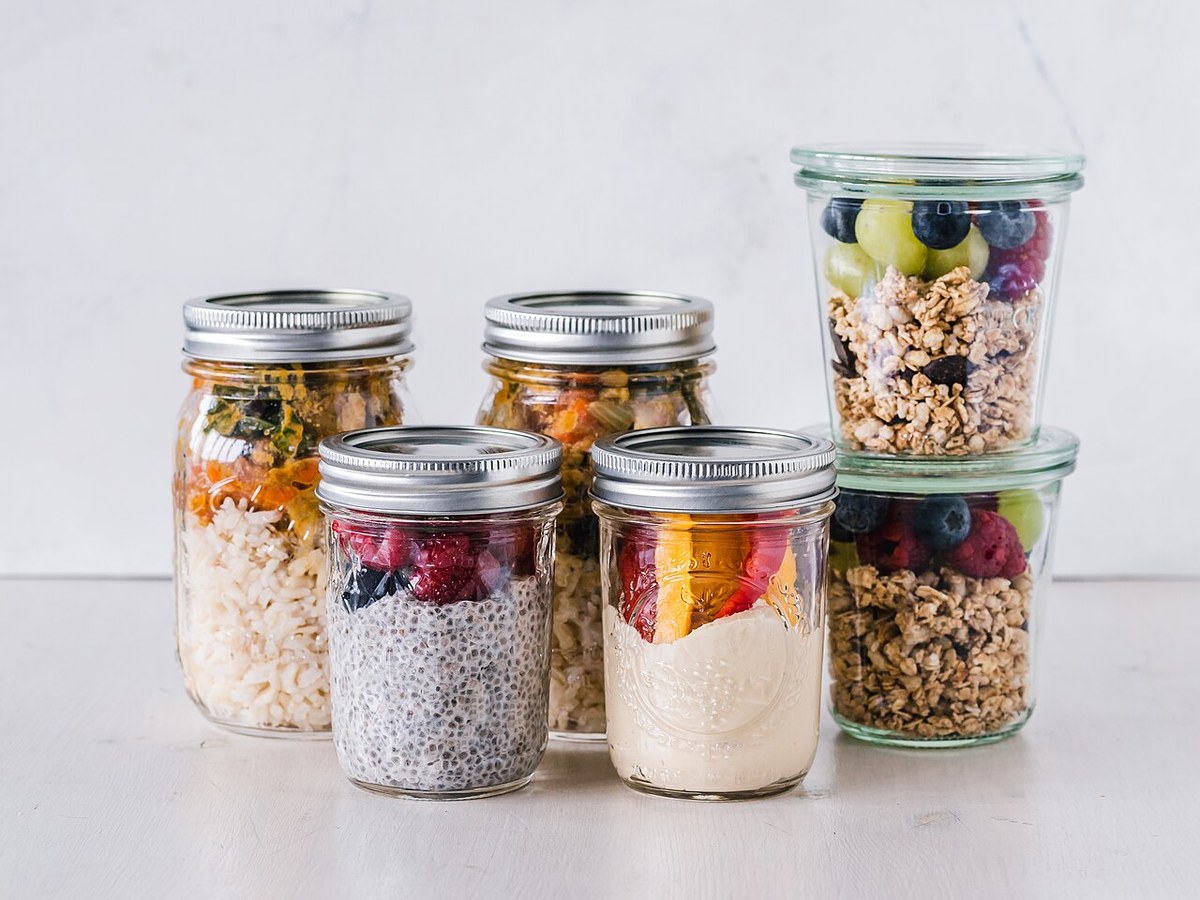
If most evenings end with the same tired question — “what’s for dinner?” — followed by ten minutes of staring into the fridge, these meal planning ideas are for you. Meal planning simply means deciding what you’ll eat for the week ahead, writing it down, and shopping once for everything you need. It sounds almost too simple to matter, but it’s one of the highest-impact habits a busy household can adopt: less money wasted, fewer last-minute takeaways, and weeknights that practically run themselves. Dietitians at the Academy of Nutrition and Dietetics share practical strategies for successful meal planning — like shopping with a list and keeping a well-stocked pantry — and the ideas in this guide are built on those same principles.
Start with the numbers, because they’re hard to argue with. UK households throw away around 6.6 million tonnes of food every year, and about 4.5 million tonnes of that was still perfectly edible — worth roughly £14 billion in total, or around £1,000 a year for a family of four, according to the food-waste charity WRAP. A weekly plan attacks that waste directly: you buy what you’ll actually cook, and you cook what you bought. Most people find the planning itself takes 30 to 45 minutes — less time than a single midweek supermarket run — and it pays for itself many times over.
Why meal planning actually works
It’s worth understanding the mechanics, because meal planning isn’t really about food — it’s about decisions. The average adult makes over 200 food-related decisions a day, a widely cited figure from Cornell food researcher Brian Wansink’s work. By the time dinner rolls around, your decision-making is spent, which is exactly when the takeaway app looks most appealing. A plan moves those decisions to a moment when you’re calm, fed, and thinking clearly — usually Sunday morning with a coffee, not Tuesday at 6:47pm with a rumbling stomach.
Your money stays in your pocket
The savings come from three places. First, you stop buying duplicates of things already hiding in the cupboard. Second, a written list cuts impulse purchases — the snacks and “bargains” that inflate a £60 shop to £90. Third, planned leftovers become planned lunches, which is where the real money hides: a homemade lunch costs roughly £1.50 to £2.50 in ingredients, while a bought sandwich-and-drink deal runs £4 to £6. Over a working year, the difference comfortably tops a thousand pounds.
Your evenings get calmer
There’s a quieter benefit that’s harder to put a number on. When dinner is already decided — and half the chopping is done — the 5pm-to-7pm stretch stops being a daily crisis. Parents consistently say the after-school “witching hour” gets easier once the food question is answered in advance. You’ll also make fewer emergency supermarket trips, which are the ones where you always spend £30 on things you didn’t go in for.
Your nutrition improves almost by accident
Nobody meal-plans their way into eating worse. When you plan, vegetables get a slot on the list instead of being an afterthought; whole grains and beans show up because they’re cheap, filling, and easy to batch-cook. You don’t need a perfect diet — you just need a plan that makes the better choice the default one.
Start with a 15-minute kitchen audit
Before you plan a single meal, shop your own kitchen. Pull everything out of the fridge, freezer, and one cupboard shelf, and write down what needs using: the half-bag of lentils, the tin of coconut milk bought for a recipe you never made, the chicken thighs with two days left on the date. Build your first week’s plan around those ingredients. This one habit — planning from what you have, not from a blank page — is the difference between a plan that saves money and a shopping list that just spends it. Keep a running “use first” shelf in the fridge for anything opened or close to its date; it’s the simplest food-waste fix there is.
Pick a planning style that fits your life
The best meal plan is the one you’ll actually follow past week two. There are three proven formats — pick the one that matches your personality, not the one that looks most impressive on paper.
1. Theme nights
Assign each night a loose theme: Meat-Free Monday, Taco Tuesday, Stir-Fry Wednesday, Soup Thursday, Pizza Friday. The theme narrows thousands of possible meals down to a handful, which makes choosing fast — but it stays flexible. “Taco Tuesday” can be fish tacos, bean tacos, or a taco salad depending on what’s in the fridge. Families love this format because even kids can remember the rhythm, and it makes the weekly shop wonderfully predictable.
2. The 3-2-1 method
Each week, plan three familiar favourites everyone already likes, two new recipes to keep things interesting, and one flexible night for leftovers, eggs on toast, or whatever’s left. The ratio matters: too many new recipes and the week feels like a cooking exam; too few and you get bored and order in. Three-two-one keeps the workload realistic while still leaving room for discovery.
3. Batch and rotate
Cook two big-batch meals on Sunday — say, a chilli and a tray of roasted vegetables with grains — and rotate them through the first half of the week, then cook fresh for the second half. This is the lowest-effort format and the best fit for people who genuinely dislike cooking. Variety comes from toppings and sauces rather than entirely different meals: the same chilli becomes burrito bowls, loaded jacket potatoes, or nachos across different days.
A sample 7-day plan to steal
Theory is nice; here’s what a real week looks like. This plan feeds two adults generously, scales easily, and reuses ingredients so nothing is bought for a single meal. Breakfasts rotate between overnight oats, Greek yoghurt with fruit and honey, and eggs on toast. Lunches are leftovers or soup-and-sandwich — no separate lunch cooking required.
- Monday: Lentil bolognese with wholewheat spaghetti. Double the sauce; half goes straight into the freezer for a future week.
- Tuesday: Chicken and vegetable stir-fry with brown rice — 20 minutes, one wok.
- Wednesday: Baked sweet potatoes stuffed with black beans, corn, and cheese.
- Thursday: Salmon traybake with broccoli and new potatoes. One pan, 25 minutes, minimal washing up.
- Friday: Homemade pizza night with a simple dough and whatever vegetables need using up.
- Saturday: Slow-cooker chicken curry with basmati rice. Start it at lunchtime and ignore it all afternoon.
- Sunday: Roast chicken dinner; the carcass becomes stock and the base of next week’s soup.
Notice the pattern: one batch-cook, one slow-cooker day, one traybake, one fun night. No day demands more than about 30 minutes of active cooking, and Wednesday’s sweet potatoes use the black beans bought for Friday’s pizza toppings. That’s the whole trick — ingredients that appear twice.
The 90-minute Sunday prep session
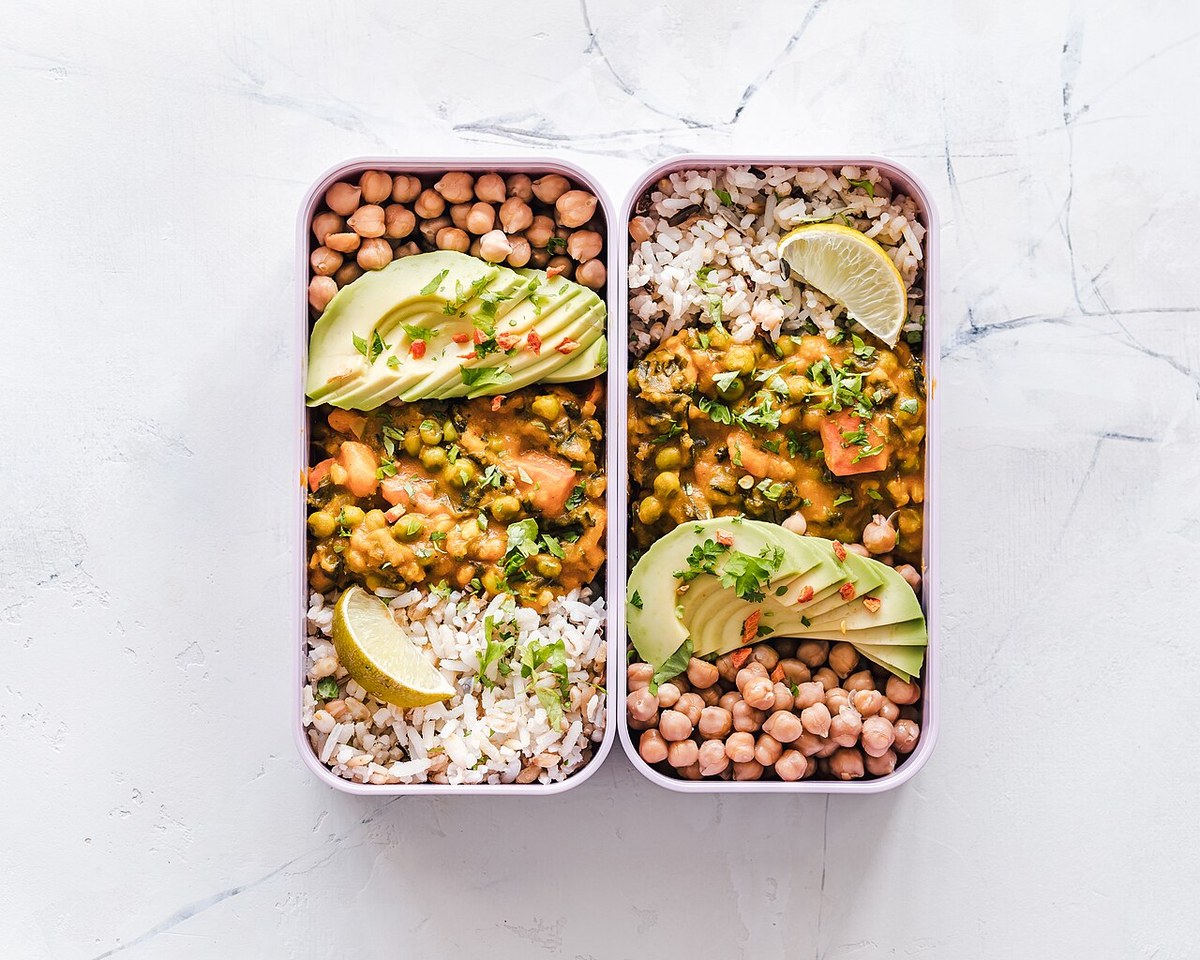
You don’t need to cook every meal in advance — that way lies burnout and a fridge full of identical grey containers. Instead, prep components: wash and chop the week’s vegetables, cook a big pot of rice or grains, roast a tray of mixed veg, make one versatile sauce (a tomato sauce, a peanut dressing, or a simple vinaigrette), and portion out snacks like hummus and cut veg. Ninety focused minutes turns every weeknight meal into a 15-minute assembly job.
A quick word on safety, because it matters: cooked rice, meat, and leftovers keep for 3 to 4 days in a fridge kept at 5°C or below — so Sunday’s prep covers you through Wednesday or Thursday, not the whole week. Cool leftovers within two hours of cooking, freeze anything you won’t eat in time (most cooked meals freeze well for up to three months), and reheat food until it’s steaming all the way through. When in doubt, the UK Food Standards Agency’s published guidance is the authority to follow.
Shop smart: the list is the plan
Write your shopping list directly from the meal plan, grouped by section of the shop — produce, dairy, meat and fish, pantry, frozen. It sounds fussy, but it stops the zigzagging that leads to impulse buys, and it makes the trip genuinely faster. Two more rules pay for themselves: never shop hungry, when everything high-calorie looks essential, and check the unit price on the shelf edge rather than the headline price — the “bargain” family pack isn’t always cheaper per 100g.
Stocking up gets easier when you know what a balanced plate looks like. If you’re unsure about proportions — how much of the plate should be vegetables, protein, or whole grains — our guide to a balanced diet breaks it down into simple, practical rules you can apply to any meal you plan.
One more underrated move: make friends with the freezer aisle. Frozen vegetables are picked and frozen within hours, so nutritionally they stand toe-to-toe with fresh — sometimes ahead of it, since “fresh” veg can spend days in transit and on shelves. They’re pre-chopped, they never go off before you use them, and they’re usually cheaper. Peas, spinach, berries, and mixed peppers are the workhorses of a good meal plan.
Five mistakes that sink most meal plans
- Planning seven brand-new recipes. Cook a maximum of two new dishes a week. Everything else should be a meal you could make half-asleep — this is about feeding yourself reliably, not auditioning for a cooking show.
- Ignoring your actual calendar. Don’t plan a from-scratch curry for the night you have parents’ evening. Match effort to energy: slow-cooker or traybake on late nights, the ambitious recipe on the quiet evening.
- No backup meal. Keep the ingredients for one emergency dinner permanently in stock — pasta, tinned tomatoes, eggs, frozen peas. When the plan falls apart, the backup saves you from the takeaway app.
- Forgetting snacks and breakfasts. A plan that only covers dinners leaves the hungriest parts of the day to chance. Overnight oats, fruit, yoghurt, nuts — put them on the list.
- Treating the plan as law. Life happens. Swap days, skip a meal, eat the leftovers early. A rigid plan you abandon in week three helps nobody; a loose plan you keep for a year changes everything.
Frequently asked questions
How much time does meal planning take each week?
About 30 to 45 minutes to plan the meals and write the list, plus 60 to 90 minutes of prep if you batch-cook components on Sunday. Most people get that time back several times over — in eliminated daily deliberation, fewer shopping trips, and faster weeknight cooking.
Is meal planning actually cheaper than eating out?
Yes, by a wide margin. A home-cooked dinner typically costs £1.50 to £3 per portion in ingredients; a takeaway runs £8 to £15 per person. Even replacing two takeaways a week with planned meals saves a household roughly £60 to £100 a month — before you count the reduced food waste.
How long does meal-prepped food last in the fridge?
Cooked meat, rice, and most leftovers keep for 3 to 4 days at 5°C or below. That means a Sunday prep session realistically covers Monday to Thursday; cook fresh or defrost freezer portions for the weekend. Label containers with the date so there’s never any guessing.
Can I meal plan for one person?
Absolutely — just scale recipes down or embrace the freezer. Cook a full batch, eat one portion, and freeze the rest in single servings. Future-you gets homemade ready meals for weeks, and the cost per portion drops to almost nothing.
What if I hate eating the same meal twice?
Then don’t repeat meals — repeat ingredients. Prep components (grains, roasted vegetables, proteins, sauces) and combine them differently each day: the same chicken and rice becomes a burrito bowl on Monday, a stir-fry on Wednesday, and a soup on Friday. Same shopping, completely different dinners.
Your first week starts now
Don’t try to implement everything here at once — that’s how plans die by Tuesday. This week, just do three things: audit your kitchen, plan dinners for the next seven days using one of the three formats above, and write the shopping list from the plan. That’s it. Next week, add the prep session. The week after, refine. Small and repeatable beats ambitious and abandoned every time.
Pick one idea from this guide and try it this Sunday — then come back and tell us in the comments which planning style stuck. And if this helped, share it with the person in your life who still asks “what’s for dinner?” every single night.
This article is for general information only and is not medical advice — talk to a healthcare professional for personal guidance.
