

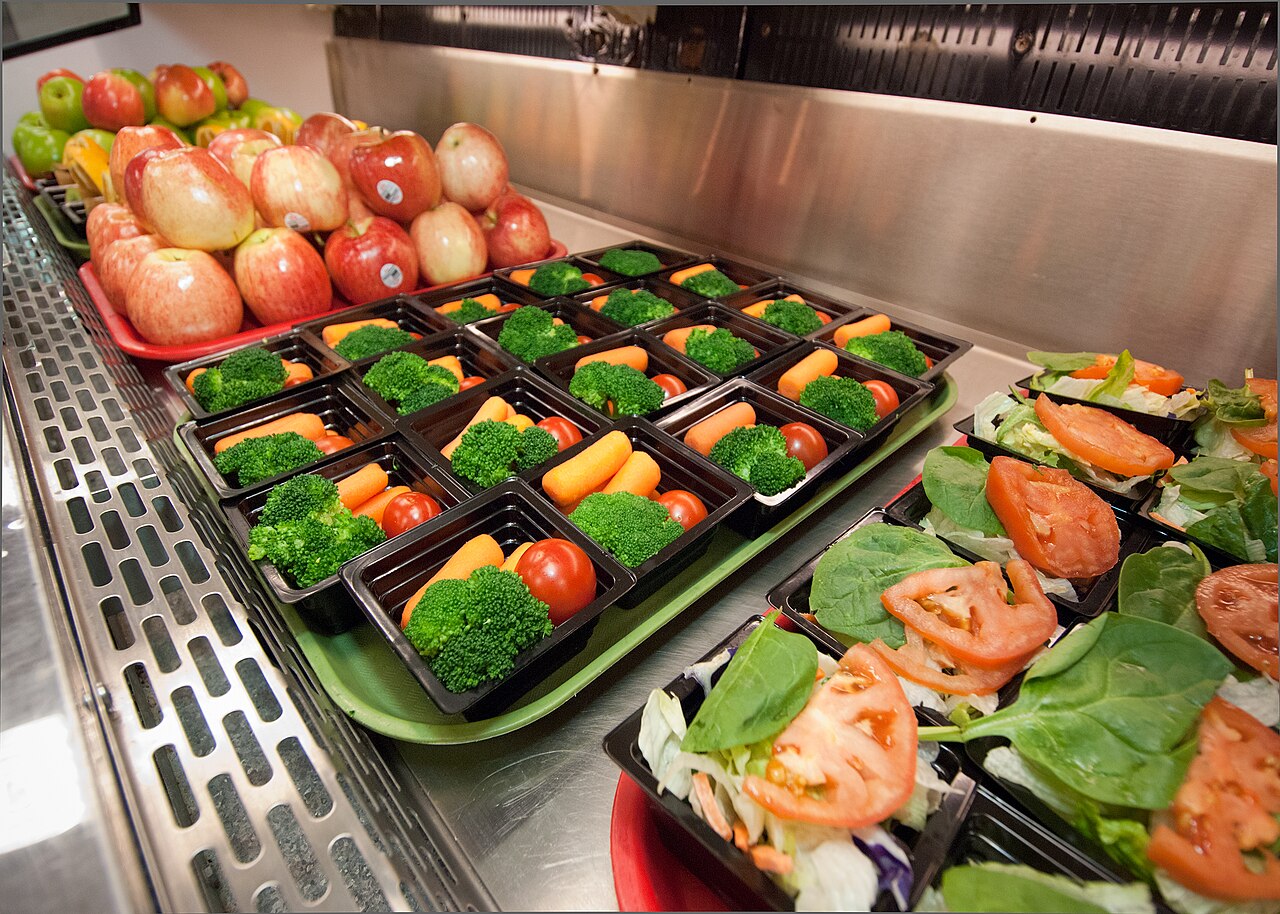
What is a balanced diet? At its simplest, a balanced diet is a way of eating that gives your body the right mix of energy and nutrients through a wide variety of foods, eaten in sensible amounts most of the time. It is not a short-term plan, a set of rigid rules, or a list of forbidden foods. Instead, it is a flexible, sustainable pattern of eating built around whole and minimally processed foods, reasonable portions, and plenty of variety from one day to the next.
Why does balance matter so much? Each food group delivers a different set of nutrients. Fruits and vegetables supply fiber, vitamins, and plant compounds; starchy foods provide steady energy; protein foods support muscles, bones, and repair; and dairy foods or fortified alternatives contribute calcium and other minerals. When an entire group is missing, your body misses out on what that group provides. Health authorities around the world give consistent advice on this point. The UK’s NHS Eatwell Guide offers a simple visual model showing how the different food groups should fit together across your day.
The Core Food Groups of a Balanced Diet
Think of a balanced diet as a team effort. No single food has everything your body needs, but together the food groups cover all the bases. Here is what each group brings to the table.
Fruits and Vegetables
Fruits and vegetables should make up a generous share of what you eat, roughly a third of your overall intake. Aim for at least five portions a day, mixing colors and types: leafy greens, berries, citrus fruits, carrots, peppers, beans, and more. Fresh, frozen, and canned varieties all count, and frozen produce is picked and frozen at peak ripeness, so it keeps its nutrients well. A portion is about 80 grams, roughly a handful. These foods are rich in fiber, vitamin C, potassium, and folate, and their high water content helps you feel full on relatively few calories.
Starchy Carbohydrates
Starchy foods are your body’s main source of energy. Bread, rice, pasta, potatoes, oats, and breakfast cereals belong here, and wholegrain versions are the best choice because they keep their fiber, B vitamins, and minerals. Fiber slows digestion, steadies your energy, and supports a healthy gut. A good rule is to make starchy foods about a third of your meals and to choose wholegrain options whenever you can, such as brown rice, wholemeal bread, and porridge oats.
Protein Foods
Protein foods build and repair muscles, skin, and bones, and they help meals keep you satisfied for longer. This group includes beans, lentils, chickpeas, nuts, seeds, tofu, fish, eggs, and lean meats. Aim to eat a variety across the week rather than relying on a single source. Plant proteins such as lentils and beans add fiber as well, while oily fish like salmon and sardines also provide omega-3 fats. A palm-sized portion at main meals is a practical guide for most adults.
Dairy and Alternatives
Milk, yogurt, and cheese supply calcium, protein, and B vitamins that support bones and teeth. If you avoid dairy, choose unsweetened fortified alternatives, such as soy or oat drinks with added calcium and vitamin D, so you do not miss out on these nutrients. Lower-fat and lower-sugar options, like plain yogurt instead of flavored varieties, keep this group working in your favor.
Healthy Fats
Fats are essential, but the type matters. Unsaturated fats, found in olive oil, rapeseed oil, avocados, nuts, seeds, and oily fish, support heart health when they replace saturated fats. Keep foods high in saturated fat, such as butter, fatty meats, pastries, and hard cheese, to smaller amounts. You do not need to fear fat; you need to choose it wisely and use modest amounts in cooking and dressings.
Foods to Enjoy Less Often
Foods and drinks high in saturated fat, salt, and added sugars, such as cakes, biscuits, chocolate, crisps, and sugary drinks, can be part of life, but they work best as occasional treats rather than everyday staples. They add calories without adding much nutrition, and sugary drinks in particular make it easy to consume a lot of sugar without feeling full. Water, lower-fat milk, and unsweetened tea or coffee are the everyday drinks of a balanced diet.

How Much Should You Eat? A Simple Guide to Portions
You do not need scales or calorie-counting apps to eat balanced portions. The plate method is one of the simplest tools available: fill roughly half your plate with vegetables and salad, a quarter with protein foods, and a quarter with wholegrain or starchy foods, then add a small amount of healthy fat, such as a drizzle of olive oil or a sprinkle of seeds. For foods that do not fit neatly on a plate, your hands are a handy guide: a fist for vegetables, a cupped hand for starchy foods, a palm for protein, and a thumb for fats.
Eating slowly, serving smaller amounts to start, and pausing before taking seconds all help you notice fullness before you overeat. Remember that needs differ: active people, teenagers, and older adults all have different energy requirements, so treat these guides as starting points and adjust to your appetite and lifestyle. Getting portions right is one of the most practical parts of understanding what is a balanced diet in everyday life.
What a Balanced Day of Eating Looks Like
Here is a sample day that puts the principles above into practice. It is an example, not a prescription, so adapt it to the foods you enjoy and what is available to you.
Breakfast: Porridge made with milk or a fortified alternative, topped with mixed berries and a spoonful of chopped nuts. A glass of water or unsweetened tea on the side.
Mid-morning snack: An apple and a small handful of unsalted almonds.
Lunch: A wholemeal wrap filled with grilled chicken or chickpeas, plenty of salad leaves, grated carrot, and cucumber, plus a piece of fruit.
Afternoon snack: Plain yogurt with a drizzle of honey, or vegetable sticks with hummus.
Dinner: Baked salmon with brown rice and a large serving of steamed broccoli, carrots, and green beans, finished with a squeeze of lemon and a teaspoon of olive oil.
Evening: If hungry, a small bowl of fruit or a warm milky drink.
Notice the pattern: vegetables or fruit at every eating occasion, wholegrains, a protein source, and modest amounts of healthy fat. No food is banned, and the day includes foods most people genuinely enjoy.
10 Practical Tips for Eating a Balanced Diet
- Build your plate with the plate method. Half vegetables, a quarter protein, a quarter wholegrains.
- Eat the rainbow. Different colors signal different nutrients, so vary your fruit and vegetables.
- Choose wholegrain by default. Swap white bread, rice, and pasta for wholegrain versions.
- Plan a few meals ahead. A short weekly plan cuts down on last-minute unhealthy choices.
- Keep healthy snacks visible. Fruit in a bowl and nuts in a jar beat snacks hidden at the back of the cupboard.
- Read labels briefly. Compare sugar, salt, and saturated fat per 100 grams when choosing packaged foods.
- Drink mainly water. Sugary drinks are one of the easiest sources of excess sugar to cut.
- Cook more often. Home cooking gives you control over salt, sugar, and fat.
- Go easy on salt. Flavor food with herbs, spices, lemon, and garlic instead.
- Be consistent, not perfect. One indulgent meal does not undo a balanced week; just return to your pattern.
Common Myths About Balanced Eating
Myth: A balanced diet means giving up your favorite foods. Reality: balance is about overall patterns, not perfection. Treats fit fine in small amounts and on occasion.
Myth: Carbs are the enemy. Reality: starchy foods are a core energy source. The key is choosing wholegrain versions and sensible portions, not avoiding the group.
Myth: Healthy eating is expensive. Reality: staples like oats, rice, beans, lentils, frozen vegetables, and seasonal fruit are among the cheapest foods in the store.
Myth: You need expensive superfoods. Reality: ordinary foods, from apples to cabbage to tinned sardines, deliver excellent nutrition at a fraction of the price.
Frequently Asked Questions
Can a balanced diet include treats?
Yes. A balanced diet describes your overall eating pattern, not every single bite. Small portions of cakes, chocolate, or takeaway food fit perfectly well when the foundation of your diet is built on the food groups above. The problems start only when treats crowd out nutritious foods on a regular basis.
Is a balanced diet the same as a diet for weight loss?
Not exactly. A balanced diet is about nourishing your body well, while weight loss specifically requires consuming less energy than you use. That said, balanced eating naturally supports a healthy weight for many people, because fiber-rich, minimally processed foods are satisfying and make overeating less likely.
Do I need supplements on a balanced diet?
Most people can get what they need from food, but there are exceptions. For example, health authorities in the UK advise everyone to consider a daily vitamin D supplement in autumn and winter, when sunlight is limited. Vegans may need vitamin B12 from fortified foods or a supplement. If you are unsure, a pharmacist or dietitian can advise on your situation.
Can vegetarians and vegans eat a balanced diet?
Absolutely. Plant-based eaters simply build their protein group from beans, lentils, tofu, nuts, seeds, and meat alternatives, and choose fortified dairy alternatives for calcium and vitamin B12. With a little planning, vegetarian and vegan diets can be every bit as balanced as diets that include meat.
How quickly will I feel a difference?
Many people notice steadier energy and better digestion within a couple of weeks of eating more fiber-rich, balanced meals. Longer-term benefits, such as supporting heart health and a healthy weight, build up over months and years of consistent habits. Think of balanced eating as a long game with compounding rewards.
The Bottom Line
What is a balanced diet, in the end? It is simply a way of eating that covers all the food groups, in sensible portions, day after day, without strict rules or forbidden foods. Start where you are: add an extra vegetable to dinner, switch to wholegrain bread, or plan one balanced lunch this week. Small, steady changes beat dramatic overhauls every time.
Ready for an easy first step? Adding more fruit is one of the simplest upgrades you can make. Take a look at our guide to the lowest calorie fruits to find light, refreshing options that fit beautifully into a balanced plate. Once you understand what is a balanced diet, choices like this become second nature, so explore the rest of our Health section for more practical wellness guides.
Disclaimer: This article is for general wellness information only and is not medical advice. Please consult a qualified professional for personalized guidance.
