When you want something sweet but light, the lowest calorie fruits are hard to beat. They are naturally hydrating, full of color and flavor, and kind to your daily calorie budget, which makes them a smart pick for snacks, desserts, and everything in between.
In this guide you will find a ranked list of the lowest-calorie fruits with their approximate calories per 100 grams, plus simple explanations of why fruit calories vary, how fiber and water help you feel satisfied, and easy ways to enjoy more of these fruits every day.
The 10 Lowest Calorie Fruits, Ranked
The fruits below are ranked from fewest to most calories per 100 grams. Figures are approximate averages, and exact numbers can shift a little with ripeness, variety, and growing conditions. For precise values you can check the USDA FoodData Central database.
1. Watermelon — about 30 calories per 100g
Watermelon tops the list of the lowest calorie fruits, and it is easy to see why: it is around 92 percent water. That high water content means a generous bowl of juicy cubes costs you very few calories while helping you stay hydrated on warm days. It also provides vitamin C and the antioxidant lycopene that gives it that deep pink color. Enjoy it chilled, blended into a cooler, or tossed with mint and lime.
2. Strawberries — about 32 calories per 100g
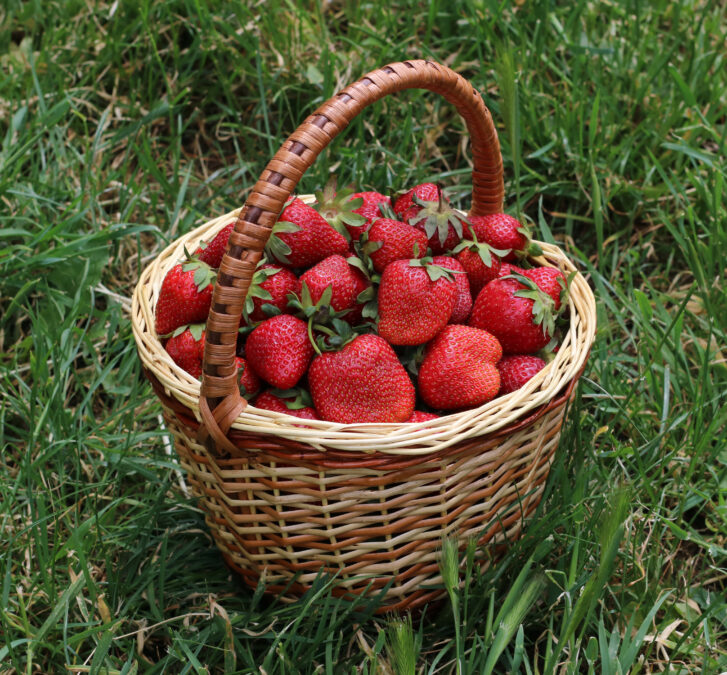
Strawberries are another standout among low-calorie fruits. A full cup of halved strawberries comes in at under 50 calories, yet it delivers more vitamin C than an orange. Their natural sweetness makes them a favorite for breakfast bowls, and they pair beautifully with yogurt or a small handful of nuts for a balanced snack.
3. Cantaloupe — about 34 calories per 100g
Cantaloupe, also known as rockmelon, is sweet, fragrant, and wonderfully light. Its soft orange flesh is rich in beta-carotene, which your body converts to vitamin A. Because it is so juicy, a little goes a long way toward satisfying a sweet craving. Try it in fruit salads, smoothies, or simply sliced as an afternoon snack.
4. Peaches — about 39 calories per 100g
Fresh peaches taste like summer in fruit form, and they are still firmly in low-calorie territory. Choose ripe, fragrant fruit and eat the skin for extra fiber. Peaches work well grilled, baked with a little cinnamon, or sliced over porridge for a naturally sweet breakfast.
5. Grapefruit — about 42 calories per 100g
Grapefruit brings a bright, tangy flavor that wakes up the palate. Half a grapefruit makes a refreshing start to the day and provides a solid dose of vitamin C. Do note that grapefruit can interact with certain prescription medicines, so check the label or ask your pharmacist if this applies to you.
6. Papaya — about 43 calories per 100g
Papaya is a tropical fruit with silky, sunset-orange flesh and a gentle sweetness. It is a good source of vitamin C and folate, and its soft texture makes it easy to scoop straight from the skin with a spoon. A squeeze of lime takes it to another level.
7. Pineapple — about 50 calories per 100g
Pineapple delivers bold tropical flavor along with vitamin C and manganese. Fresh pineapple is far lighter than the syrupy canned versions, so choose fresh or canned in juice when you can. It is lovely in salsas, stir-fries, and grilled as a warm dessert.
8. Apples — about 52 calories per 100g
Apples are the classic portable snack, and they remain one of the most practical low-calorie fruits. Their combination of fiber and crunch means they take a while to eat, which helps you feel satisfied. Keep the skin on for the most fiber, and pair slices with peanut butter for staying power.
9. Raspberries — about 52 calories per 100g
Raspberries pack an impressive amount of fiber into very few calories, roughly six to seven grams per 100 grams, which is one reason they are so satisfying. Their tart-sweet flavor lifts yogurt, oatmeal, and salads alike. Buy them in season for the best price and flavor.
10. Blueberries — about 57 calories per 100g
Blueberries round out our list. They are tiny but mighty, supplying vitamin C, vitamin K, and plant compounds called anthocyanins that give them their blue hue. Scatter them over cereal, blend them into smoothies, or eat them by the handful straight from the punnet.
Why Do Fruit Calories Vary So Much?
The biggest factor is water. Fruits like watermelon and strawberries are more than 90 percent water, so a 100-gram serving contains relatively little actual fruit matter. Denser fruits such as bananas and grapes contain less water and more natural sugars, which is why their calorie counts run higher.
Sugar type and fiber content play smaller roles. All whole fruits contain natural sugars, mainly fructose and glucose, along with fiber, vitamins, minerals, and water. Dried fruits are the outlier: with the water removed, their sugars and calories become concentrated, so a small handful can carry as many calories as several pieces of fresh fruit.
Fiber, Water, and Feeling Full
Calories only tell part of the story. The lowest calorie fruits also tend to be high in water and fiber, and that combination helps you feel satisfied after eating. Fiber slows digestion, while water adds volume without adding calories, so a bowl of berries can feel far more filling than its calorie count suggests.
This is one reason whole fruit is generally a better choice than fruit juice. Juicing strips away most of the fiber while keeping the sugar, so a glass of orange juice can contain the sugar of three or four oranges without the same sense of fullness. If you love juice, try blending whole fruit into a smoothie instead, keeping the fiber intact.
Portions and Natural Sugar: What to Keep in Mind
Even the lowest calorie fruits contain natural sugar, so portions still matter, especially if you are keeping an eye on your overall sugar intake. The good news is that whole fruit comes packaged with fiber and water, which most people find naturally self-limiting. It is quite hard to overeat fresh watermelon or berries.
A practical approach is to aim for variety and balance. Enjoy a couple of servings of fruit a day as part of meals and snacks, and pair fruit with protein or healthy fats, such as yogurt, nuts, or cheese, when you want a snack that keeps you going for longer.
Easy Ways to Add Low-Calorie Fruits to Your Day
Adding more of these fruits to your routine does not require a big overhaul. Start the day with berries or sliced peach over yogurt or porridge, keep a melon in the fridge for ready-to-eat snacks, and freeze grapes or pineapple chunks for a frosty treat.
For family shopping, our guide to healthy kid snacks has plenty of simple ideas that pair well with fresh fruit. You can also toss fruit into salads, blend it into smoothies, or finish dinner with a colorful fruit salad instead of a heavier dessert.
Frequently Asked Questions
Which fruit has the lowest calories?
Watermelon is one of the very lowest calorie fruits, at about 30 calories per 100 grams, thanks to its extremely high water content. Strawberries and cantaloupe are close behind at roughly 32 and 34 calories per 100 grams.
Are low-calorie fruits good for weight management?
Fruits that are low in calories and high in water and fiber can be a helpful part of an overall balanced eating pattern. They let you enjoy generous, satisfying portions while keeping energy intake modest. Lasting results come from your whole diet and lifestyle, not any single food.
Do the lowest calorie fruits contain less sugar?
Generally, yes. Fruits with the fewest calories per 100 grams also tend to contain less natural sugar, largely because so much of their weight is water. Dried fruits and fruit juices are the exceptions, since removing water or fiber concentrates the sugar.
Can I eat as much fruit as I want?
Whole fruit is nutritious, but balance still matters. Very large amounts can add up in sugar and calories and may crowd out other food groups. Most dietary guidelines suggest around two servings of fruit a day as part of a varied diet.
Is frozen fruit as good as fresh?
Yes. Fruit is usually frozen at peak ripeness, which locks in nutrients, and plain frozen fruit has a similar calorie count to fresh. It is also budget-friendly and reduces waste. Just check the label to make sure no sugar has been added.
The Bottom Line
The lowest calorie fruits prove that you do not have to choose between flavor and a light calorie load. From watermelon and strawberries to papaya and blueberries, these fruits offer sweetness, hydration, fiber, and valuable nutrients for very few calories per serving.
Start by adding one or two of them to your daily routine: berries at breakfast, melon as an afternoon snack, and build from there. Small, enjoyable changes are the ones that stick. If you found this guide useful, share it with someone who loves fruit as much as you do, and explore more healthy eating ideas on Tech Beacon.
Disclaimer: This article is for general wellness information only and is not medical advice. Please consult a healthcare professional or dietitian for personalized guidance.