

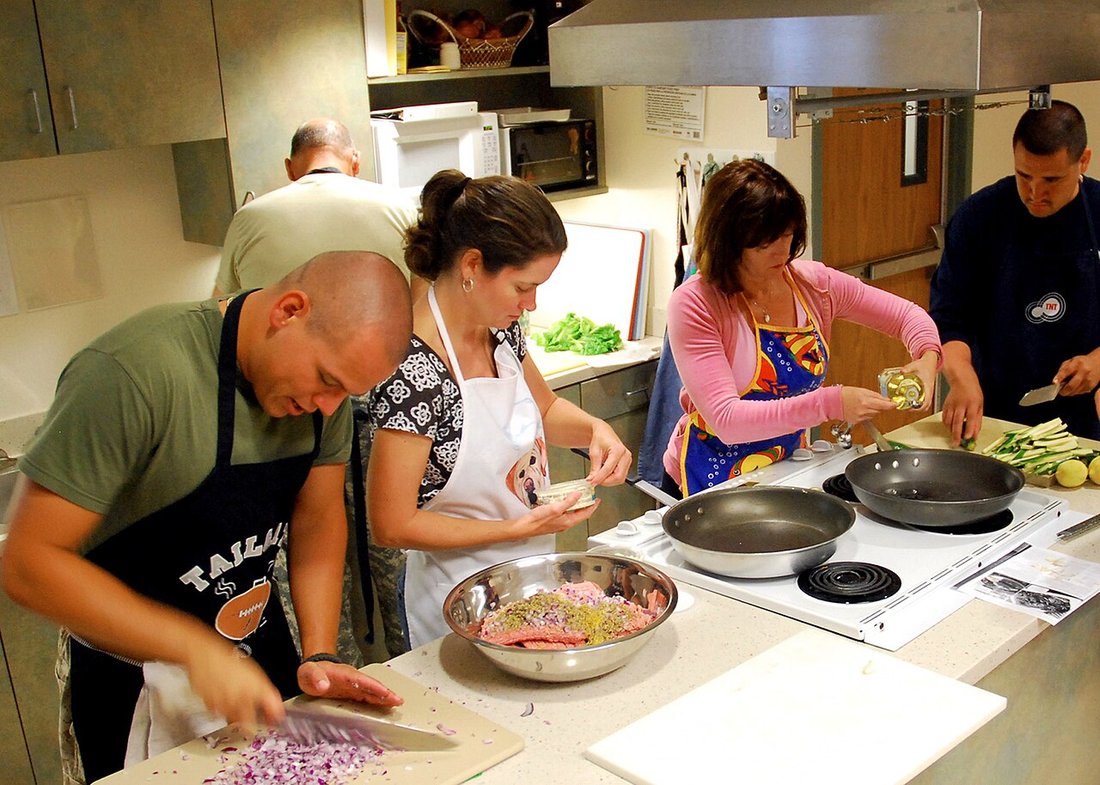
Healthy meal planning starts with a simple idea: decide what you will eat before hunger, a busy evening, or an empty fridge decides for you. When a week has a loose plan, shopping gets faster, cooking feels less rushed, and it is much easier to eat a varied diet without thinking hard about every meal. This guide shows how to build that kind of plan in about 30 minutes a week, using foods you already like and a few practical routines that survive real life.
It is not about cooking every meal from scratch, following a rigid diet, or buying expensive ingredients. The best plan is the one you will actually repeat. That usually means a handful of reliable breakfasts, lunches you can assemble quickly, and dinners built around a protein, a vegetable, and a filling carbohydrate. A useful visual guide is the Harvard T.H. Chan Nutrition Source Healthy Eating Plate, which shows roughly half the plate as vegetables and fruits, a quarter as whole grains, and a quarter as a healthy protein, with water as the main drink.
Before you plan, take stock for two minutes. Check what is already in the fridge, freezer, and cupboards, note anything that needs using up, and think about the week ahead: late workdays, school runs, guests, eating out, and days when you will not want to cook at all. A plan that ignores those days will fail on the first busy Tuesday. A plan that builds them in, with a freezer meal or a simple sandwich night, will keep going.
Why a Weekly Plan Works Better Than Daily Decisions
Most people do not struggle because they lack willpower. They struggle because dinner is decided at 6 p.m., when they are tired and hungry. Planning moves that choice to a quieter moment, when you can think clearly about balance, cost, and variety. A weekly plan also cuts waste: when you shop from a list tied to specific meals, you buy less of what spoils quickly, use leftovers on purpose, and spend less on last-minute takeaways. Many families find that planning three or four cooked dinners, rather than seven, is enough, because leftovers, soup, and a takeaway night fill the gaps honestly.
Finally, a plan makes variety easier. Without one, it is easy to rotate the same three meals all month. With one, you can deliberately include oily fish once a week, a bean-based meal once a week, a new vegetable every fortnight, and a different whole grain, such as brown rice, quinoa, bulgur wheat, or wholemeal pasta. Variety is not just more interesting; it is how you cover a wider range of vitamins, minerals, and fibre without tracking every nutrient.
Building a Balanced Week, Not a Perfect Week
Start with a template, not a blank page. Choose a pattern for each day and then fill it in. For example, Monday could be a traybake, Tuesday a stir-fry, Wednesday a bean or lentil dish, Thursday leftovers or a freezer meal, Friday fish, Saturday something slower or a meal out, and Sunday a roast or a big batch-cook session. The pattern does the thinking; you only choose the details. No single meal has to be perfect, because balance works better over a week. If lunch is light, dinner can be more substantial, and if Saturday is a celebration meal, Sunday can be lighter and vegetable-led.
Keep a short list of reliable meals
Every household needs ten to fifteen meals it can cook without a recipe book. Write yours down and keep it on the fridge or in a phone note. It might include vegetable soup with bread, chicken and vegetable traybake, salmon with rice and broccoli, bean chilli with rice, pasta with tomato and spinach sauce, omelette with mushrooms and toast, and a noodle stir-fry. When planning feels hard, pick from that list instead of searching for something new. New recipes are for weeks when you have time and energy, not for weeks when you are already stretched.
Portion and Plate Basics That Actually Help
Portion guidance does not need scales for every meal, although weighing food for a week can be eye-opening if you have never done it. Hands are a practical guide for most adults: a palm-sized portion of meat, fish, or tofu; a fist-sized portion of rice, pasta, or potatoes; two cupped handfuls of vegetables; and a thumb-sized amount of oil, butter, or spread. Children need smaller portions, roughly scaled to their hand size, and appetites vary with age, activity, and body size.
The plate method is the simplest way to check a meal at a glance. Fill about half the plate with vegetables and salad, a quarter with protein, and a quarter with a starchy food. Add a small amount of fat for flavour, such as olive oil, nuts, seeds, or avocado. It also helps to think about fibre and salt. Adults in the UK are advised to aim for around 30 grams of fibre a day, yet most eat closer to 20 grams. Beans, lentils, wholegrains, vegetables, and fruit with skin all add fibre. For salt, the recommended maximum is 6 grams a day for adults, about a teaspoon.
A Sample 7-Day Plan You Can Adapt
Use this plan as a starting point, not a prescription. Swap any meal you dislike, keep the structure, and adjust portions for your household. Breakfasts repeat on purpose, because fewer choices in the morning save time and money.
- Monday: Porridge with berries and seeds; chicken and vegetable traybake with new potatoes.
- Tuesday: Wholemeal toast with eggs and spinach; leftover chicken wrap with salad; salmon, brown rice, broccoli, and carrots.
- Wednesday: Greek yoghurt with oats and fruit; tomato and bean soup with wholemeal bread; bean chilli with rice and sweetcorn.
- Thursday: Porridge or overnight oats; leftover bean chilli on a jacket potato; stir-fried noodles with tofu, peppers, and mushrooms.
- Friday: Wholemeal toast with peanut butter and banana; tuna and chickpea salad; homemade wholemeal pizza with vegetables and mozzarella, plus salad.
- Saturday: Eggs and toast or pancakes with fruit; a simple sandwich lunch; roast chicken or a vegetable roast with potatoes, carrots, and peas.
- Sunday: Overnight oats or a cooked breakfast; leftover roast in sandwiches; a big pot of vegetable and lentil soup for the freezer.
Notice how leftovers do real work here. Sunday soup becomes Monday lunch, Monday traybake becomes Tuesday lunch, and Wednesday chilli becomes Thursday lunch. Cook once, eat twice, and you have already saved an evening of cooking and washing up.
The Shopping List Method That Saves Money
Shop in four passes. First, list meals for the week. Second, check what you already have and cross off those ingredients. Third, group the rest by shop section: fruit and vegetables, dairy, meat and fish, cupboard staples, frozen food, and household items. Fourth, add a small number of flexible staples, such as eggs, tinned tomatoes, beans, oats, and frozen vegetables, which can rescue a week if plans change. Frozen vegetables are often as nutritious as fresh ones, because they are frozen soon after harvest, and they last for months. Tinned beans, lentils, tomatoes, and fish are inexpensive, keep well, and turn a simple meal into a filling one.
Set a rough weekly food budget and check it against recent shops, not against an ideal. Reuse pantry ingredients across meals, choose seasonal vegetables, and buy the larger pack only when you will genuinely use it before it spoils. A list also protects you from the most expensive habit in the supermarket: shopping while hungry.
Batch Cooking and Leftovers Without Boredom
Batch cooking does not mean eating the same stew for five nights. It means cooking a base ingredient in bulk and changing how you serve it. A large pot of tomato sauce can become pasta one night, shakshuka another, and a pizza topping at the weekend. Roast chicken can be sliced for sandwiches, shredded into soup, and stirred into a salad. Food safety matters: cool cooked food within two hours, refrigerate leftovers promptly, eat refrigerated leftovers within two days unless frozen, reheat until steaming hot, and reheat leftovers only once. Label freezer containers with the dish and date.
A useful Sunday routine takes about 90 minutes. Cook one grain, such as rice or quinoa; roast two trays of vegetables; prepare one protein, such as chicken thighs, tofu, or a bean dish; wash and chop salad ingredients; and make one sauce or dressing. Store each part separately so meals can be mixed and matched during the week. For more meal planning ideas, see our meal planning ideas article, which offers extra themes and templates you can adapt to your own routine.
Eating Out, Takeaways, and Busy Days
A good plan includes eating out instead of pretending it will not happen. If you know Friday is a takeaway night, plan lighter meals earlier in the day and enjoy it without guilt. At restaurants, a few choices make a real difference without turning the meal into a chore: choose a vegetable side or salad, ask for sauce on the side if it is very rich, pick water or a low-sugar drink, and stop when you feel comfortably full rather than finishing a very large portion out of habit.
Busy days need a separate plan, not willpower. Keep three emergency meals that take under 15 minutes: beans on toast with a side salad, an omelette with frozen vegetables and toast, or tinned tuna with chickpeas, lemon, and salad leaves. Keep the ingredients for at least one of these in stock at all times. Snacks deserve a plan too: fruit, yoghurt, a small handful of nuts, cheese with crackers, or vegetable sticks with hummus are more filling than biscuits or crisps alone.
Frequently Asked Questions
How long should healthy meal planning take each week?
Most people need 20 to 30 minutes once the routine is familiar: ten minutes to choose meals, five minutes to check cupboards, and five to ten minutes to write the shopping list. The first two weeks take longer, because you are building your list of reliable meals. After that, you are mostly repeating a template with small changes.
Do I need to plan every meal, including snacks?
No. Plan dinners first, because they are usually the most expensive and stressful meal to decide. Then add breakfasts if mornings are rushed, and lunches if you work away from home. Snacks can be a short shopping list of three or four filling options, rather than a daily schedule.
How do I plan meals for picky eaters?
Use a build-your-own structure. Cook a shared base, such as rice, pasta, or roasted vegetables, and offer two or three toppings or sauces so each person can assemble a version they like. Let children or reluctant eaters choose one meal a week from a short list. Involvement usually increases willingness to try a food, even if it takes several exposures before it is accepted.
Is meal planning more expensive?
It is usually cheaper, because it reduces impulse buys, food waste, and last-minute takeaways. The savings come from using what you already own, repeating ingredients across meals, and buying seasonal produce. If a plan feels expensive, check whether it asks for many new condiments or single-use ingredients, and swap those for pantry staples you already have.
What if I get bored or my plans change?
Change the plan, not the habit. Swap meals between days, keep a freezer meal for cancelled plans, and leave one flexible night each week for leftovers or eating out. A plan is a guide, not a contract. If you miss a planned meal, use its ingredients the next day or freeze them, and carry on with the next meal on the list.
A Simple Way to Start This Week
Start small. Choose four dinners for the next seven days, write the shopping list from those meals, and cook one batch that gives you a second meal. Put the plan where you will see it, on the fridge or as a phone note, and review it on Sunday evening: what worked, what was left over, and what you would change. After three weeks, you will have a template that fits your budget, your schedule, and the foods your household actually enjoys.
That is the real goal. Not a perfect week of flawless meals, but a repeatable system that makes everyday eating a little easier, a little cheaper, and a little more balanced. Pick your four dinners, shop once, and let the plan carry the busy evenings for you.
This article is for general wellness information only and is not a substitute for professional medical or dietary advice; speak to a qualified professional about your individual needs.
