

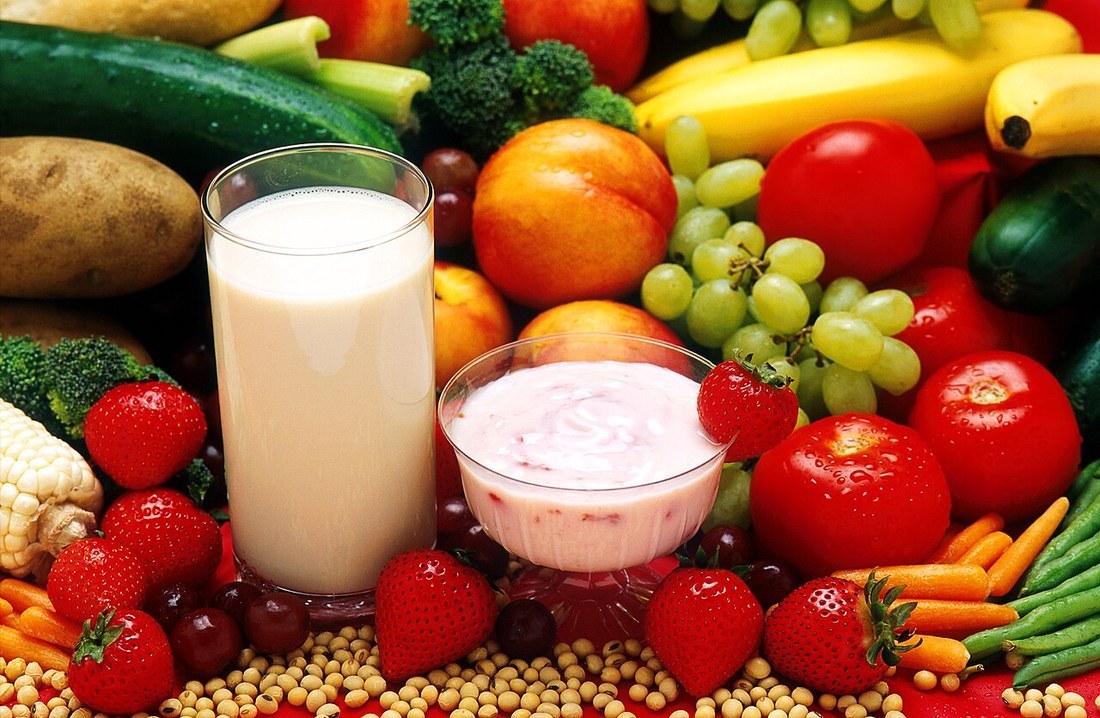
When people think about protein, steak, chicken, and eggs usually come to mind first. Yet vegetables high in protein can play a surprisingly useful role in everyday meals, especially when they are combined well and eaten in realistic portions. They will not replace meat gram for gram, but they add protein alongside fibre, vitamins, minerals, and plant compounds that animal foods do not provide in the same way.
The key is knowing which vegetables are actually worth counting. A few leaves of lettuce will not move the needle, but a cup of cooked lentils, edamame, or peas can. As the Harvard T.H. Chan School of Public Health explains, protein is essential for building and repairing tissues, and plant foods can form part of a balanced pattern of eating when they are chosen thoughtfully. The figures below are typical values for cooked vegetables unless stated otherwise, because cooking changes both weight and water content.
How to read protein numbers honestly
Protein content is usually quoted per 100 grams or per cup, and those two measures can tell very different stories. Leafy greens look modest per cup because a cup weighs very little, while beans and peas look strong because they are dense and filling. Serving size matters just as much as the headline number. It is easy to eat a cup of cooked lentils; it is much harder to eat the equivalent weight of raw spinach in one sitting.
It also helps to remember that most vegetables are not complete proteins on their own, meaning they do not supply all nine essential amino acids in ideal proportions. That is not a problem in a varied diet. Grains, nuts, seeds, dairy, eggs, or soy foods eaten across the day fill the gaps. You do not need to combine proteins perfectly at every meal, despite the old advice that suggested otherwise. Variety over the day is what counts.
The highest-protein vegetables
1. Edamame: about 18 grams per cup
Edamame, young soybeans still in the pod, are the standout among vegetables high in protein. A cup of shelled, cooked edamame provides roughly 18 grams of protein, along with fibre, folate, iron, and magnesium. Soy is also one of the few plant foods that supplies all essential amino acids in useful amounts. Serve edamame warm with a pinch of salt, toss it into noodle bowls, or blend shelled beans into a dip with lemon and garlic.
2. Lentils: about 18 grams per cup
Lentils are technically legumes, but they are cooked and eaten like vegetables in most kitchens, so they belong at the top of any practical list. A cup of cooked lentils gives around 18 grams of protein and about 15 grams of fibre, which is one reason lentil soup feels so satisfying. Red lentils break down into a thick, comforting soup in 20 minutes, while brown and green lentils hold their shape better in salads and stews. They are also rich in folate and iron, although the iron is absorbed better when eaten with vitamin C from tomatoes, peppers, or citrus.
3. Black beans: about 15 grams per cup
Black beans are cheap, widely available, and remarkably versatile. A cup of cooked black beans contains roughly 15 grams of protein, plus soluble fibre that helps slow digestion and steady blood sugar. Rinse canned beans to cut sodium, then use them in tacos, burritos, grain bowls, or a simple bean and corn salad. Their dark colour comes from anthocyanins, the same family of plant pigments found in berries.
4. Chickpeas: about 15 grams per cup
Chickpeas provide around 14 to 15 grams of protein per cooked cup, along with manganese, folate, and fibre. Roast them with smoked paprika for a crunchy snack, blitz them into hummus, or add them to curries where they soak up spice beautifully. Because chickpeas pair naturally with grains such as rice or flatbread, they make it easy to build a filling, protein-conscious meal without meat.
5. Kidney beans: about 15 grams per cup
Kidney beans offer a similar profile to black beans, with about 15 grams of protein per cooked cup. They are a natural fit for chilli, bean stews, and mixed-bean salads. Always cook dried kidney beans thoroughly, as undercooked kidney beans can cause stomach upset; canned beans, already cooked, are a convenient and safe shortcut.
Everyday vegetables that add up
6. Green peas: about 8 grams per cup
Green peas are often treated as a side dish, but a cup of cooked peas provides about 8 grams of protein, plus fibre, vitamin K, and manganese. Frozen peas are just as useful as fresh ones and cook in minutes. Stir them into pasta, fried rice, soups, or a pea and mint mash to serve with fish or grilled tofu.
7. Tempeh and tofu: 15 to 20 grams per serving
Tempeh and tofu are made from soybeans, so they sit close to vegetables in many plant-based meals even though they are processed foods. A 100-gram serving of tempeh typically provides about 19 grams of protein, while extra-firm tofu provides roughly 15 to 17 grams per 100 grams, depending on the brand. Tempeh has a firmer, nuttier texture and holds up well sliced and pan-fried; tofu absorbs marinades and works in stir-fries, scrambles, and curries.
8. Broccoli: about 4 grams per cup cooked
Broccoli will not carry a meal’s protein on its own, but it earns its place because it is easy to eat in large amounts. A cup of cooked broccoli has about 4 grams of protein, along with vitamin C, vitamin K, folate, and sulforaphane, a plant compound studied for its potential health effects. Roasting broccoli at high heat until the edges crisp makes it far more appealing than boiling it into softness.
9. Spinach: about 5 grams per cooked cup
Raw spinach looks low in protein because a cup weighs only about 30 grams, but cooked spinach collapses dramatically. A cup of cooked spinach provides roughly 5 grams of protein, plus iron, calcium, magnesium, and folate. Add handfuls to soups, pasta sauces, curries, and egg dishes, where it wilts in seconds and barely changes the flavour.
10. Brussels sprouts: about 4 grams per cup
Brussels sprouts provide about 4 grams of protein per cooked cup, together with fibre and vitamin K. Halve them, toss with olive oil and salt, and roast until browned; the bitterness that puts many people off largely disappears with proper cooking. They also pair well with balsamic vinegar, toasted nuts, or a squeeze of lemon.
11. Sweetcorn: about 5 grams per cup
Sweetcorn gives around 4 to 5 grams of protein per cooked cup, plus fibre and B vitamins. It is especially useful in mixed dishes: corn and bean salads, chowders, fritters, and grain bowls all benefit from its sweetness and texture. Pair corn with beans and you get a classic combination that covers a broader range of amino acids.
12. Potatoes: about 4 grams per medium potato
A medium baked potato with skin contains roughly 4 to 5 grams of protein, along with potassium, vitamin C, and vitamin B6. Potatoes are often dismissed as pure starch, but they are more nutritious than that reputation suggests, particularly when the skin is kept on. A baked potato topped with beans, cottage cheese, or tuna becomes a genuinely filling lunch.
13. Mushrooms: about 3 grams per cup
Mushrooms are fungi rather than vegetables in strict botanical terms, but they are used as vegetables in cooking and are worth including. A cup of cooked mushrooms provides about 3 grams of protein and very few calories, plus B vitamins and selenium. Their savoury, umami flavour makes them a good partner for beans, lentils, and grains in hearty sauces and stews.
14. Cauliflower: about 2 grams per cup
Cauliflower provides only about 2 grams of protein per cup, so it should not be counted as a protein source on its own. Its value is as a vehicle: cauliflower rice, roasted cauliflower, and cauliflower cheese all make it easy to eat larger, more satisfying portions of vegetables alongside higher-protein foods such as chickpeas or tofu.
15. Asparagus and artichokes: 3 to 5 grams per serving
Asparagus gives about 3 grams of protein per cooked cup, while a medium artichoke provides roughly 4 to 5 grams. Neither will transform your protein intake alone, but both add variety, fibre, and micronutrients to meals that already contain beans, lentils, or soy. Grilled asparagus with lemon and olive oil, or artichoke hearts in salads and pasta, are simple ways to use them.
Putting it together in real meals
The easiest way to use these foods is to build meals around a higher-protein base, then add lower-protein vegetables for bulk, flavour, and nutrients. A lentil and spinach curry, a black bean taco with sweetcorn salsa, or a tofu stir-fry loaded with broccoli and mushrooms all follow that pattern. For more evening ideas built on the same principle, see these high-protein dinners that keep you full without relying on meat at every meal.
Portion awareness still matters. A sprinkle of peas on a salad is not the same as a cup of peas in a main dish. If you are tracking protein for sport, weight management, or a medical reason, weigh or measure servings for a few days to calibrate your eye. Most people, however, will do well simply by making beans, lentils, peas, or soy a regular part of lunch or dinner rather than an occasional garnish.
Frequently asked questions
Which vegetable has the most protein?
Edamame and lentils lead the practical list, each providing about 18 grams of protein per cooked cup. Soy foods such as tempeh are slightly higher per 100 grams, at around 19 grams, because they are more concentrated than fresh vegetables.
Can you get enough protein from vegetables alone?
It is possible on a varied plant-based diet, but it takes planning. Beans, lentils, peas, soy foods, nuts, seeds, and grains need to appear regularly and in substantial portions. Simply eating more salad vegetables will not be enough, because their protein density is low even though they are rich in other nutrients.
Are frozen vegetables as high in protein as fresh?
Yes, in most cases. Peas, edamame, broccoli, and spinach are frozen soon after harvest, which preserves their nutrients well. Protein content does not drop meaningfully with freezing, and frozen vegetables are often more practical and less wasteful than fresh ones.
Do you need to combine proteins at every meal?
No. Your body pools amino acids over the course of the day, so eating a variety of plant proteins across meals is enough for most people. Soy, quinoa, and buckwheat are exceptions that supply all essential amino acids on their own, but they are not required at every meal.
What is the best high-protein vegetable for weight loss?
Lentils and beans are strong choices because they combine protein with a lot of fibre and water, which helps you feel full on relatively few calories. A cup of lentil soup, for example, is far more filling than the same calories from refined grains alone, and it is easy to flavour without adding much fat.
Conclusion
Vegetables high in protein will not match meat gram for gram, and they do not need to. Used well, edamame, lentils, beans, peas, and soy foods add meaningful protein to meals that are also rich in fibre, vitamins, and minerals. Start with one or two of them this week: a lentil soup for lunch, edamame in a noodle bowl, or black beans in tacos. Small, consistent swaps build a pattern that is easier to maintain than any dramatic overhaul, and your meals will be more satisfying for it.
This article is for general wellness information only and is not a substitute for professional medical or dietary advice; speak to a qualified professional about your individual needs.
