

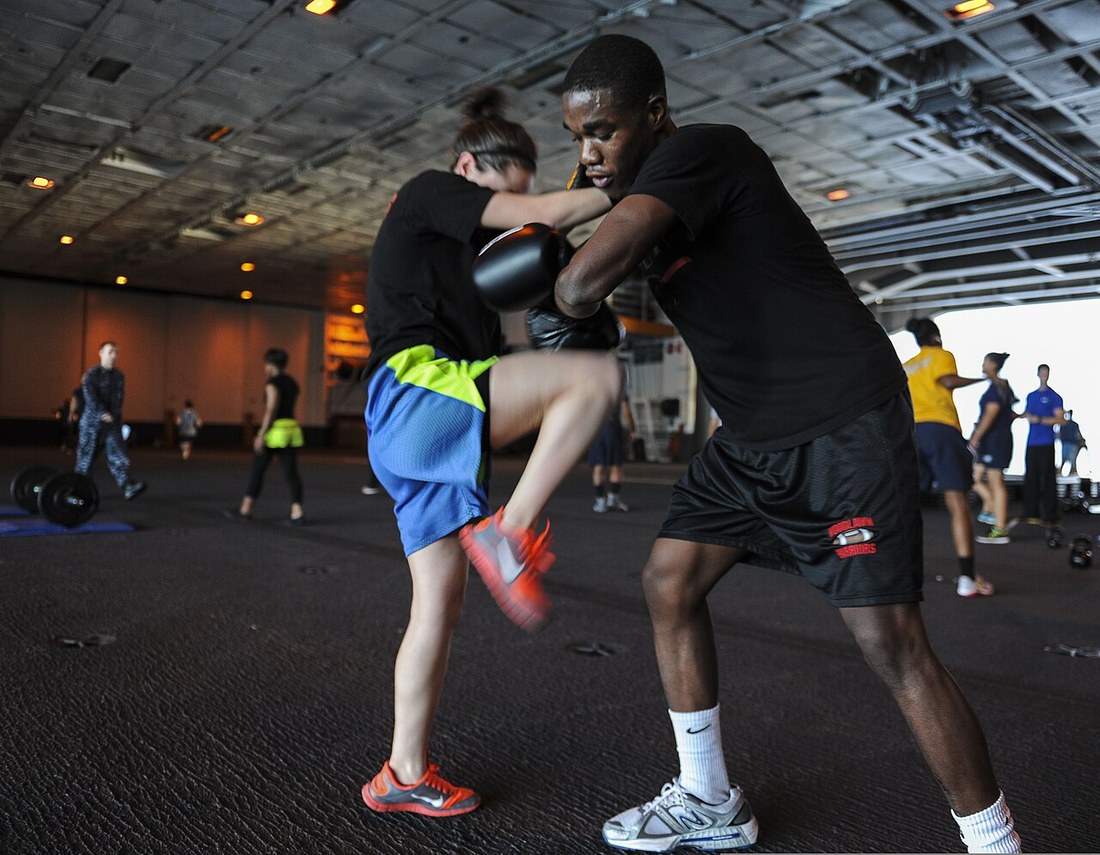
Functional fitness workouts train your body for the movements you actually use every day: lifting a heavy box, climbing stairs with shopping bags, getting up from a low chair, reaching overhead, or catching yourself if you trip. Instead of isolating one muscle on a machine, functional fitness workouts combine strength, balance, coordination, mobility, and endurance in patterns that transfer directly to work, sport, and family life. That practical focus is why they appeal to busy adults, older adults who want to stay independent, and athletes who want strength they can use outside the gym.
The idea is simple: train movements, not just muscles. A squat prepares you to sit and stand safely. A hinge prepares you to pick something up without straining your back. A carry builds the grip and core stability you need for luggage, groceries, and children. The American Council on Exercise (ACE) describes functional training as training that helps people perform daily activities more efficiently and with less risk of injury, and that principle shapes every good programme. When you practise these patterns with good technique and gradual progression, everyday tasks start to feel noticeably easier within a few weeks.
What Is Functional Fitness?
Functional fitness is a style of training built around multi-joint, multi-plane movement. Rather than sitting down to push a fixed weight along a fixed track, you usually stand, move through space, stabilise your trunk, and coordinate your arms and legs. Exercises such as goblet squats, Romanian deadlifts, lunges, rows, presses, carries, and medicine-ball throws all qualify because they demand control as well as force. The load matters, but so do posture, foot position, breathing, and timing.
That distinction matters for health. Research and public-health guidance consistently link muscle-strengthening activity with better bone density, blood-sugar control, balance, and independence in later life. The World Health Organization recommends that adults do muscle-strengthening activities on two or more days per week, alongside 150 to 300 minutes of moderate-intensity aerobic activity, or 75 to 150 minutes of vigorous activity, each week. Functional training is an efficient way to meet the strength part of that guidance because one session can cover the legs, hips, back, shoulders, and core at the same time.
Functional training is also scalable. A beginner might practise a bodyweight squat to a chair, a wall push-up, and a short farmer carry with light dumbbells. An advanced trainee might do a barbell front squat, a single-arm kettlebell swing, and a loaded carry over 40 metres. The pattern stays the same; the load, range, speed, and complexity change. That makes it suitable for a wide range of ages and fitness levels, provided the programme is adjusted to the individual and any existing injuries or medical conditions are taken into account.
The Seven Key Movement Patterns
Most functional programmes are organised around a small set of patterns. Learning these patterns, rather than memorising dozens of unrelated exercises, gives you a framework you can use for years. Each pattern has easier and harder versions, so you can progress without changing your whole routine.
1. Squat
The squat is the foundation of sitting, standing, and lifting from a low position. Keep your feet about shoulder-width apart, your chest tall, and your knees tracking over your toes as you sit your hips back and down. A goblet squat, holding a dumbbell or kettlebell at your chest, is an excellent teaching tool because the front load helps you stay upright. Aim for depth you can control without your lower back rounding or your heels lifting.
2. Hinge
The hinge is the hip-dominant pattern behind deadlifts, kettlebell swings, and safe lifting from the floor. Push your hips back, keep a long spine, and feel tension in your hamstrings and glutes before you drive your hips forward. Many back strains happen when people round their spine to lift instead of hinging, so this pattern is worth practising slowly with light loads first. Romanian deadlifts and hip thrusts are useful hinge variations.
3. Lunge and Split Stance
Walking, climbing stairs, and changing direction all involve split-stance strength and balance. Lunges, reverse lunges, step-ups, and split squats build single-leg strength, hip stability, and ankle control. Start with a short step and a supported variation, such as holding a rail or a chair, if balance is a challenge. Over time, increase the range, add load, or move to walking lunges.
4. Push
Pushing covers horizontal pressing, such as push-ups and dumbbell bench presses, and vertical pressing, such as overhead presses. These movements strengthen the chest, shoulders, and triceps for tasks such as pushing open a heavy door, lifting a suitcase into an overhead rack, or getting up from the floor. Keep your ribs down, avoid shrugging your shoulders toward your ears, and choose a range that does not cause shoulder pain.
5. Pull
Pulling balances all that pressing and protects posture. Rows, pull-ups, lat pulldowns, and face pulls strengthen the upper back, rear shoulders, and biceps. Many desk workers benefit especially from pulling work because it counteracts hours spent hunched over a keyboard. A good rule is to include at least as much pulling volume as pushing volume in a weekly programme.
6. Carry
Carries are deceptively simple and highly functional. A farmer carry, holding a weight in each hand and walking tall, builds grip strength, core stability, and walking endurance. A suitcase carry, with weight on one side only, challenges the obliques to keep your trunk level. Start with 20 to 30 metres, rest, and repeat for two to four sets. Grip strength is also a useful marker of general strength and health in older adults.
7. Rotation and Core Stability
Real life rarely happens in a straight line. Rotation, anti-rotation, and core-bracing exercises prepare you to twist safely, resist unexpected forces, and transfer power from your legs to your arms. Pallof presses, cable chops, dead bugs, side planks, and controlled medicine-ball rotations are more useful than endless sit-ups because they train the core to stabilise the spine while the limbs move. Quality matters more than duration: a 20-second plank with perfect alignment beats a two-minute plank with sagging hips.
A Sample Weekly Plan
You do not need to train every day to benefit. Three well-planned sessions per week, lasting 40 to 55 minutes each, are enough for most beginners and intermediates. Each session should start with five to ten minutes of easy movement, such as brisk walking, cycling, or dynamic stretches for the hips, shoulders, and spine, and finish with a short cool-down and gentle stretching.
On Monday, focus on lower-body strength and carries. A sample session could include goblet squats for three sets of eight to ten repetitions, Romanian deadlifts for three sets of eight to ten, step-ups for two sets of eight per leg, and farmer carries for three sets of 30 metres. Rest for 60 to 90 seconds between sets and stop each set one or two repetitions short of failure.
On Wednesday, focus on upper-body strength and core stability. Try push-ups or dumbbell bench presses for three sets of eight to twelve repetitions, single-arm dumbbell rows for three sets of ten per side, a half-kneeling overhead press for three sets of eight per side, and Pallof presses for two sets of ten per side. Finish with dead bugs for two sets of eight per side, keeping your lower back gently pressed toward the floor.
On Friday, combine the patterns into a full-body session with a conditioning finish. You might do kettlebell deadlifts, reverse lunges, and incline push-ups in a circuit, followed by suitcase carries and a short interval block, such as six rounds of 30 seconds of brisk effort and 60 seconds of easy recovery on a bike, rower, or brisk walk. If you are new to training, keep the conditioning easy and build duration before intensity.
Progression should be gradual. A practical approach is to add one repetition per set, then add a small amount of weight, then add a set, before moving to a harder variation. For example, if you can do three sets of ten goblet squats comfortably with 12 kilograms, try 14 or 16 kilograms the following week, or move to a front squat. Track your sessions in a notebook or app, because progress over eight to twelve weeks is motivating and helps you spot plateaus early.
Beginner Mistakes to Avoid
The most common mistake is starting too heavy. Functional exercises expose weak links, especially in the core, hips, and ankles, and heavy loads magnify poor technique. Choose a weight that lets you complete every repetition with control, and film yourself occasionally from the side to check your squat depth, back position, and knee tracking. If a movement causes sharp or joint pain, stop, reduce the load or range, and seek professional guidance rather than pushing through.
Another mistake is skipping the warm-up and mobility work. Tight hips, stiff ankles, and a rounded upper back make squats, hinges, and overhead presses harder and less safe. Spend a few minutes on hip openers, ankle mobility, thoracic rotations, and activation drills such as glute bridges before you load a pattern. Likewise, do not neglect single-leg work or pulling work: balanced programmes prevent the posture problems and knee or shoulder niggles that come from training only the movements you already like.
Finally, avoid copying advanced workouts from social media before you have the basics. Kettlebell snatches, barbell complexes, and high-speed Olympic lifts can be valuable, but they require coaching, mobility, and a solid base. Master the goblet squat, hinge, row, push-up, carry, and plank first. When those feel strong and automatic, a qualified coach can teach you the next progression safely.
Equipment Options: From No Equipment to a Home Gym
Functional training is flexible about equipment, which is one of its strengths. With no equipment at all, you can do bodyweight squats, lunges, push-ups, glute bridges, planks, and step-ups on a sturdy chair or low step. Resistance bands add pulling and pressing options for very little cost and are easy to store in a small home. A single pair of adjustable dumbbells covers most beginner and intermediate programmes, while one or two kettlebells open up swings, cleans, carries, and goblet squats.
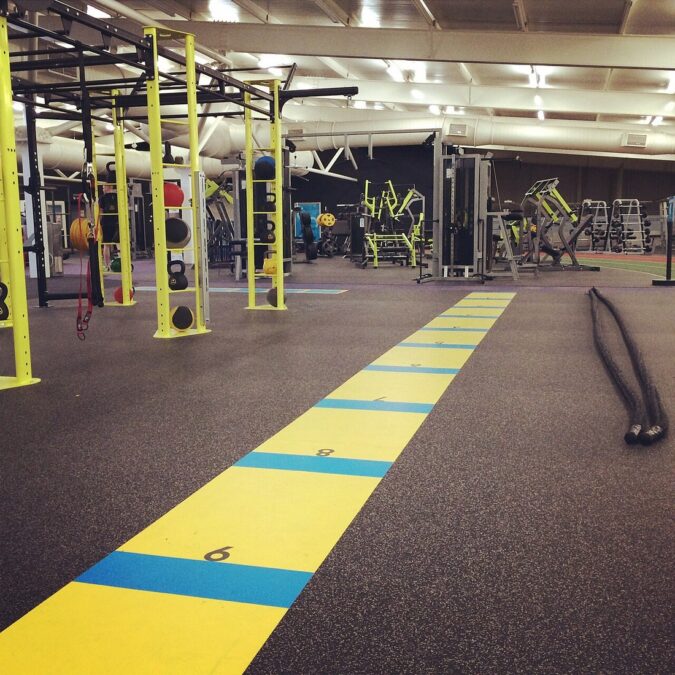
If you have more space and budget, a barbell, a squat rack, and a set of plates allow heavier squats, deadlifts, and presses, and a suspension trainer adds challenging rows, push-ups, and core work using body weight. In a commercial gym, cables, landmines, medicine balls, sleds, and battle ropes all fit naturally into functional training. The best equipment is the equipment you will actually use consistently, in a space where you feel comfortable, so start small and add pieces only when your programme genuinely needs them.
Whatever equipment you choose, combine functional strength work with regular aerobic activity, sleep, and sensible nutrition. Strength training alone will improve your ability to lift, carry, and climb, but walking, cycling, or swimming supports heart health and recovery. Aim for seven to nine hours of sleep most nights, eat enough protein to support muscle repair, typically around 1.2 to 1.6 grams per kilogram of body weight per day for active adults, and stay hydrated, especially during longer or hotter sessions.
If you are just starting out, a structured introduction can make the first weeks far less confusing. Our beginner workout plan explains how to organise your first sessions, choose sensible starting weights, and build a habit you can maintain. Use it alongside the patterns above, and increase difficulty only when your current sessions feel controlled and repeatable.
Frequently Asked Questions
How often should I do functional fitness workouts?
Most adults benefit from two to four functional strength sessions per week, with at least one rest day between hard sessions for the same muscle groups. Beginners should start with two or three sessions, while more experienced trainees can add a fourth session or extra aerobic activity. Consistency over months matters more than intensity in any single week.
Are functional fitness workouts good for weight loss?
Functional workouts can support weight loss because they build muscle, raise energy expenditure, and improve fitness, but they work best alongside a calorie-aware diet and regular daily movement. Muscle is metabolically active, and stronger legs and core make walking, cycling, and active hobbies easier, which helps you stay active. No single workout can outweigh a consistently high-calorie diet, so combine training with realistic eating habits.
Do I need a gym for functional training?
No. Bodyweight exercises, resistance bands, and one or two dumbbells or kettlebells are enough to build a strong foundation at home. A gym simply offers more load, variety, and coaching. Choose the setting that fits your budget, schedule, and confidence, and remember that the movement patterns matter more than the venue.
Is functional fitness suitable for older adults?
Yes, when it is adapted appropriately. Sit-to-stand practice, step-ups, supported lunges, carries, and balance work directly support independence, fall prevention, and bone health in older adults. Loads should be light at first, balance support should be available, and any medical conditions, medications, or joint problems should be discussed with a healthcare professional before starting a new programme.
How long does it take to see results?
Many people notice better balance, less effort on stairs, and improved confidence within three to four weeks, while visible strength and muscle changes usually take eight to twelve weeks of consistent training. Progress depends on starting fitness, training frequency, sleep, nutrition, and whether you progressively increase load or difficulty. Keep a simple training log so you can see small improvements that are easy to miss day to day.
Conclusion
Functional fitness workouts work because they respect how your body is actually used. Squat, hinge, lunge, push, pull, carry, and rotate with good technique, progress gradually, and train two to four times per week, and you will build strength that shows up in daily life, not just in the gym. Start with movements you can control, add load slowly, and give your body time to adapt. Your future self, carrying groceries, climbing stairs, and playing with family without hesitation, will thank you.
Ready to start? Pick three sessions this week, practise one movement pattern in each, and record how each set feels. If you would like personalised guidance, speak to a qualified fitness professional who can assess your movement and tailor a programme to your goals.
This article is for general wellness information only and is not medical advice. If you have a health condition, injury, or concern, please consult a qualified healthcare professional before starting a new exercise programme.
