

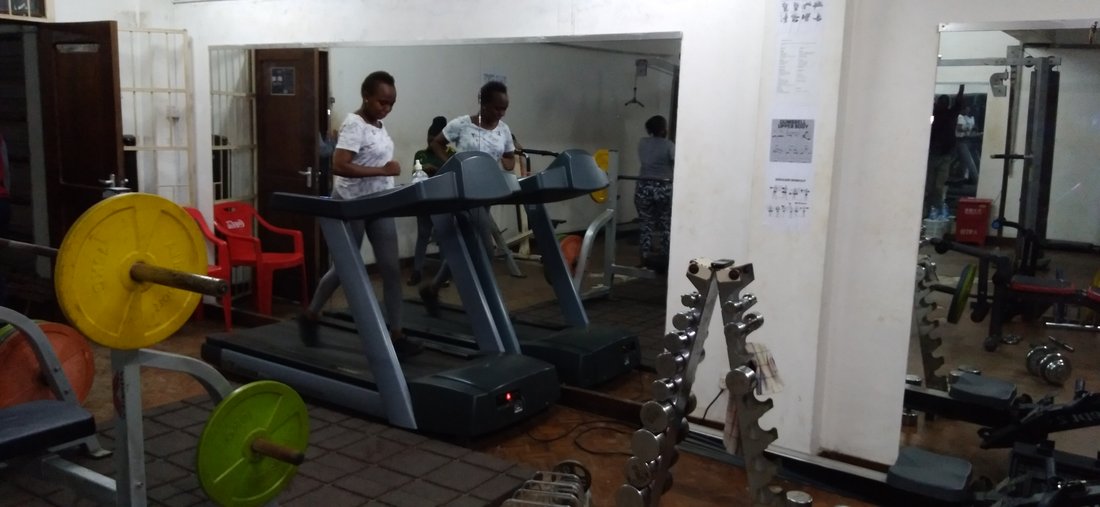
If you are searching for weight loss tips for women that actually fit a busy, real life, you are not alone. Between work, family, sleep, hormones and a never-ending stream of diet trends, it is easy to feel as if everyone else has found a secret you missed. The truth is less dramatic, and more reassuring: most lasting weight loss comes from a handful of unglamorous habits repeated consistently, not from a perfect meal plan or a punishing workout schedule. This guide pulls those habits together in a practical way, with numbers you can use, examples you can copy, and enough flexibility to adapt them to your own routine.
Before you change anything, set a realistic expectation. Losing 0.5 to 1 kilogram a week is often described as a steady, sustainable pace, although progress is rarely a straight line. Some weeks the scale barely moves, then drops; other weeks it rises a little even when you have done everything right. That is normal, and it does not mean your plan has failed. The NHS healthy weight guidance is a useful, evidence-based starting point for thinking about gradual change rather than crash dieting, and it is worth reading before you set a target.
Calorie Basics: Start With a Realistic Deficit
Weight change comes down to energy balance over time. Your body burns energy to keep you alive, to move, to digest food and to exercise. When you regularly eat a little less energy than you use, your body draws on stored fat for the difference. A modest deficit of about 300 to 500 calories a day is a sensible starting point for many women, because it is large enough to produce change without leaving you constantly hungry. For example, if you maintain your weight at around 2,100 calories a day, eating roughly 1,600 to 1,800 calories may create that kind of deficit, although individual needs vary a lot with height, weight, age and activity.
A simple way to estimate your starting point
Do not treat an online calculator as a verdict. Use it as a rough estimate, eat at that level for two to three weeks, and watch the trend rather than a single weigh-in. Weigh yourself two or three times a week, at the same time of day, and look at the weekly average. If the average is not moving, check the basics first: portion sizes, cooking oil, sauces, drinks and weekend meals, all of which are easy to underestimate. A single tablespoon of olive oil adds about 120 calories, and a large flavoured coffee can add 200 to 300 calories, so small, regular items matter more than one occasional treat.
Protein and Fibre: The Two Nutrients That Make Dieting Easier
Protein helps you feel full, supports muscle while you lose weight, and makes meals more satisfying. A useful general target is 1.2 to 1.6 grams of protein per kilogram of body weight a day. For a woman weighing 70 kilograms, that works out to roughly 84 to 112 grams a day, spread across meals rather than eaten all at once. Aim for 25 to 35 grams at lunch and dinner, from foods such as chicken, fish, eggs, Greek yoghurt, tofu, lentils or cottage cheese. A palm-sized portion of chicken breast, for instance, provides about 25 to 30 grams of protein.
Fibre plays a similar role. It adds bulk to meals, slows digestion and helps you feel satisfied for longer. Many adults are advised to aim for around 30 grams of fibre a day, yet typical intakes are often closer to 18 to 20 grams. Build up gradually with vegetables, beans, lentils, oats, fruit with the skin on, and wholegrain bread or rice, and drink water through the day. Adding 5 grams at a time, rather than overhauling every meal at once, is usually more comfortable and easier to stick with.

Strength Training: Why Muscle Matters More Than Endless Cardio
Cardio burns calories, but strength training protects the muscle that keeps you strong, mobile and able to do everyday things well as you lose weight. Two to three strength sessions a week are enough for most beginners. Focus on basic movements: a squat or leg press, a hinge such as a deadlift, a push such as a press-up or dumbbell press, and a pull such as a row. Two to three sets of 8 to 12 repetitions, with a weight that feels challenging in the last few repetitions, is a solid template. Add a little weight, a repetition or a set over time, and keep a simple note of what you lifted.
Walking deserves more credit than it usually gets. It is low impact, easy to fit into a day, and it adds up: 7,000 to 10,000 steps a day is a useful range for many people, but even moving from 3,000 to 6,000 steps is real progress. Combine strength work with regular walking and you also meet the widely used guideline of about 150 minutes of moderate activity a week, which can be broken into 20 to 30 minute chunks. You do not need to train every day, and you do not need to be exhausted after every session for it to count.
Sleep and Stress: The Hidden Factors That Affect Appetite
Most adults need 7 to 9 hours of sleep a night, yet sleep is often the first thing cut when life gets busy. Short sleep tends to increase hunger and cravings the next day, especially for sweet and salty foods, and it makes it harder to make calm food choices. A practical wind-down helps: dim the lights, put the phone down 30 to 60 minutes before bed, keep the bedroom cool and dark, and avoid caffeine in the late afternoon if it affects your sleep. A consistent wake time, even at weekends, also helps your body settle into a rhythm.
Stress works in a similar way. When you are tired, rushed or overwhelmed, food becomes a quick source of comfort, and portion control feels much harder. That does not mean willpower is the problem; it means your plan needs to fit stressful days, not just good ones. Keep a few easy options ready, such as pre-cut vegetables, yoghurt, eggs, tinned beans or a simple soup, so a busy evening does not automatically turn into a takeaway. A 10 minute walk, a short stretch or a few slow breaths will not fix a hard week, but it can break the pattern of reaching for food the moment stress rises.
Hormones and Plateaus: What Is Normal, and What to Do Next
Many women notice the scale moving with their menstrual cycle. Water retention before a period can add 1 to 2 kilograms temporarily, even when body fat has not changed, which is why weekly averages and measurements matter more than daily numbers. During perimenopause, changes in sleep, appetite and where fat is stored can also make weight loss feel slower, although the same foundations still apply: a modest calorie deficit, enough protein, strength training, sleep and daily movement. If you notice persistent symptoms such as unusual fatigue, major changes in your cycle or rapid unexplained weight change, speak to a qualified health professional rather than trying to diagnose the cause yourself.
A plateau, where weight stays stable for three to four weeks despite consistent effort, is also common after you have lost some weight. A smaller body needs fewer calories, and you may unconsciously move less as you get lighter. Before cutting calories further, check your tracking, your steps, your sleep and your strength progress. Sometimes a short period at maintenance calories, for two to four weeks, helps you recover, restore energy and return to a deficit with more consistency. Progress is not only the scale: waist measurements, how clothes fit, strength gains and energy levels all tell part of the story.
Sustainable Habits: Building a Routine You Can Keep
The best plan is the one you can repeat on a normal Tuesday, not just on a motivated Monday. Start with two or three changes, practise them for a month, and only then add more. Useful habits include planning three or four dinners a week, keeping breakfast protein-rich, filling half your plate with vegetables at lunch and dinner, and deciding in advance how you will handle eating out. If building balanced meals feels confusing, this guide to What Is a Balanced Diet? A Simple Guide to Healthy Eating explains the basics in plain language and pairs well with the ideas here.
- Plan meals around protein, fibre and vegetables first, then add starches and fats to taste.
- Keep tempting foods out of easy reach at home, and keep healthier snacks visible instead.
- Use smaller plates and serve food in the kitchen, rather than eating straight from large packets.
- Decide your alcohol limit in advance; alcohol provides about 7 calories per gram and often loosens food choices.
- Review your week every Sunday for 10 minutes: what worked, what did not, and one small fix for next week.
Frequently Asked Questions
How fast should I expect to lose weight?
A pace of 0.5 to 1 kilogram a week is a common, sustainable range, but it varies with your starting weight, age, activity and how consistent you can be. Faster loss in the first week or two often reflects water changes as well as fat loss. Judge progress over four to six weeks, using weekly averages, measurements and photos, rather than reacting to one weigh-in.
Do I need to cut out carbohydrates?
No. Carbohydrates are not inherently fattening; total energy intake matters most. Many women do well with a mix that includes fruit, vegetables, oats, potatoes, rice or bread, especially around workouts. If you prefer lower-carbohydrate meals, focus on protein, fibre and vegetables first, and make sure the overall pattern still feels enjoyable and sustainable.
Can I lose weight without going to a gym?
Yes. Walking, home workouts with dumbbells or resistance bands, swimming, cycling and dancing all count. The key is regular movement plus some resistance work, which can be done at home with bodyweight exercises such as squats, press-ups, rows with bands and glute bridges. A gym is convenient, but it is not a requirement.
Why am I not losing weight even though I am eating less?
Common reasons include underestimating portions, forgetting drinks and snacks, eating much more at weekends than on weekdays, poor sleep, and water retention linked to your cycle or a new training programme. Track honestly for a week, including weekends, and compare your average intake with your average weight trend. If nothing changes after several consistent weeks, adjust one variable at a time, such as steps or portion sizes, rather than changing everything at once.
What makes a good breakfast for weight loss?
A breakfast with protein and fibre tends to keep you full until lunch. Examples include Greek yoghurt with berries and oats, eggs with wholegrain toast and vegetables, or porridge made with milk and topped with nuts and fruit. A pastry and a sweetened coffee, by contrast, can provide 400 to 500 calories with little protein or fibre, leaving you hungry again within a couple of hours.
Conclusion: Start Small, Stay Consistent, and Be Patient
Healthy weight loss for women is not about perfection, punishment or a 30 day transformation. It is about a modest calorie deficit, enough protein and fibre, regular strength training and walking, better sleep, and habits that survive real life. Choose two or three ideas from this guide, try them for the next four weeks, and review your progress honestly before adding more. Small, repeated choices, such as a protein-rich breakfast, a daily walk and a planned dinner, add up to far more than any short burst of extreme dieting.
Start today with one simple step: plan tomorrow’s breakfast and a 20 minute walk, then build from there. Your future self will thank you for a plan that is kind, realistic and built to last.
This article is for general information only and is not a substitute for professional medical advice; talk to a qualified health professional before making significant changes to your diet or exercise routine.
