

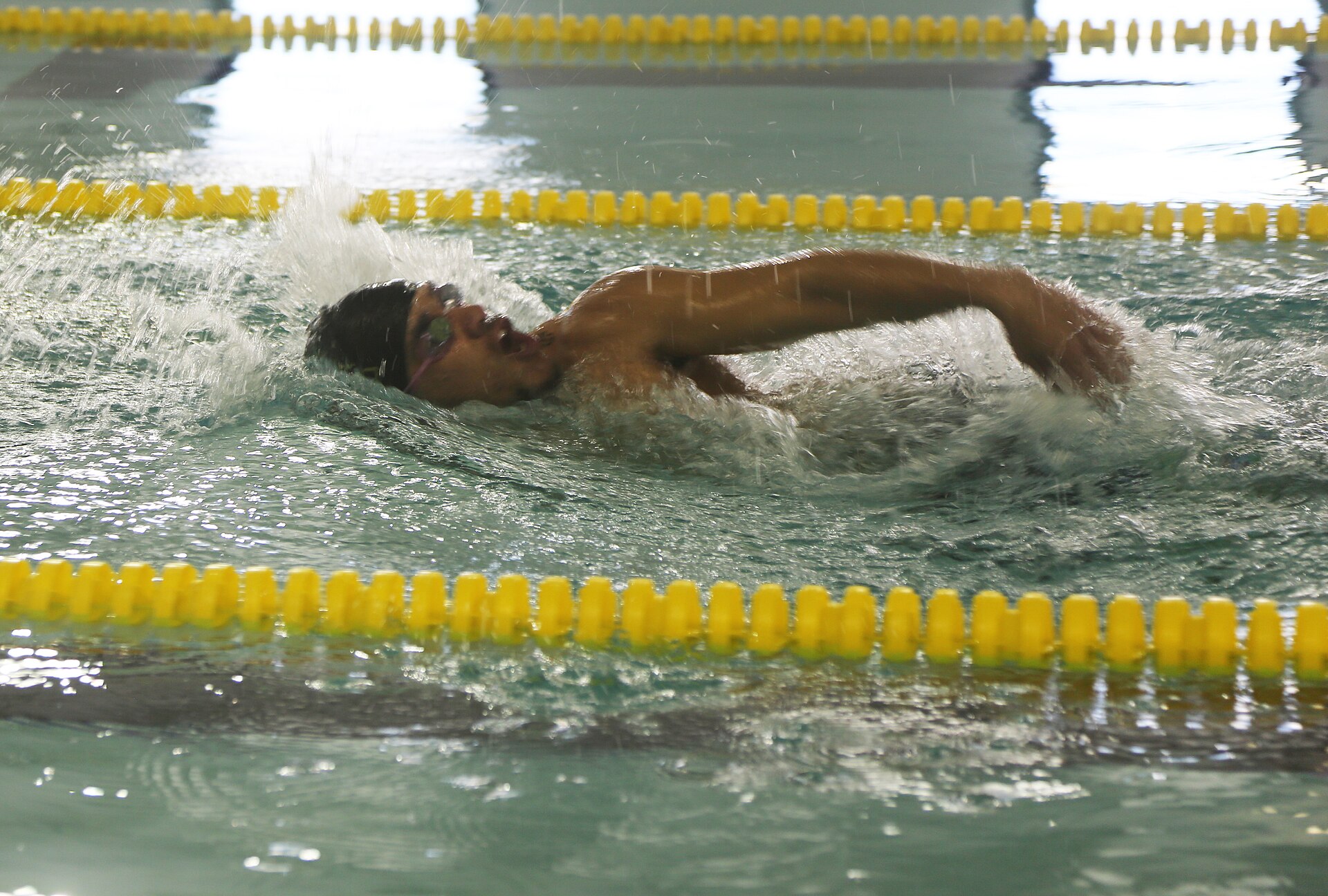
Introduction: Why Every Swimmer Should Know the Swimming USA Time Standards
If you race competitively in the United States, the swimming USA time standards are the benchmarks that shape your entire journey, from your very first age-group meet to the biggest championship stages in the country. Whether you are a 10-and-under swimmer chasing your first B cut or a senior athlete with sectionals in your sights, these time standards give you clear, measurable goals for every event and every season.
They turn vague ambitions like “swim faster” into concrete targets: a 50 freestyle under 30 seconds, a 100 backstroke at the A level, a 200 IM fast enough to qualify for a championship meet. In this guide, we explain every level from B through AAAA, the difference between motivational and championship standards, how the standards change between pool courses, and the exact steps you can take to find your standard and start dropping time in 2026 and beyond.
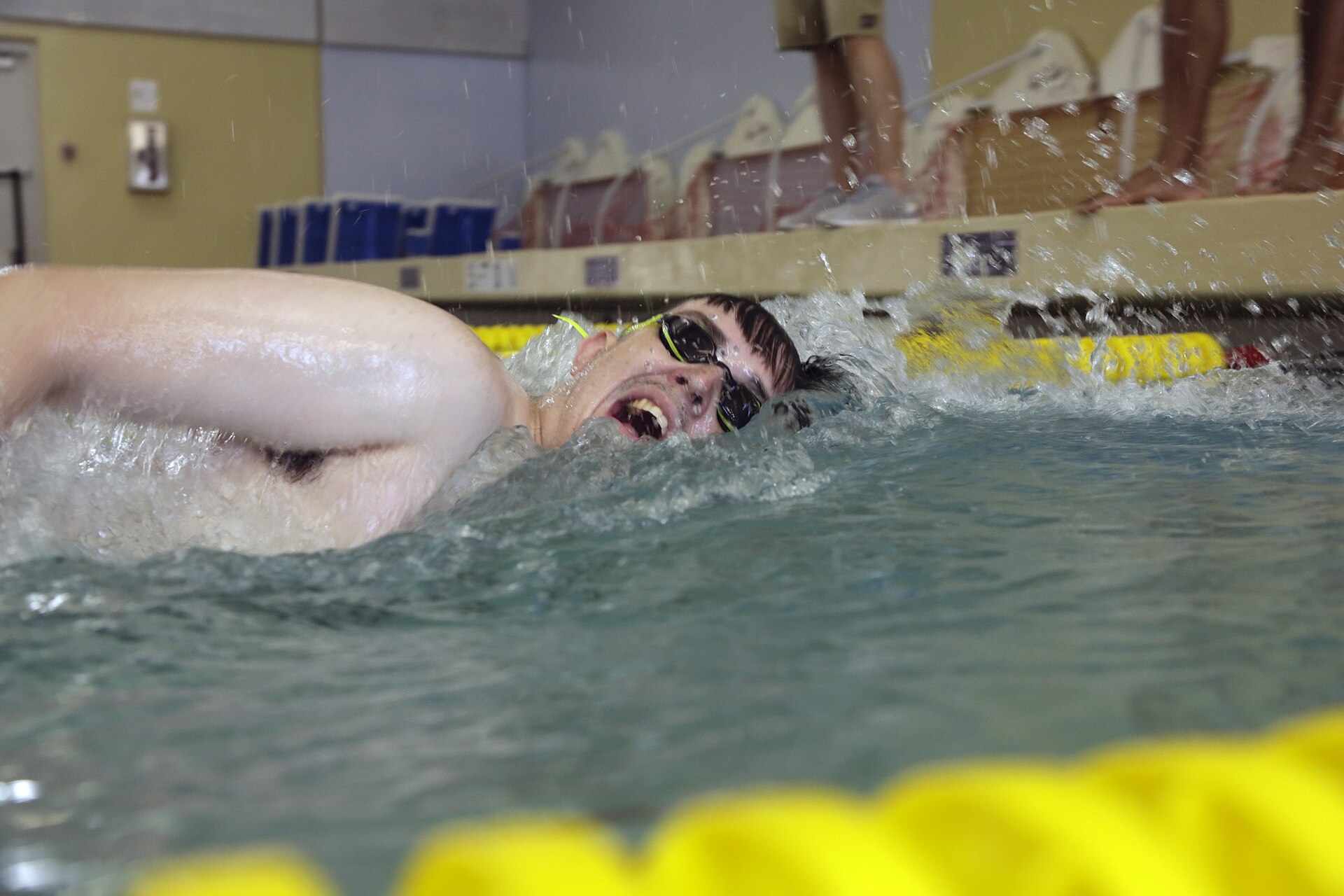
What Are USA Swimming Time Standards?
Time standards are official target times set by USA Swimming, the national governing body for competitive swimming in the United States. Every entry in the swimming USA time standards charts is a specific time for a specific event, age group, gender, and pool course. For example, a 12-year-old girl swimming the 100-yard freestyle in a short course yards pool has a different B, A, and AAA standard than a 16-year-old boy swimming the same event. The standards are calculated from real swim data collected across the country, so they reflect how fast swimmers at each level actually swim.
The most widely used set of standards is the motivational time standards, which USA Swimming updates every four years after each Olympic cycle. These standards divide swimmers into achievement levels labeled B, BB, A, AA, AAA, and AAAA. Roughly speaking, B marks the level of a developing age-group swimmer, A represents a strong competitive swimmer, and AAAA identifies times that are close to national-level performance. Because the standards are age-based, they grow with you: your targets get faster each birthday, which keeps the challenge fresh year after year.
Time standards serve three practical purposes. First, they help swimmers and coaches set realistic season goals instead of guessing what a “good” time looks like. Second, meet organizers use them to structure competition, seeding events and awarding finals by standard levels. Third, they give college recruiters and club coaches a quick, universal language for evaluating talent. When someone says they are an “A swimmer,” coaches across the country immediately understand roughly how fast they are.
Motivational Time Standards vs Championship Time Standards
It is important to understand that not all swimming USA time standards work the same way. The two big categories are motivational standards and championship standards, and they exist for different reasons.
Motivational time standards are the B through AAAA levels described above. They are developmental benchmarks designed to motivate swimmers and reward progress. Nobody is required to hit a motivational standard to enter a regular meet; instead, these standards are goals you chase over a season or a career. Many clubs celebrate when a swimmer earns a new motivational cut, and some meets even offer special “BB” or “A” sessions for swimmers who have achieved those levels. If you want a full walkthrough of these developmental levels, check out our detailed guide to USA Swimming motivational times, which breaks down each level with practical examples.
Championship time standards, on the other hand, are qualifying times. Meets like the Age Group Sectionals, Futures Championships, Junior Nationals, Winter Juniors, and the U.S. Olympic Trials each publish their own cut times, and you must swim equal to or faster than the published standard to enter. Championship standards are much tougher than motivational standards: a Futures cut in the 100 freestyle, for instance, is far faster than an AAA motivational time for the same event and age group. Think of motivational standards as the ladder and championship standards as the doors they open.
The key takeaway is simple: use motivational standards to measure your growth and set goals, and use championship standards to plan which big meets you can target each season. Across both systems, the swimming USA time standards reward the same thing, which is consistent, smart training over time.
The Time Standard Levels: B, BB, A, AA, AAA, and AAAA
The six motivational levels form the backbone of the swimming USA time standards: a ladder that nearly every competitive swimmer climbs. Here is what each rung represents and the mindset that goes with it.
B: The Starting Point
The B standard is where most age-group swimmers begin. It represents a solid, legal swim in an event, the kind of time a dedicated young swimmer reaches within their first year or two of competition. Earning your first B cut is a milestone worth celebrating because it proves you can race the full distance with real technique under pressure.
BB: Building Consistency
BB swimmers have moved past the basics. They attend practice regularly, hold their technique together when they are tired, and race with a plan instead of just surviving the distance. The jump from B to BB often comes from better turns, cleaner streamlines, and learning how to pace an event.
A: The Strong Club Swimmer
The A standard is a meaningful line in the sand. A-level swimmers are typically strong contributors to their club teams, finalists at local championship meets, and athletes who train with real intent. Reaching A in your best events usually requires several seasons of consistent work and a genuine attention to the details of starts, turns, and finishes.
AA: Regional Standout
AA swimmers are among the faster athletes in their local swimming committee. They often final at state or regional championship meets and are beginning to think about bigger stages. The difference between A and AA is rarely raw talent alone; it is usually the swimmer who refines the small things, like underwater kick counts and race strategy, who makes this jump.
AAA: Elite Age-Group Territory
AAA times place a swimmer among the best age-group athletes in the country. Swimmers at this level are regularly competing at sectional-level meets and starting to appear on college recruiting radars. AAA is also the point where training volume, dryland work, nutrition, and recovery all start to matter as much as what happens in the pool.
AAAA: Near the Top of the Nation
AAAA is the highest motivational level and represents truly exceptional age-group swimming. These times sit just below the fastest championship qualifying standards in the country. Swimmers who reach AAAA are typically training at an elite club, competing at national-level meets, and drawing serious attention from top college programs. For context, many swimmers train their entire careers without ever touching an AAAA cut, which is exactly why it carries so much prestige.
Time Standards by Course: SCY, SCM, and LCM Explained
One thing that confuses many families is that the swimming USA time standards change depending on the pool course. There are three courses, and each has its own full set of standards.
- SCY (short course yards): a 25-yard pool, the standard course for American high school and college swimming and for most winter club meets. Because the pool is short, swimmers get more turns, which usually makes SCY times the fastest of the three courses.
- SCM (short course meters): a 25-meter pool, common internationally and used for some winter competitions. Times generally fall between SCY and LCM.
- LCM (long course meters): a 50-meter Olympic-size pool, the course used for the Olympics, World Championships, and summer championship meets. With fewer turns, LCM times are typically the slowest of the three, and long course season is where many swimmers measure their true progress.
Because the courses are different lengths, you cannot compare a 100-yard freestyle time directly to a 100-meter freestyle time. The official swimming USA time standards charts list separate targets for each course, so you always have the right goal for the pool you are racing in. As a rule of thumb, winter season is mostly short course and summer season is long course, so most swimmers chase two different sets of cuts across the year. When you look up your standard, always double-check that you are reading the column for the course you are swimming.
How to Find Your Time Standard
Finding your standard is straightforward once you know the four pieces of information every standards chart needs: your age group, your gender, your event, and the course. Here is a simple process you can follow before every season.
- Confirm your competition age. Your age group is determined by your age on the first day of the meet (or by the cutoff date your local committee uses). Common groups are 10 and under, 11-12, 13-14, 15-16, and 17-18.
- Pick your events. Write down the events you swim most often, such as the 50 freestyle, 100 backstroke, or 200 IM.
- Check the course. Look at whether your upcoming meets are short course yards, short course meters, or long course meters.
- Look up the chart. Find the current USA Swimming motivational time standards document for your course and locate your age group, event, and gender. Read across the row to see the B, BB, A, AA, AAA, and AAAA times.
- Compare with your best times. Your fastest official times, usually listed on your team page or meet results, tell you which level you have already achieved and how far you are from the next one.
- Set two targets. Choose a realistic next-level goal for this season (for example, moving from BB to A in the 100 freestyle) and one stretch goal that excites you.
Many coaches keep printed charts on the pool deck, and plenty of free time-standard calculators online will do the lookup for you. Once you can read the swimming USA time standards charts with confidence, setting season goals becomes second nature. Make it a habit to check your standards at the start of each season so every practice has a purpose.
How to Drop Time: 7 Proven Training Tips
Knowing your standard is only half the battle; the other half is getting faster. Every strategy below is aimed at one goal: beating your next target in the swimming USA time standards. These seven tips are the ones coaches return to again and again when a swimmer is stuck just above their next cut.
1. Fix Your Underwaters First
The fastest part of any race is the push off the wall. Swimmers chasing their next standard often gain the most time by holding a tight streamline and kicking hard underwater on every wall, in practice as well as in meets. Count your kicks and make the number consistent.
2. Master One Turn at a Time
In a 200-yard event, you push off the wall seven times. Sloppy turns leak seconds that no amount of fitness can recover. Film your turns, pick one flaw to fix, and drill it until the correction is automatic.
3. Train Your Weakest Stroke on Purpose
Most swimmers avoid the stroke they dislike, which is exactly why it stays slow. Two focused technique sessions a month on your weakest stroke can unlock new cuts in the 200 IM and open up events you used to skip.
4. Learn Real Race Pacing
Going out too fast and dying on the last lap is the classic way to miss a standard by half a second. Practice negative-split sets, where the second half of each repeat is faster than the first, and build a pacing plan for every event with your coach before the meet.
5. Add Dryland and Mobility Work
Core strength, shoulder stability, and ankle flexibility translate directly into faster swimming. Even two short dryland sessions a week improve starts, turns, and injury resistance, which keeps you training consistently, the real secret behind every time drop.
6. Sleep and Fuel Like It Matters
Young athletes who sleep eight to ten hours and eat enough protein recover faster and adapt better to hard training. If your times have plateaued despite good practices, recovery is the first place to look, not extra yardage.
7. Race Often and Review Every Swim
Standards are earned in meets, not in practice. Race regularly, and after each swim compare your splits to your goal pace. Swimmers who treat every race as data tend to break through plateaus faster than swimmers who only chase times at one championship meet a year.
Frequently Asked Questions About Swimming USA Time Standards
Swimmers and parents ask the same questions about the swimming USA time standards every season. Here are clear answers to the five most common ones.
How often do the swimming USA time standards change?
The motivational time standards are updated every four years following each Olympic cycle, since they are calculated from national swim data. Championship meet qualifying times, however, can change every year, so always check the current season’s published cuts before planning your meet schedule.
What is a good time standard for a beginner?
For most new competitive swimmers, the B standard is the right first goal. It represents a complete, legal race swum with solid fundamentals. Once you have B cuts across your main events, BB becomes the natural next target as your technique and endurance improve.
Do college coaches care about motivational time standards?
College coaches absolutely understand the motivational levels, and AA, AAA, and AAAA times catch their eye. That said, recruiters ultimately care about your actual times relative to their program’s needs and conference scoring. Think of high motivational standards as proof that you belong in the conversation.
Can I use short course times to qualify for long course meets?
Sometimes, but it depends on the meet. Many championship meets publish separate qualifying times for each course, while others allow conversions between courses. Always read the meet information carefully, and ask your coach which of your times actually qualify before you enter.
What happens when I age up into a new age group?
Your standards get faster the moment you move into a new age group, which can feel discouraging at first. This is completely normal: every swimmer goes through it. Give yourself a few months to adjust, keep training consistently, and you will usually find yourself hitting the new standards faster than you expect.
Conclusion: Start Chasing Your Next Cut Today
The swimming USA time standards are more than numbers on a chart. They are a roadmap that turns every season into a clear, exciting challenge, from your first B cut to the AAAA times that mark the best age-group swimmers in the nation. Look up your standards for the 2026 season, pick one realistic target and one stretch goal, and share them with your coach so every practice has a purpose. Then commit to the details that actually move the needle: sharper underwaters, cleaner turns, smarter pacing, and consistent recovery. Your next cut is waiting. Get in the pool, race with a plan, and start climbing the ladder one standard at a time.
