


If your phone bill keeps creeping upward, a prepaid MVNO may be the simplest way to bring it back down without giving up the network you already use. MVNO stands for mobile virtual network operator — a carrier that rents network coverage from a major carrier, then sells phone service under its own brand, usually at a lower price. You still make calls, send texts, and use data on familiar towers. The difference is mostly in the business model: less overhead, fewer stores, no long contract, and a plan you pay for in advance.
That model is worth understanding before you switch, because the cheapest plan on paper is not always the best fit for how you actually use a phone. Before you sign up, it helps to check the FCC’s Consumer Help Center for consumer guidance on telephone service, complaints, and your rights when a provider does not deliver what it promised. The regulator’s material is a useful reality check alongside any carrier’s marketing.
What a prepaid MVNO is
In the United States, three national networks do most of the heavy lifting: AT&T, T-Mobile, and Verizon. A mobile virtual network operator does not usually own that radio network. Instead, it buys wholesale access to one of those networks and resells it. Mint Mobile, for example, runs on T-Mobile; Visible runs on Verizon; Cricket Wireless is owned by AT&T and runs on its network; Boost Mobile uses a mix of networks. Some brands are owned outright by a major carrier, while others are fully independent. Either way, your phone connects to the host network’s towers, which is why coverage often feels familiar even though the name on the bill is different.
Prepaid simply means you pay before the service period starts, usually monthly, rather than receiving a bill after you have used the service. Most prepaid MVNO plans are month to month. There is no two-year service contract, and there is usually no credit check, because the carrier is not lending you money for a phone or letting you run up a large postpaid balance. If you stop paying, service stops at the end of the period you already paid for. That simplicity is a large part of the appeal — and also why these plans tend to be cheaper.
How a prepaid MVNO differs from major carriers and postpaid plans
A traditional postpaid plan from a major carrier is built around a relationship that lasts for years. You pass a credit check, you may finance a $800 or $1,000 phone over 24 or 36 months, and you get perks such as streaming bundles, international roaming packages, and in-store support. The headline price is rarely the whole story: taxes, surcharges, activation fees, and add-ons can push a $70 plan well above $85 a month for a single line.
A prepaid MVNO strips most of that away. You usually bring your own phone or buy one outright. Taxes and fees are often included in the advertised price, although that is not universal, so always check the checkout total. Support is more likely to be online or by chat than in a store. You may not get a free streaming service or a subsidized flagship phone. In return, you get a predictable price, no contract, and the freedom to leave at the end of any month. For many people, that trade is an easy one. For others — especially someone who wants a new phone financed over three years or who travels abroad frequently — the major carrier’s bundle may still make sense.
Typical US prices and examples
Prices change often, and introductory offers can be misleading, so treat the figures below as typical advertised ranges rather than a promise. Always confirm the renewal price, not just the first three months.
- Light data, around 5 GB a month: roughly $15 to $25 a month. This is the sweet spot for people who are mostly on Wi-Fi at home and work.
- Mid-range data, around 15 GB to 25 GB: roughly $25 to $35 a month, often with a mobile hotspot allowance of 5 GB to 10 GB.
- Unlimited data: roughly $25 to $50 a month, depending on whether the plan includes premium, high-priority data, a larger hotspot allowance, or extras such as smartwatch service.
- Annual or multi-month payment: some brands cut the monthly rate if you pay for 3 or 12 months upfront. That can be good value, but you are locking money in, so only do it after a trial month works well.
Well-known examples illustrate the range. Mint Mobile has built its brand around multi-month pricing and 5 GB, 15 GB, 20 GB, and unlimited tiers on T-Mobile’s network. Visible offers simple unlimited plans on Verizon’s network, with a basic tier and a higher tier that adds faster 5G access and more hotspot data. Cricket Wireless sells straightforward plans on AT&T’s network, including a low-cost tier for light users and unlimited options for families. US Mobile lets customers choose between the networks it partners with and build a plan around a set amount of data or unlimited use. Boost Mobile, meanwhile, has tried to compete with aggressive introductory pricing and larger data allowances. None of these brands is automatically best; the right one depends on which host network works best where you live and travel.
Coverage and data-speed trade-offs
Coverage is the first thing to get right, because a cheap plan on a network with a weak signal in your area is not a bargain at all. Since an MVNO uses a host network, start with that network’s coverage map, then ask neighbors or colleagues which carrier actually works in your building, on your commute, and in places you visit often. Indoor coverage, rural roads, and basements can vary a lot even within the same town. Many MVNOs now offer a free or low-cost trial through an eSIM — a digital SIM built into modern phones — so you can test the service for a week or so without giving up your current number.
Speed is where the trade-off is subtler. During normal conditions, an MVNO customer on the same tower can get the same fast 5G speeds as a direct customer. During congestion, however, the host carrier may prioritize its own postpaid customers first. This is called deprioritization. In practice, it means your video may buffer or your download may slow at a crowded stadium, concert, airport, or rush-hour train station, while the person next to you on a premium postpaid plan stays fast. Some MVNO plans include a set amount of premium, priority data — for example, the first 35 GB or 50 GB — before speeds may be reduced. Others are deprioritized from the first byte. If you rely on your phone for work calls, navigation, or live video in busy places, that distinction matters more than the advertised maximum speed.
Other limits are easy to miss. Video may be streamed at standard definition, around 480p, on basic plans, which looks fine on a phone screen but less sharp if you cast to a television. Hotspot data — using your phone as a Wi-Fi connection for a laptop — is often capped separately, sometimes at 5 GB or 10 GB even on an “unlimited” plan. And 5G access is not identical everywhere: some low-cost plans include full 5G, while others limit you to slower 5G bands or 4G LTE. Read the plan details for hotspot caps, video quality, and 5G wording before you commit.
Who saves money, and who does not
The savings can be striking. Moving a single line from an $85 postpaid plan to a $25 prepaid plan saves $60 a month, or $720 a year. For a family of four, the difference can run into thousands of dollars over two years — enough to pay for a phone outright, with money left over. Light users save most, because they were paying for unlimited data they never used. People who work from home, are on Wi-Fi most of the day, or mainly use a phone for calls, messages, maps, and occasional browsing rarely need premium unlimited service.
Other groups also tend to do well: a second line for a teenager, a backup phone, a parent who wants a simple plan without a contract, or anyone with a paid-off phone they like. If cutting the phone bill is part of a wider effort to get spending under control, these saving money tips that actually work can help you put the monthly saving to use instead of letting it disappear into other spending. A plan change on its own is useful; pairing it with a habit, such as automatically moving the saved amount into savings on payday, is what turns a cheaper bill into lasting progress.
Not everyone saves, though. Heavy hotspot users who regularly tether a laptop for work can burn through a small hotspot cap in days. Frequent international travelers may find that an MVNO’s roaming rates, or lack of included roaming, cost more than a major carrier’s travel pass. People who need a new phone every year and rely on trade-in deals or carrier financing may also come out ahead on postpaid, once the value of those deals is counted honestly. And if you live in an area where only one network has reliable coverage, the cheapest plan on a different network is the wrong plan, however attractive the price looks.
How to switch and keep your number
Switching is usually straightforward, but the order of steps matters. First, check that your phone is unlocked and compatible. An unlocked phone is not tied to one carrier; most carriers will unlock a phone once it is paid off, and you can check the status in your account or by contacting your current provider. Next, use the new carrier’s compatibility checker, which usually asks for your phone’s IMEI number — found in Settings, under About Phone — to confirm it will work on its network, including 5G bands.
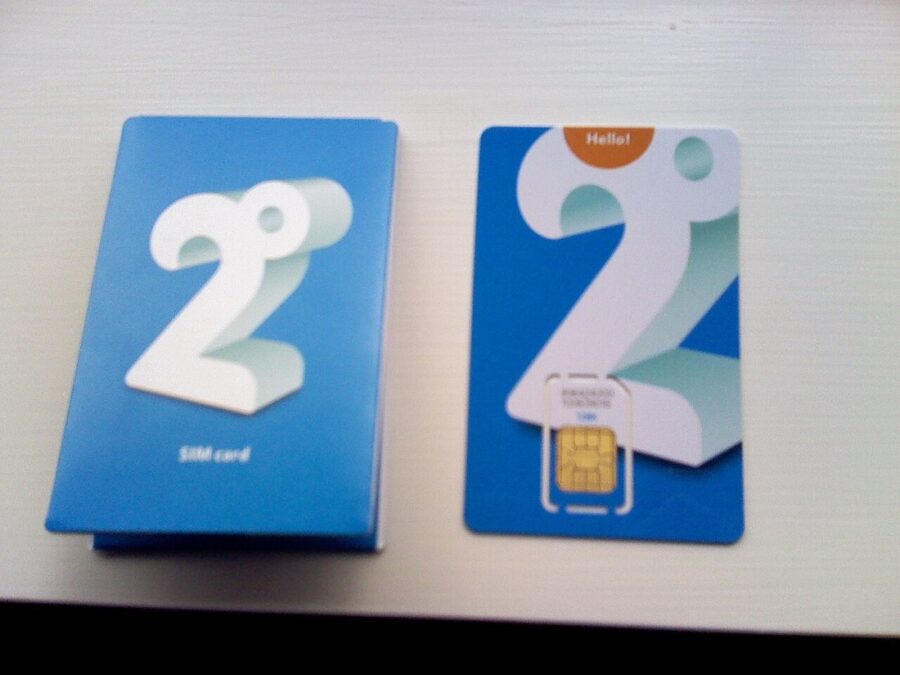
Then gather your porting details from your current carrier: the account number and a number transfer PIN, sometimes called a port-out PIN. Do not cancel your old service before the number moves, because canceling can release the number and make the transfer impossible. Order the new SIM card or activate an eSIM, enter the porting details carefully, and wait. Many ports complete within 15 minutes to a few hours, although some take up to 24 hours. Keep both services active during that window if you can, test calls, texts, and data on the new service, and only then confirm the old account is closed and check for a final bill.
Pitfalls to check before you pay
- Introductory pricing: a $15 rate for three months that jumps to $30 or $40 on renewal changes the math completely. Note the renewal date and price in your calendar.
- Autopay conditions: many advertised prices assume autopay and paperless billing. If you pay manually, you may pay $5 or $10 more.
- Taxes and fees: some plans include them, others add them at checkout. Compare the final total, not the headline.
- Customer service: support may be chat or email only, with longer waits than a carrier store. If you need in-person help, factor that in.
- International use: check roaming, international calling, and whether your plan works in Canada and Mexico if you travel there.
- Number and account security: set a strong account PIN with the new carrier and keep your transfer PIN private, because it is the key to moving your number.
Frequently asked questions
Is a prepaid MVNO as reliable as a major carrier?
For coverage, yes in most places, because you are using the same towers as the host network. For speed during congestion, not always: direct postpaid customers often get priority. If your area is not usually congested, you may never notice the difference.
Can I keep my phone number when I switch?
Yes, in most cases. You will need your current account number and a transfer PIN, and you should keep the old account active until the port completes. A failed port is usually caused by a wrong PIN or a locked account, both of which your old carrier can help fix.
Do I need a new phone?
No, provided your phone is unlocked and compatible with the new network. Most phones sold in the last few years work across carriers, but older or carrier-locked models may not support every band, so run the compatibility check before you order a SIM.
Is unlimited data really unlimited?
Your data does not usually stop, but it may slow down. Many unlimited plans reduce speeds after a high-usage threshold, cap hotspot data separately, or stream video at standard definition. “Unlimited” means no hard cutoff and no overage charge, not unlimited full-speed data in every situation.
Does prepaid service require a credit check?
Usually not. Because you pay in advance, most prepaid MVNOs do not run a credit check for service alone. Buying a phone on finance is different and may involve credit, which is one reason bringing your own paid-off phone keeps the process simple.
Conclusion
A prepaid MVNO is not a compromise for everyone, but it is a genuine alternative that deserves a fair look. If you have a phone you like, you know roughly how much data you use, and the host network covers your area well, the savings are real and immediate — often $30 to $60 a month for a single line, with no contract tying you down. Start by checking your last three months of data use, confirming your phone is unlocked, and trying a trial or a single month before you pay for a year upfront. That careful first month is the difference between a plan that simply looks cheap and one that actually fits your life.
Ready to see what you could save? Check your current bill, compare the host network that works best where you live, and try a prepaid MVNO for one month. If it works, keep the saving. If it does not, you can switch back or try another network — that freedom is the whole point.
