

Family meal planning is not about cooking perfect dinners every night. It is about deciding once, instead of five times, what your household will eat. When the plan is written down, the evening question changes from a stressful debate to a simple check: what is on the list for tonight? That small change can make weeknights calmer, grocery trips shorter, and meals more balanced, even when work, school, sports, and homework all compete for the same hours.
This guide explains how to build a realistic weekly plan for a family, not a restaurant. You will find practical ways to save money, use leftovers well, handle picky eaters, and involve children without turning dinner into a second job. For a visual guide to balanced plates, USDA MyPlate is a useful starting point, because it shows how vegetables, fruit, grains, protein, and dairy can fit together without strict rules or special products.
Why Family Meal Planning Saves Time, Money, and Stress
A plan works because it moves most decisions to a quiet moment, usually on the weekend, rather than the busiest moment of the day. At 6 p.m., tired adults and hungry children are not in the best position to choose a healthy meal, compare prices, or check what is already in the freezer. A plan removes that pressure. It also reduces the small, repeated costs of last-minute takeout, extra grocery trips, and ingredients bought for one meal and then forgotten.
More time on weeknights
When dinner is already chosen, you can start cooking right away, use ingredients you bought for that meal, and avoid a second trip to the store. Many families find that a 20-minute meal feels easy when the recipe is known, but the same meal feels impossible when it must first be invented. Keeping a short list of reliable meals, and repeating favorites every few weeks, is therefore a time strategy, not a lack of imagination.
Lower grocery bills
Planning makes shopping more focused. You buy what the plan needs, check the pantry first, and reuse ingredients across several meals. For example, a roast chicken can become sandwiches the next day, and cooked rice can become a quick fried rice later in the week. This approach also reduces food waste, which is one of the least visible but most expensive habits in many kitchens.
Calmer evenings and better balance
Children also benefit from predictability. When they know roughly what is coming, there is less negotiation at the table. Adults benefit too, because a plan leaves room for vegetables, whole grains, and protein instead of relying on whatever is fastest. The goal is not perfection. A week with five home-cooked meals, one simple freezer meal, and one takeout night can still be a successful week.
How to Build a Weekly Plan That Fits Your Family
Start with your calendar, not a cookbook. Look at practices, late meetings, school events, and evenings when someone will be home late. Put quick meals on busy nights, slower meals on days with more time, and a flexible meal on the day most likely to change. A plan that ignores real life will be abandoned, while a plan built around real life can survive a busy week.
Next, make a family favorites list. Ask each person to name five meals they enjoy, including at least one they would happily eat every week. Add two or three easy backup meals, such as pasta with tomato sauce, bean tacos, or soup with bread. Most weeks can then be built from this list, with only one or two new recipes added. That balance keeps cooking manageable and gives children a sense of choice.
A simple weekly structure
Theme nights can remove decision fatigue without making meals boring. A family might use pasta on Monday, tacos on Tuesday, a sheet-pan dinner on Wednesday, soup on Thursday, and a build-your-own meal on Friday. The theme stays the same, but the details change: different sauces, vegetables, proteins, or toppings keep the week varied. Breakfast and lunch do not need the same detail as dinner, but a loose plan for them prevents morning scrambling. Overnight oats, yogurt with fruit, sandwiches, and leftovers can cover most days.
Write the plan where everyone can see it, whether that is on the refrigerator, a shared phone note, or a whiteboard in the kitchen. When children can read the plan, they can also help prepare for it, and adults are less likely to be asked the same question every afternoon. Keep the plan visible for one week only. A new plan each week is easier to adjust than a rigid monthly chart.
Budget Tips That Do Not Feel Like Sacrifice
A food budget does not require dull meals. It requires a few habits that are repeated often enough to matter. Shop with a list based on the plan, and try to shop once a week rather than stopping daily. Daily trips often add snacks and impulse items that were never planned. Check unit prices for staples, compare fresh and frozen vegetables, and buy pantry items in larger sizes only when you know they will be used before they expire.
Use inexpensive, filling ingredients as the base of meals, and let meat, cheese, or seafood add flavor rather than carry the whole dish. Beans, lentils, eggs, rice, oats, potatoes, and seasonal vegetables are versatile and affordable. Frozen vegetables are especially useful because they are already washed and cut, they keep for weeks, and they can be added to soups, pasta, stir-fries, and sheet-pan meals without extra planning. Seasonal produce usually tastes better and costs less, so let what is in season shape at least part of the menu.
Finally, protect your budget from the most common leak: food that is bought but never eaten. Store leftovers in clear containers, label them with the date, and plan one leftover night each week. If a meal does not get eaten, ask why. Was the portion too large, the timing wrong, or the recipe simply not a favorite? A good plan learns from the previous week instead of repeating the same mistake.
Batch Cooking and Leftovers, Done Safely
Batch cooking means cooking a larger amount once and using it in different ways, not eating the same plate for four nights. A large pot of tomato sauce can serve pasta on Monday and become a base for soup or a topping for baked potatoes later. Roasted vegetables can be added to grain bowls, wraps, or omelets. Cooked chicken can appear in tacos, salads, and sandwiches, with different sauces and sides each time.
Keep food safety simple and consistent. Cool cooked food promptly, store it in shallow containers, and refrigerate leftovers within two hours. Most cooked leftovers should be eaten within three to four days, while food meant for later should go into the freezer on the same day it is cooked. Label freezer meals with the name and date, and use the oldest items first. When reheating, heat food until it is steaming hot throughout, and avoid reheating the same leftovers more than once.
A short weekend prep session can also help, even if you do not cook full meals in advance. Wash and chop vegetables, cook a grain, make a dressing, and portion snacks for lunchboxes. Ninety minutes of preparation can save much more time during the week, and it makes a quick dinner possible on nights when energy is low. If full batch cooking feels overwhelming, start with just one doubled recipe per week.
Picky Eaters and Different Dietary Needs
Picky eating is common, and it does not mean a family needs separate menus for every person. Build-your-own meals are one of the most useful solutions. Tacos, pasta bowls, grain bowls, baked potatoes, and pizza nights let each person choose toppings and portions while the family still eats the same basic meal. This approach gives children control without turning parents into short-order cooks.
For new foods, keep portions small and pressure low. A child who is asked to taste one bite is more likely to stay calm than a child who is told to finish a full serving. Repeat exposure matters: many children need to see a food several times before they accept it. Serving a familiar food alongside a new one also helps, because the meal still feels safe even if the new item is not finished.
Dietary needs require clear planning, but they can be handled with the same structure. If one family member avoids gluten, dairy, nuts, or meat, choose a naturally suitable base meal and add toppings separately, rather than cooking two completely different dinners. Keep labels and ingredients visible when allergies are involved, and avoid cross-contact by using clean utensils and separate serving spoons where needed. When a medical condition or allergy is involved, advice from a qualified health professional is more reliable than general meal ideas online.
A Worked Example: One Family Week
The following week is designed for a family of four with two busy weeknights. It uses repeat ingredients, one batch meal, and one leftover night. Adjust portions and flavors to suit your household, and swap days when the calendar changes.
- Monday: Chicken and vegetable sheet-pan dinner with roasted potatoes and green beans. Make extra chicken for later in the week.
- Tuesday: Pasta with tomato sauce, white beans, and spinach, plus a simple salad. This is a fast meal for a busy evening.
- Wednesday: Taco night with seasoned chicken or beans, tortillas, shredded cabbage, cheese, salsa, and lime. Everyone builds their own plate.
- Thursday: Leftover night. Use remaining chicken and roasted vegetables in grain bowls or wraps, with different sauces and toppings.
- Friday: Homemade pizza with a simple base, tomato sauce, mozzarella, and vegetables that need using up. Children can choose their own toppings.
- Saturday: Slow-cooker beef or lentil stew with bread and a green salad. Start it earlier in the day so the evening stays relaxed.
- Sunday: Batch cooking day. Make a large pot of soup or chili, cook rice, and prepare chopped vegetables for the coming week.
Notice how the plan is not built from seven new recipes. It repeats chicken, uses beans and grains for affordable meals, and leaves room for leftovers. If a day goes wrong, swap it with the leftover night rather than abandoning the whole week. Flexibility is part of a good plan, not a failure of one.
Getting Kids Involved Without Slowing Dinner Down
Children who help choose and prepare food are often more willing to try it. That does not mean every child must cook every night. Give each child a job that matches their age and the time available: washing fruit, tearing lettuce, stirring a sauce, setting the table, or choosing between two vegetables for tomorrow. Small, regular jobs build confidence and reduce the feeling that dinner is something done to them.
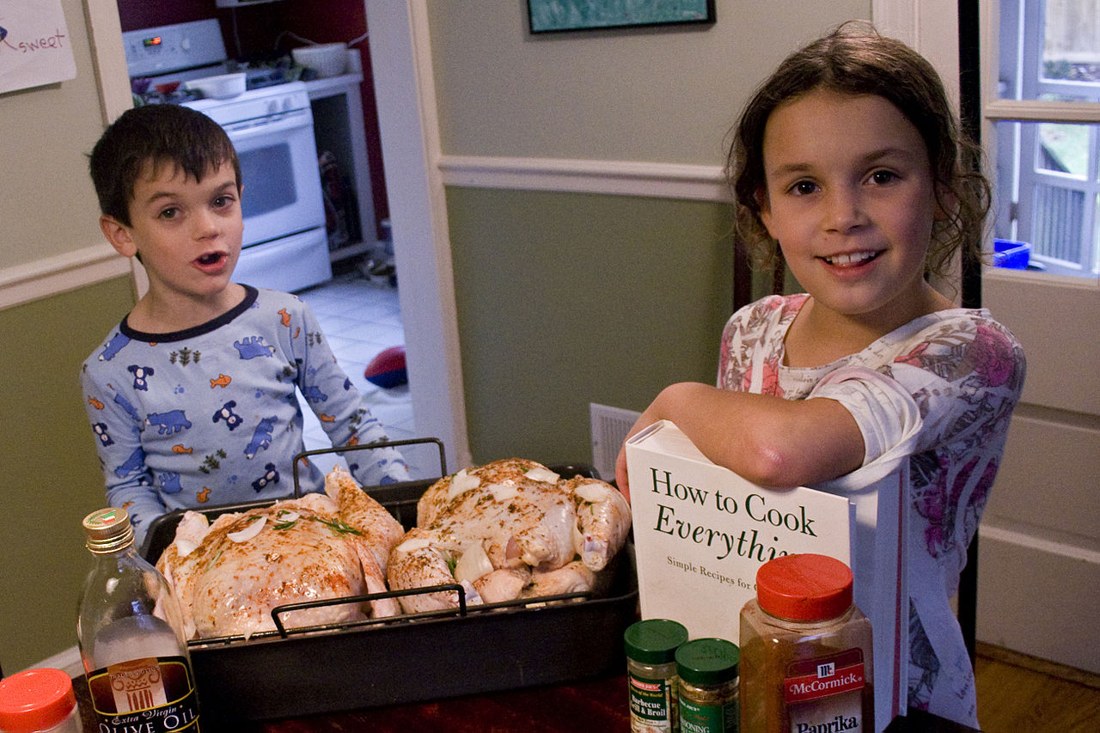
Keep the kitchen routine calm by preparing ingredients before children join in, and by choosing one task rather than the whole recipe. A child can help make a salad while an adult handles the hot stove, for example. Praise effort and curiosity, not just a clean plate. Over time, children learn basic skills, such as measuring, washing produce, and reading a simple recipe, that make them more independent and more interested in family meals.
Children can also help with planning. Let them pick one dinner each week from the family favorites list, or give them a choice between two new recipes. When they feel heard, they are less likely to reject the meal before tasting it. If a chosen meal is not a success, treat it as useful information for next week, not as a reason to stop involving them.
Frequently Asked Questions
How much time does family meal planning take each week?
Most families need 20 to 40 minutes to plan meals and write a shopping list, plus optional prep time on the weekend. The first few weeks take longer, because you are building a favorites list and learning what works. After that, planning becomes faster, especially if you repeat successful weeks and change only a few meals at a time.
What if my children refuse almost everything I plan?
Start with meals they already accept, and add only one small change at a time. Build-your-own meals, familiar sides, and low-pressure tasting can help. Avoid making a completely separate dinner for each child, because that increases work and teaches children that refusal always brings a replacement. Consistency, patience, and repeated exposure usually work better than pressure.
Is it cheaper to plan meals or just buy what looks good?
Planning is usually cheaper because it reduces impulse purchases, duplicate ingredients, and wasted food. A shopping list tied to specific meals helps you use what you buy before it spoils. The savings may be small in one week, but they add up across a month, especially when leftovers and pantry staples are used well.
How do I plan meals for different ages and appetites?
Use the same base meal and adjust portions, textures, and toppings. Younger children may need softer vegetables, smaller pieces, and milder seasoning, while teenagers may need larger portions and extra snacks. Serving food family-style, with dishes in the middle of the table, lets each person take what suits them without extra cooking.
What should I do when the plan falls apart?
Keep a backup meal that is always available, such as pasta, eggs, canned beans, or frozen vegetables with rice. Swap days, use leftovers early, or simplify the planned meal rather than skipping it entirely. A missed day does not cancel the rest of the week. Return to the plan at the next meal and adjust next week based on what actually happened.
Start This Week, Not Next Month
You do not need a perfect system to benefit from planning. Choose three dinners you already know how to cook, add one simple new idea, plan one leftover night, and write a shopping list from that short plan. Put the plan on the refrigerator, shop once, and see how the week feels. Small improvements, repeated weekly, are more useful than an ambitious plan that lasts only two days.
For more general ideas that can be adapted for a household, see Meal Planning Ideas: A Simple Guide for Busy Weeks. Use it alongside this family-focused plan to build a routine that fits your schedule, budget, and tastes. This article is for general information only and is not medical advice. If you have a health condition, allergy, or specific dietary need, talk to a qualified professional about what is right for you.
Begin this Sunday with a short planning session, a visible list, and one meal your family already loves. By next week, you will know what to keep, what to change, and what to cook again. That is how a simple weekly plan becomes a lasting family habit.
