The best cleaning hacks are not about buying a shelf full of sprays. They are about working smarter: loosening dirt before you scrub it, cleaning in the right order, and using simple tools well. Most homes get dirty in predictable places, so a few reliable habits can cut your weekly cleaning time without leaving corners half-done.
This guide focuses on practical, low-cost methods that work in real homes. You will find room-by-room ideas, a short routine for busy days, and the safety rules that matter most. No method here needs a specialist product, and most use items you probably already own.
Kitchen Cleaning Hacks That Save Time
Start at the top and work down. Wipe light fittings and the tops of cabinets first, then counters, then the floor last. That way crumbs and dust fall onto surfaces you have not cleaned yet, instead of onto a floor you just mopped.
For greasy stovetops, let a warm, damp cloth sit on the surface for five minutes before wiping. Heat and moisture soften grease far better than hard scrubbing, and you are less likely to scratch the finish. For a microwave, heat a bowl of water with lemon slices for three minutes, leave the door closed for another two, then wipe. The steam loosens splashes so they lift easily.
Choose products with care, especially around food surfaces. If you want a lower-risk option, look for products that carry a recognized safer-product label. The U.S. Environmental Protection Agency explains what its Safer Choice label means and how to check products that meet its criteria. Always read the label anyway, because even a gentler cleaner needs the right contact time and rinsing.
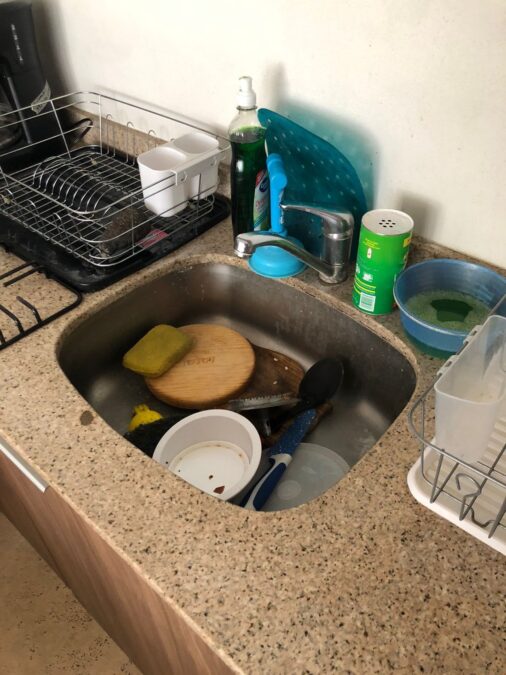
Keep the sink area working well by wiping it dry after the last wash of the day. Water left around taps leaves mineral marks and encourages grime. A quick dry takes seconds and keeps stainless steel looking far better than a weekly deep scrub alone.
Bathroom Cleaning Hacks
Bathrooms respond well to dwell time. Spray the shower, tiles, and toilet, then clean the mirror and tidy the counter while the cleaner works. By the time you return, soap scum and toothpaste marks will be much easier to remove.
For showerheads clogged with limescale, soak the head in white vinegar for an hour, then rinse and run the shower for a minute. For grout, make a paste of baking soda and a little water, apply it with an old toothbrush, leave it for ten minutes, and rinse. Test any method in a small, hidden spot first, especially on natural stone.
Prevent most bathroom buildup by squeegeeing the shower glass after use and leaving the door or curtain open so it dries. Ventilation matters more than extra chemicals. A fan or an open window reduces moisture, and less moisture means less mould-friendly grime.
Floor Cleaning Hacks
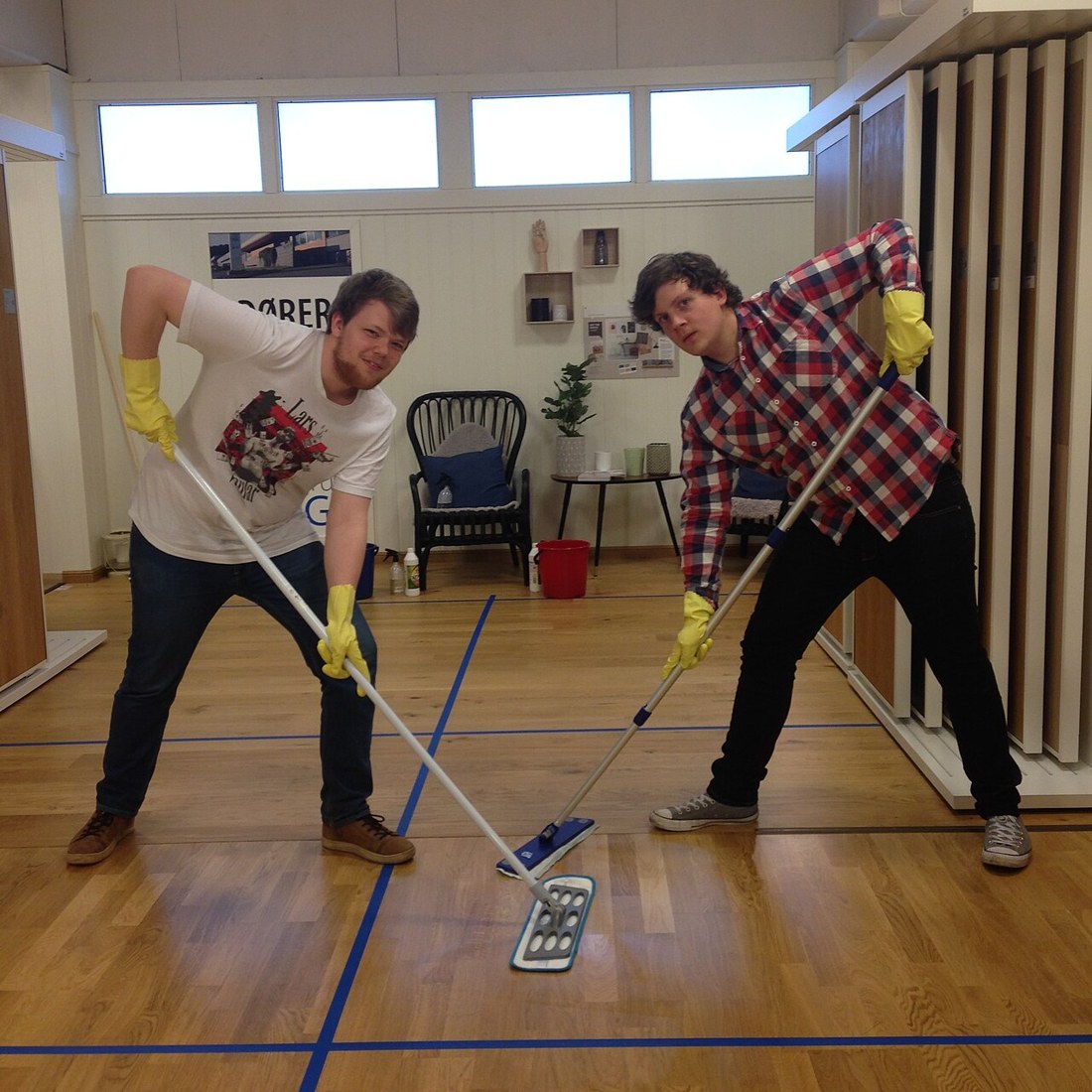
For hard floors, dry-clean first. Sweep or vacuum before mopping, because wet dirt turns into mud and spreads. Work in small sections, wring the mop often, and change dirty water rather than pushing it around. Floors dry faster and stay cleaner when you use less water, not more.
For carpets, vacuum slowly, especially in high-traffic areas. A fast pass only picks up surface dust. For a fresh smell without a heavy fragrance, sprinkle baking soda lightly, leave it for 20 minutes, then vacuum thoroughly. Treat spills quickly by blotting, never rubbing, because rubbing pushes liquid deeper into fibres.
A Simple Order for Every Room
Declutter first, dust second, wipe third, and vacuum or mop last. This order prevents rework. If you clean a room in a different order every time, you will often clean the same surface twice or drop dust onto a just-cleaned floor. Consistency is what makes a routine fast.
Laundry Hacks That Protect Clothes
Sort by fabric and soil level, not just colour. Towels and heavy items need a different cycle from delicates, and washing a lightly soiled shirt with muddy work clothes can transfer dirt and odour. Turn jeans and printed tops inside out to reduce fading and friction.
Do not overload the machine. Clothes need room to move so water and detergent can reach them. If the drum is packed tight, cleaning suffers and clothes come out creased. For odours in gym clothes, wash promptly and dry fully; damp clothes left in the machine quickly develop a musty smell.
Fold or hang clothes straight from the dryer when possible. That single habit prevents a pile of wrinkles and saves ironing time later. Keep a small stain kit near the machine: a clean cloth, a gentle stain remover, and a note of what worked for common stains.
Time-Saving Cleaning Routines
A ten-minute daily reset is more effective than waiting for a whole house to become overwhelming. Set a timer, pick one clear task per room, and stop when the timer ends. Clear counters, put stray items in a basket, wipe the bathroom sink, and take out rubbish. Small daily effort keeps deep cleaning short.
On busy weeks, rotate deeper tasks instead of trying to do everything at once. Clean the kitchen properly on one day, the bathroom on another, and floors on a third. This spreads the work and keeps every room at an acceptable level. If starting is the hard part, use a short motivational plan alongside your routine: our guide to cleaning motivation hacks offers simple ways to begin when energy is low.
Keep cleaning tools where you use them. A bathroom caddy, a kitchen cloth, and a vacuum that is easy to reach will all get used more than tools stored in a distant cupboard. The less friction there is between noticing a mess and fixing it, the cleaner the home stays.
Cheap Supplies That Actually Work
You do not need a different bottle for every surface. A small kit covers most jobs: microfibre cloths, a non-scratch sponge, white vinegar, baking soda, washing-up liquid, and a good all-purpose cleaner for your surfaces. Microfibre cloths trap dust and grease better than paper towels, and they can be washed and reused many times.
Label any homemade mix clearly and keep it away from children and pets. Use vinegar mainly for limescale and glass, not as a cure-all. Use baking soda as a gentle abrasive for sinks and tubs. For most daily cleaning, warm water and washing-up liquid are enough; stronger products are for specific jobs, not every wipe.
What Not to Mix or Damage
Never mix bleach with vinegar, ammonia, or other cleaners. That combination can create harmful gases, even in small amounts. Never mix two different drain cleaners, and never use bleach on a surface after another cleaner without rinsing and ventilating first. If a product label warns against mixing, follow it exactly.
Protect surfaces by testing first. Vinegar can damage natural stone, waxed wood, and some grout sealers. Abrasive pads can scratch stainless steel, nonstick coatings, and acrylic tubs. Bleach can discolour fabrics and grout. When in doubt, use the gentlest method that works and check the care guide for the item.
Ventilate rooms while cleaning, wear gloves for strong products, and store chemicals upright with caps closed. Keep cleaning products in their original containers so warnings and first-aid information stay available. That simple habit prevents most common mistakes.
Frequently Asked Questions
How often should I deep clean my home?
Most homes benefit from a light clean weekly and a deeper clean every month. Kitchens and bathrooms need more frequent attention because they collect moisture, food residue, and bacteria. Adjust the schedule to pets, children, allergies, and how much time the home is occupied.
What is the fastest way to clean a messy room?
Start by removing everything that does not belong in the room. Then dust from top to bottom, wipe surfaces, and finish with the floor. A basket helps you gather stray items quickly without stopping to put each one away. Set a timer so the task stays focused.
Can vinegar and baking soda clean everything?
No. They are useful for some jobs, such as limescale and light deodorising, but they do not disinfect reliably on their own and can damage some surfaces. Use them where they suit the material, and use a suitable disinfectant when hygiene matters, following its label directions.
How do I keep a home clean with pets?
Vacuum high-traffic areas more often, wash pet bedding regularly, and keep a lint roller near the door. Wipe paws after wet walks to reduce mud indoors. A washable throw over a favourite chair protects furniture and is easier to clean than the chair itself.
Should I clean or declutter first?
Declutter first. Cleaning around piles takes longer and leaves dust behind objects. Once surfaces are clear, you can wipe, dust, and vacuum properly in one pass. Even a five-minute declutter makes the rest of the job noticeably easier.
Conclusion: Start Small and Stay Consistent
A clean home is usually the result of small, repeated actions rather than one heroic weekend effort. Pick one habit from this guide, such as the ten-minute reset or wiping the sink dry at night, and practise it for a week. Once it feels automatic, add another. Over time, those habits do more than any single product can.
Try one room today using the order in this guide: declutter, dust, wipe, then finish the floor. You may be surprised how much calmer a tidy space feels, and how little time it takes when the method is clear.
Start small, stay consistent, and let the routine do the heavy work.