

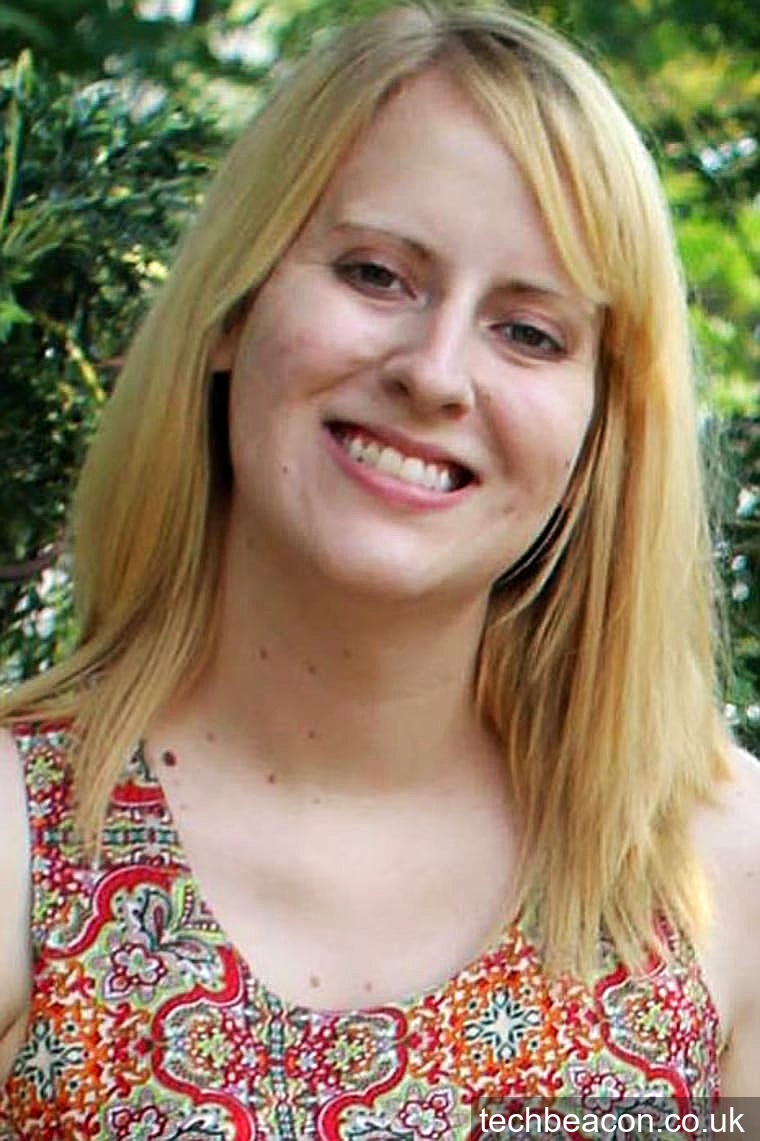
Chelsea Bruck was a 22-year-old American woman from Monroe County, Michigan, whose tragic disappearance in October 2014 sparked one of the largest missing person searches in the state’s recent history. Known for her creative spirit, warm personality, and love for music and arts, she vanished after attending a massive Halloween costume party in Frenchtown Township. For six agonizing months, her family, friends, and thousands of local volunteers searched relentlessly across Southeast Michigan to find answers.
The mystery of what happened to Chelsea Bruck drew national media attention and mobilized a deeply committed community. Her distinct handmade Poison Ivy Halloween costume became a vital piece of evidence in the law enforcement investigation that eventually led to the discovery of her remains in April 2015 and the subsequent arrest and conviction of her killer. Today, people continue to search for information regarding her biography, her family, the timeline of events, and the legal legacy of her case.
| Information | Details |
|---|---|
| Full Name | Chelsea Ellen Bruck |
| Known As | Chelsea Bruck |
| Date of Birth | April 10, 1992 |
| Birthplace | Monroe County, Michigan, United States |
| Zodiac Sign | Aries |
| Nationality | American |
| Ethnicity | Caucasian |
| Education | Maybee, Michigan Local Schools / Monroe County Community College |
| Famous For | Subject of a major 2014 missing person search and homicide investigation in Michigan |
Who Was Chelsea Bruck? Early Life and Background
Chelsea Bruck was born on April 10, 1992, in Monroe County, Michigan. She grew up in a tight-knit family in Maybee, Michigan, surrounded by supportive parents and five siblings. From an early age, she exhibited a strong artistic streak, enjoying music, craftwork, and cosplay design. Those who knew her described her as kind-hearted, quiet yet outgoing among close friends, and deeply dedicated to her family and pets.
After completing her secondary education, Chelsea pursued studies at Monroe County Community College while working locally. She was known for her independent work ethic and her passion for attending local concerts, festivals, and themed gatherings. When researching online databases, readers occasionally encounter distinct figures with similar names, such as former Canadian soccer player Chelsea Buckland, though Chelsea Bruck’s legacy is tied directly to the heartbreaking events in Michigan true crime history.
The Night of October 25, 2014: The Halloween Party
On Saturday night, October 25, 2014, Chelsea Bruck attended a large outdoor Halloween party held at a rural property on Post Road in Frenchtown Township, Michigan. The event was a popular annual gathering featuring musical performances that attracted over 600 guests from surrounding counties and states. For the occasion, Chelsea spent weeks crafting a detailed Poison Ivy costume, which included a green leaf-patterned bodice, dark leggings, and a vibrant red wig.
During the party, Chelsea lost track of the friends she had arrived with. As the night progressed into the early morning hours of Sunday, October 26, her glasses were accidentally broken, leaving her with severe visual impairment without her corrective lenses. Eyewitnesses reported seeing her walking around the party grounds late at night looking for a ride home. She was last seen in the parking lot area between 3:00 AM and 4:00 AM, after which she disappeared without a trace.
The Massive Community Search and Investigation (2014–2015)
When Chelsea failed to return home on Sunday, her family immediately reported her missing to the Monroe County Sheriff’s Office. Recognizing the urgency, local law enforcement launched a comprehensive search operation. Hundreds of volunteers, law enforcement officers, search dogs, and helicopter crews systematically combed through fields, wooded areas, and nearby waterways throughout Frenchtown Township and surrounding areas.
The investigation faced major challenges due to the sheer size of the Halloween party and the hundreds of out-of-town attendees. Law enforcement established a dedicated tip line and conducted hundreds of interviews. Chelsea’s family organized massive flyer distributions, social media campaigns, and public rallies under the banner “Help Find Chelsea Bruck.” Her picture and costume details were shared millions of times across the United States, making her case one of the highest-profile missing person investigations in the Midwest during late 2014 and early 2015.
Discovery of Evidence and Chelsea Bruck’s Remains
The first major breakthrough in the case occurred in March 2015, approximately five months after Chelsea vanished. Construction workers doing work near an industrial site in Flat Rock, Michigan—roughly 15 miles from the party location—discovered discarded clothing matching Chelsea’s unique handmade Poison Ivy costume. Forensic testing confirmed that the items belonged to Chelsea, providing critical physical evidence that shifted the investigation toward a homicide inquiry.
On April 24, 2015, a landowner clearing a wooded, marshy plot of land off East Dunbar Road in Ash Township, Michigan, discovered human remains partially concealed by debris. Authorities quickly secured the scene, and dental records officially identified the remains as Chelsea Bruck. Medical examiners subsequently determined her cause of death as blunt force trauma to the head, accompanied by multiple facial fractures, confirming that she had been murdered on the night she disappeared.
Law Enforcement Investigation and the Arrest of Daniel Clay
Following the recovery of Chelsea’s remains and costume, forensic experts from the Michigan State Police Crime Lab focused on retrieving DNA evidence from the recovered clothing. Advanced DNA testing yielded a male DNA profile on the interior lining of Chelsea’s costume pants. Investigators compared the sample against state and national offender databases, but initial searches produced no immediate match.
In July 2016, a breakthrough occurred when the Michigan State Police Crime Lab re-ran the DNA profile following a routine database update. The sample matched 27-year-old Daniel Clay, a resident of Newport, Michigan, who had recently been entered into the state database following an unrelated criminal arrest. On July 22, 2016, detectives picked up Daniel Clay for questioning. During a recorded interrogation, Clay admitted that he had given Chelsea a ride from the Halloween party in his vehicle, but claimed her death was an accidental occurrence during a consensual encounter. Investigators quickly refuted his claims based on the severe physical trauma documented in the autopsy report.
The Trial, Conviction, and Legal Outcome
In May 2017, the trial of Daniel Clay began in Monroe County Circuit Court. Prosecutors presented compelling evidence, including the matching DNA samples, forensic crime scene testimony, and expert medical testimony demonstrating that Chelsea suffered severe head injuries inconsistent with any accidental claim. The prosecution argued that Clay targeted Chelsea while she was vulnerable, isolated, and unable to see properly without her glasses, before assaulting and killing her.
On May 16, 2017, after a multi-day trial, the jury deliberated for less than two hours before finding Daniel Clay guilty of first-degree felony murder and open murder. On July 13, 2017, the judge sentenced Daniel Clay to mandatory life imprisonment without the possibility of parole. Subsequent appeals by the defense were systematically reviewed and denied by the Michigan Court of Appeals and the Michigan Supreme Court, bringing final legal closure to the case.
Media Coverage, True Crime Shows, and Cultural Impact
The tragedy of Chelsea Bruck became the subject of extensive national media coverage. Major investigative news programs and true crime documentary series featured her case to highlight safety awareness at large public events, the power of community advocacy, and the critical role of modern forensic DNA testing in solving cold cases. Programs on networks like Oxygen, Investigation Discovery (ID), and CBS News’ 48 Hours produced dedicated episodes examining the timeline of her disappearance and the investigative work that brought her killer to justice.
This enduring public interest in verified biographical stories and criminal justice cases demonstrates how digital media keeps important personal histories alive. Much like detailed analytical features on historical personalities or profile stories of individuals connected to widely publicized public events, articles about Chelsea Bruck continue to inform the public about victim advocacy and community resilience.
The Legacy of Chelsea Bruck
Despite the heartbreaking conclusion to her story, Chelsea Bruck’s legacy endures through community initiatives and advocacy work established in her memory. Her family transformed their grief into actionable support for other families facing the nightmare of a missing loved one. They participated in public safety awareness forums and worked alongside local law enforcement to improve search-and-rescue communication protocols.
In Monroe County, Chelsea is remembered as a vibrant young woman whose life was tragically cut short, but whose story brought an entire community together in solidarity. Local organizations and artistic initiatives continue to celebrate her creative spirit, reminding the public of the importance of vigilance, mutual support, and honoring the memory of victims of violent crime.
Frequently Asked Questions About Chelsea Bruck
Who was Chelsea Bruck?
Chelsea Bruck was a 22-year-old woman from Monroe County, Michigan, who mysteriously disappeared after attending a Halloween party in October 2014. Her missing person case attracted national attention until her remains were found in April 2015, leading to a murder investigation and the conviction of her killer.
When did Chelsea Bruck go missing?
Chelsea Bruck went missing in the early morning hours of October 26, 2014, after attending an outdoor Halloween costume party on Post Road in Frenchtown Township, Monroe County, Michigan.
How was Chelsea Bruck found?
In March 2015, pieces of Chelsea’s handmade Poison Ivy costume were found near an industrial site in Flat Rock, Michigan. On April 24, 2015, a property owner clearing land in Ash Township, Michigan, discovered her remains in a wooded area.
Who was convicted in the Chelsea Bruck case?
Daniel Clay was arrested in July 2016 after DNA found on Chelsea’s costume matched his profile in a law enforcement database. He was convicted of first-degree felony murder in May 2017 and sentenced to life in prison without parole.
What costume was Chelsea Bruck wearing when she vanished?
Chelsea was wearing a distinctive, handmade Poison Ivy costume consisting of a green leaf-patterned top, dark leggings, and a bright red wig. The unique costume served as a crucial piece of physical evidence during the police investigation.
Where was Chelsea Bruck from?
Chelsea Bruck was born and raised in Monroe County, Michigan, living with her family in the rural community of Maybee, Michigan, prior to her passing in 2014.
What is the legal status of the perpetrator today?
Daniel Clay is currently serving a sentence of life imprisonment without the possibility of parole at a Michigan state correctional facility following his 2017 murder conviction, with all subsequent appeals being denied.
Why is Chelsea Bruck’s case widely remembered?
Chelsea Bruck’s case is widely remembered due to the massive six-month community search effort, the extensive true crime media coverage, the unique costume evidence, and the crucial role advanced forensic DNA evidence played in identifying her attacker.
Conclusion
The story of Chelsea Bruck remains one of the most poignant true crime narratives in Michigan’s history. From her early life as a creative young woman in Monroe County to the heartbreaking search that united thousands of community members, her memory continues to evoke deep empathy and respect. Through forensic diligence and persistent law enforcement efforts, justice was ultimately served, ensuring that her killer was held accountable. Today, Chelsea Bruck is remembered not only for the tragedy that ended her life, but for the warmth, creativity, and unity she inspired in her community.
