

The Historical Heart of Argentine Comfort Food
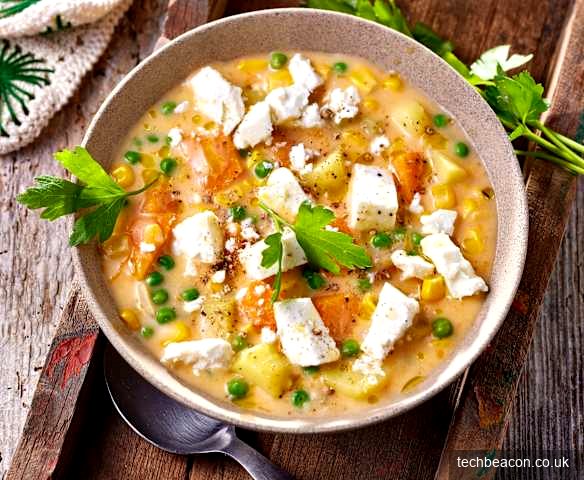
As winter winds sweep across the pampas or chilly evening air settles over bustling city streets, nothing offers quite the same soul-warming embrace as a steaming bowl of traditional Argentine stew. Originating long before the arrival of Spanish colonizers, the thick, slow-simmered stew known as locro has warmed the hearts and filled the stomachs of South Americans for centuries. This culinary masterpiece is widely recognized as one of the national dishes across several Andean and neighboring nations, including Peru, Bolivia, Ecuador, Chile, Paraguay, Southwest Colombia, and, most famously, Northwest Argentina. While each region boasts its own localized adaptation of the recipe, the Argentine version has achieved legendary status for its remarkably rich, thick, and meat-heavy profile that transforms humble agricultural ingredients into a feast fit for a king.
In Argentina, this dish is not merely a meal; it is a profound cultural ritual tied intimately to patriotism, family gatherings, and historical identity. If you are shivering on a chilly autumn afternoon and searching for the best locro argentino near me, you are seeking more than just a culinary experience; you are searching for a piece of Argentine heritage. The preparation of this dish is historically associated with the country’s struggle for independence, making it the definitive meal of choice during national holidays. Understanding the deep roots of this dish helps diners appreciate the incredible labor of love that goes into preparing every single bowl served by passionate chefs and home cooks alike.
Unlike lighter vegetable soups found in other parts of South America, the Argentine variety is characterized by its heavy, velvety texture, achieved through hours of patient simmering. The secret lies in the slow breakdown of starches, which naturally thicken the broth without the need for artificial binders or flour. Historically, the indigenous Peoples of the Andes relied on native pumpkins, white corn, and local beans, which were later combined with European meats brought over by settlers, such as pork and beef. This beautiful fusion of culinary worlds created a robust stew that remains a cornerstone of Argentine gastronomy, preserved carefully through generations of family recipes.
The Essential Ingredients of an Authentic Recipe
To truly understand what separates an average soup from a spectacular national delicacy, one must examine the specific, traditional ingredients that make up the backbone of this slow-cooked stew. The foundation of any authentic Argentine recipe relies on two key starches: *maíz blanco* (dried white hominy corn) and *porotos alubias* (white beans). These ingredients must be meticulously soaked in water for at least twelve hours before cooking to ensure they soften perfectly during the long simmering process. Alongside these starches is *zapallo plomo*, a specific variety of large, grey-skinned pumpkin with dense, sweet orange flesh. As the stew simmers for hours, the pumpkin completely disintegrates into the liquid, lending the broth its signature golden-yellow hue and a subtle, earthy sweetness that balances the rich meats.
The meat selection is where the Argentine variation truly sets itself apart from its continental neighbors. A traditional recipe calls for an array of pork and beef cuts, many of which were historically considered cheaper offcuts but are vital for depth of flavor. These include *panceta* (cured pork belly), *falda* (beef flank or short ribs), *patitas de chancho* (pig’s trotters), and *cuerito de cerdo* (pork skin). Additionally, the inclusion of *chorizo colorado*—a highly seasoned, cured pork sausage packed with smoked paprika—infuses the entire stew with a deep, smoky undertone. The collagen from the pork trotters and skin melts into the broth over several hours, giving the stew an extraordinarily rich, silky mouthfeel that cannot be replicated with standard cooking techniques.
Because the traditional preparation of this dish is incredibly labor-intensive and requires hours of constant stirring to prevent the heavy starches from scorching at the bottom of the pot, many modern food lovers prefer to leave the preparation to the experts. Knowing the complex chemistry of these ingredients can help you identify a truly authentic preparation when looking for the best locro argentino near me. If a restaurant serves a version that is thin, watery, or lacks the signature orange-golden color of fully dissolved pumpkin, it is a clear sign that they have taken shortcuts, bypassing the essential hours of slow simmering required to achieve perfection.
How to Find the Best Locro Argentino Near Me
If you find yourself craving this incredible comfort food, finding an authentic bowl can sometimes feel like a daunting task, especially if you live outside of South America. In Argentina, particularly in metropolitan areas like Buenos Aires, the search is highly seasonal and deeply tied to the community. During patriotic holidays, such as May 25th (May Revolution) and July 9th (Independence Day), you do not need to look far. Local wisdom suggests that you simply walk around residential neighborhoods and look for any local soccer club, fire station, church, or small corner bodega with a hand-written cardboard sign hanging outside that simply says “Locro.” Buying a container from these neighborhood pop-ups guarantees a rustic, homemade taste that captures the true essence of Argentine home cooking.
For those living abroad in cities across the United States, Europe, or other parts of the world, finding this dish requires a bit more digital detective work and strategic planning. This is where searching for the best locro argentino near me online becomes an invaluable tool, connecting you with local Argentine diaspora communities, authentic *parrillas* (steakhouses), and boutique empanada shops. Because many overseas Argentine restaurants only prepare this labor-intensive dish on specific weekends, holidays, or during the colder winter months, checking their social media pages or calling ahead is highly recommended. Many establishments will announce their batch schedule weeks in advance, allowing eager diners to pre-order portions before they inevitably sell out.
When searching for local sources, keep an eye out for restaurants that explicitly mention using imported Argentine ingredients, such as real *maíz blanco* and authentic *chorizo colorado*. Authentic Argentine steakhouses, cultural centers, and specialized Latin American bakeries are your best bets. Reading customer reviews can also yield hidden gems; look for comments written by Argentine expats praising the restaurant’s holiday menu, as their seal of approval is the ultimate test of authenticity. By targeting your search toward these specialized establishments, you can enjoy a comforting bowl of stew that tastes exactly as if it were served in a traditional *peña* in Salta or Tucumán.
The Cultural Significance of Locro: National Holidays and Peñas
To truly appreciate this dish, one must understand that it is far more than just sustenance; it is a celebration of national solidarity and historical remembrance. In Argentina, the consumption of this hearty stew is deeply intertwined with the country’s struggle for independence from Spanish rule. During the cold days of May 1810, as citizens gathered in the plaza to demand a free government, humble street vendors distributed hot bowls of corn-and-meat stew to keep the crowds warm and united. Today, eating it on May 25th and July 9th is a patriotic duty and a cherished tradition, bringing families together around large, steaming pots to toast to their shared history and culture.
This dish is also the undisputed star of *peñas*—traditional folk music clubs and social gatherings that are particularly popular in the northwestern provinces of Argentina, such as Salta, Jujuy, and Tucumán. In these lively, rustic venues, locals gather to play acoustic guitars, sing *folclore* songs, dance the *chacarera*, and share large pitchers of red wine. In this setting, bowls of piping-hot stew are served alongside spicy empanadas, creating an atmosphere of warmth, community, and joy. The slow-cooked meal serves as the perfect fuel for a long night of dancing, singing, and storytelling, reinforcing social bonds and keeping regional traditions alive.
Even if you are enjoying this meal in a quiet restaurant thousands of miles away from Buenos Aires, the cultural weight of the dish remains intact. When searching for the best locro argentino near me, you are actively participating in this beautiful tradition of warmth and community. A true Argentine establishment will often recreate this festive atmosphere during patriotic holidays, complete with folk music playing in the background, Argentine flags draped over the tables, and a lively, welcoming energy that makes every customer feel like family.
The Crucial Role of Quiquirimichi and Side Elements
No discussion of this classic dish would be complete without highlighting its essential accompaniment: *quiquirimichi*. This is a vibrant, intensely flavorful spicy sauce that is drizzled over the top of the stew right before eating. Because the base stew is naturally sweet from the pumpkin and rich from the various pork and beef fats, it requires a sharp, acidic, and spicy contrast to cut through the heavy textures. *Quiquirimichi* is typically made by gently heating oil, lard, or rendered pork fat with a generous amount of green onions, sweet paprika (*pimentón dulce*), ground chili flakes (*ají molido*), a touch of cumin, and a splash of vinegar or water.
When served correctly, a bright red-orange pool of this spiced oil floats gracefully on the surface of the golden-yellow stew, creating a stunning visual contrast that is as beautiful as it is delicious. Diners can stir the sauce into the stew to customize the heat level to their liking, adding a smoky, savory depth to every single spoonful. In addition to *quiquirimichi*, a proper table setup will often include a basket of crusty, warm bread, which is essential for wiping the bowl clean and capturing every last drop of the rich, starchy gravy.
When searching for the best locro argentino near me, always check if the restaurant provides this critical condiment. An establishment that serves the stew without *quiquirimichi* or merely offers standard hot sauce is omitting one of the most defining flavor components of the dish. The presence of a homemade, properly prepared red oil sauce is a surefire sign of a kitchen that respects the culinary traditions of Northwest Argentina and refuses to compromise on flavor authenticity.
Locro Beyond Borders: Tasting the Legend Globally
As Argentine cuisine continues to gain global recognition, this beloved comfort food is finding its way onto menus far beyond the borders of South America. From the bustling culinary scenes of Miami and New York to the historic neighborhoods of Madrid and London, passionate Argentine expats are sharing their family recipes with international diners. These global establishments often adapt their recipes slightly to accommodate local ingredients, but the core essence of slow-cooked hominy, pumpkin, and rich pork remains untouched, offering a nostalgic taste of home for expats and an exciting culinary discovery for adventurous foodies.
However, finding high-quality, authentic cultural experiences in major metropolitan areas can sometimes feel like searching for a needle in a haystack. Much like searching for the best hair salon near me, locating the ultimate plate of traditional stew requires a bit of research, checking reviews, and relying on local word-of-mouth. Indeed, when hunting for the best locro argentino near me in major global hubs, you will often find that the most authentic representations are prepared by local families during holiday pop-ups rather than high-end, commercialized gourmet establishments.
Whether you choose to seek out a cozy local *parrilla*, order from a neighborhood pop-up during a national holiday, or embark on the rewarding journey of cooking a large pot at home, experiencing this legendary stew is an absolute must for any lover of international cuisine. It is a dish that tells a story of survival, cultural fusion, and patriotic pride with every single bite. By seeking out authentic preparation methods and supporting the dedicated chefs who keep these traditions alive, you can enjoy a deeply satisfying, soul-warming meal that has stood the test of time.
Preparing Locro at Home vs. Supporting Local Bodegones
For culinary enthusiasts, the prospect of preparing this iconic dish at home can be an incredibly rewarding weekend project. The process is a slow, meditative journey that begins the night before with the washing and soaking of the dried corn and beans. On cooking day, the kitchen is filled with the rich, smoky aroma of sizzling panceta, spiced chorizo, and sweet pumpkin boiling gently in a massive pot. It is a dish designed for sharing, meaning that home cooks almost always prepare massive quantities, inviting extended family and friends over to share in the feast, accompanied by bottles of robust Malbec or Torrontés wine.
However, the sheer amount of prep work, sourcing hard-to-find ingredients like dried hominy corn and pig’s trotters, and the five-plus hours of active cooking time can be overwhelming for many. In our fast-paced lives, finding the time to execute this recipe with the respect it deserves is not always possible. This is why supporting local, family-run Argentine restaurants and neighborhood *bodegones* is such an excellent alternative, allowing you to enjoy the complex, fully developed flavors of a long-simmered stew without spending your entire Sunday standing over a hot stove.
Ultimately, whether you decide to roll up your sleeves and cook a pot from scratch or rely on local experts, taking the time to seek out the best locro argentino near me is an investment in pure comfort and rich cultural heritage. By seeking out authentic kitchens that refuse to cut corners, you can experience the true flavor of Argentina’s most celebrated national dish. So, gather your friends, track down a local culinary gem, and raise a spoon to the timeless, heartwarming magic of this historic Andean stew.
