

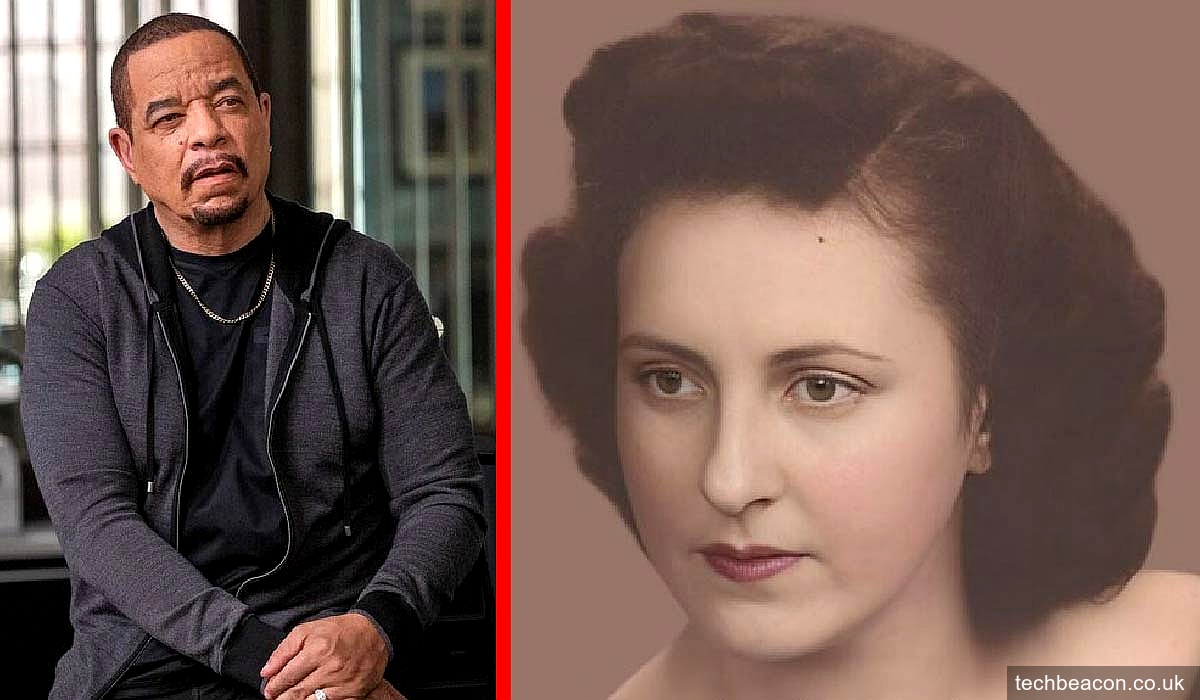
The name alice marrow represents a compelling figure in historical research, regional genealogy, and American cultural heritage. Born in April 1909 in Winston-Salem, North Carolina, Alice Marrow lived through transformative decades in the United States, experiencing firsthand the profound social, economic, and cultural shifts of the twentieth century. In recent years, search interest surrounding her life has grown significantly as historians, family researchers, and cultural enthusiasts seek to uncover the stories of influential women whose lives shaped local communities and matriarchal legacies.
Understanding the life of alice marrow requires looking closely at her origins, her family history, and the historical period in which she was raised. Additionally, online search queries often connect her name with historical theater figures and celebrity genealogies. This comprehensive biography provides a detailed look at Alice Marrow’s background, her cultural impact, her family ties, and the reasons why her narrative continues to resonance with readers today.
| Information | Details |
|---|---|
| Full Name | Alice Marrow |
| Known As | Alice Marrow |
| Date of Birth | April 1909 |
| Birthplace | Winston-Salem, North Carolina, USA |
| Nationality | American |
| Ethnicity | African American |
| Famous For | Community dedication, family history, mid-twentieth-century heritage |
Who Is Alice Marrow?
Alice Marrow was an American matriarch and community figure born in early twentieth-century North Carolina. She gained historical interest due to her deep roots in the African American community of Winston-Salem during a period defined by legal segregation, economic hardship, and powerful community solidarity. Rather than seeking public fame on the stage or screen, Alice Marrow built a legacy grounded in family resilience, local engagement, and personal fortitude.
In digital research circles, people frequently inquire about the biography of alice marrow to better understand her lineage, her upbringing, and how her life intersected with broader American historical narratives. Her story serves as a mirror to the lives of thousands of African American women who navigated the complexities of the Jim Crow era while laying foundational values for subsequent generations.
Early Life and Birthplace
Alice Marrow entered the world in April 1909 in Winston-Salem, North Carolina. At the start of the twentieth century, Winston-Salem was rapidly growing into a major industrial hub driven by the tobacco and textile industries. However, for African American residents, daily life was heavily circumscribed by racial segregation laws and restricted access to civic resources.
Growing up in this environment required tremendous personal grit and reliance on close-knit neighborhood networks. Young Alice Marrow spent her developmental years immersed in community traditions centered around local churches, school events, and supportive family structures. These early experiences deeply shaped her character, emphasizing mutual assistance, spiritual faith, and educational achievement despite systemic obstacles.
Educational Opportunities in the Early 1900s
During the era of Alice Marrow’s youth, educational access for Black children in North Carolina was limited and underfunded compared to white institutions. Despite these severe disparities, African American educators and community leaders established robust private and segregated public schools that prioritized high academic standards and moral discipline. Alice Marrow was educated within this dedicated framework, gaining a solid literacy foundation and a lifelong respect for civic responsibility.
Family Heritage and Cultural Context
Family heritage forms the core of why researchers examine the life of alice marrow. Her background illustrates the strength of mid-twentieth-century Southern family structures. Matriarchs like Alice Marrow played central roles in maintaining family stability, organizing local relief efforts, and preserving oral histories across generations.
The cultural environment of Winston-Salem in the decades following her birth was vibrant despite systemic hardship. Blues music, gospel traditions, labor movements, and neighborhood activism flourished. Through her presence in local institutions, Alice Marrow contributed to maintaining social cohesion within her community, earning the respect of neighbors, extended family members, and local organizations.
Historical Disambiguation: Alice Marrow vs. Alice Marriott
When conducting online searches for alice marrow, researchers occasionally encounter historical theater records that point to nineteenth-century British stage personalities. Most notably, some search results conflate her name with classical British actress Alice Marriott, a pioneering nineteenth-century performer renowned for her stage roles across Great Britain and North America, including her acclaimed portrayals of Shakespearean characters like Hamlet.
It is essential for biographical accuracy to separate these distinct historical figures:
- Alice Marrow (Born 1909): An African American woman from Winston-Salem, North Carolina, recognized for her mid-twentieth-century American community heritage and family matriarchal legacy.
- Alice Marriott (1824–1900): A prominent nineteenth-century English stage actress and theater manager who performed alongside legend Sir Henry Irving and served as the grandmother of famed writer Edgar Wallace and performer Marriott Edgar.
By clarifying this distinction, historians and casual readers can appreciate the distinct cultural contributions of both women without confusing their genealogical origins or professional pathways.
Personal Life, Relationships, and Values
Throughout her life, Alice Marrow prioritized family devotion, ethical integrity, and quiet leadership. While detail-heavy public records from the early 1900s can be difficult to access due to historical record-keeping limitations, surviving accounts describe her as a woman of profound faith and steady determination.
Her household was a place of hospitality and guidance for younger relatives and neighbors. During times of national hardship, such as the Great Depression and World War II, Alice Marrow’s resourcefulness ensured that her family remained secure and connected to local support systems. Her personal values were rooted in self-reliance, respect for elders, and an unwavering commitment to child welfare and spiritual growth.
Understanding Search Interest Surrounding Alice Marrow
Why do so many people search for the name alice marrow in 2026? Search patterns highlight several primary drivers:
- Genealogical Research: Family historians tracing African American lineages in North Carolina frequently encounter census data and public records featuring Alice Marrow.
- Interest in Unsung Historical Figures: Modern readers increasingly seek out biographic profiles of everyday individuals who embodied historical perseverance rather than relying solely on mainstream public figures.
- Connection to Contemporary Celebrity Profiles: In modern media analyses of public figures and celebrity family backgrounds and public profiles, researchers often examine ancestral lines to understand how family heritages influence creative, athletic, or cultural talent down through the generations.
What Is Alice Marrow’s Estimated Net Worth?
Alice Marrow’s exact net worth has not been publicly confirmed by financial institutions or official record holders. Because she was a private citizen living during the twentieth century rather than a modern media personality or corporate executive, standard commercial net worth calculations do not apply to her life story.
Her true wealth lay in her enduring social capital, her family heritage, and her foundational contributions to her local community. In historical research, evaluating non-celebrity matriarchs through financial metrics distorts their real value, which is best measured by community impact, family longevity, and historical memory.
Where Is Alice Marrow Today?
Given her birth year of 1909, Alice Marrow is no longer alive. Her life story remains preserved through regional archival documents, census registries, family narratives, and historical profiles written to commemorate twentieth-century American heritage.
Today, her legacy lives on through her descendants and through digital biographies that honor the lives of working-class and community-focused women who built the cultural foundations of modern America. Researchers studying Southern history continue to cite figures like Alice Marrow to present a balanced, authentic view of early twentieth-century life.
Frequently Asked Questions About Alice Marrow
Who is Alice Marrow?
Alice Marrow was an American woman born in April 1909 in Winston-Salem, North Carolina. She is recognized in regional historical research and genealogical studies for her matriarchal dedication, family leadership, and deep connections to the African American community during the mid-twentieth century.
When and where was Alice Marrow born?
Alice Marrow was born in April 1909 in Winston-Salem, North Carolina, United States. She grew up during an era marked by industrial growth and legal racial segregation in the American South.
Is Alice Marrow related to actress Alice Marriott?
No, Alice Marrow is not related to the British actress Alice Marriott. Alice Marriott was a 19th-century English theater actress born in 1824 who managed Sadler’s Wells Theatre. Alice Marrow was an African American matriarch born in North Carolina in 1909. They are entirely separate historical individuals.
What is Alice Marrow’s ethnicity and nationality?
Alice Marrow was of African American ethnicity and held American nationality. Her life was rooted in the social and cultural history of the Southern United States during the 20th century.
Why do people search for alice marrow today?
People search for alice marrow primarily for genealogical research, historical inquiry into 20th-century Southern American heritage, and to clarify biographical facts regarding non-celebrity figures connected to historical archives and ancestral studies.
What was Alice Marrow’s net worth?
Alice Marrow’s exact net worth has not been publicly confirmed. As a private individual from the 20th century, her legacy is defined by her family impact, community leadership, and historical memory rather than financial assets.
What was the social environment during Alice Marrow’s youth?
During Alice Marrow’s youth in Winston-Salem, North Carolina, the city was heavily segregated under Jim Crow laws. Despite these structural challenges, African American communities built strong neighborhood institutions, churches, and social support systems.
Did Alice Marrow work in public entertainment?
No, Alice Marrow was not a public entertainment figure. Online searches sometimes confuse her with classical theatrical performers due to similar names, but Alice Marrow’s life was centered around family, community, and private civic life in North Carolina.
Conclusion
The life of alice marrow offers an illuminating glimpse into early twentieth-century American history. Born in Winston-Salem, North Carolina, in April 1909, she lived through decades of profound societal change, serving as a pillar of strength, moral guidance, and family stability within her community. While online search results occasionally blur her story with distinct historical figures, dedicated genealogical and biographical research ensures that her true background—rooted in resilience, faith, and family—remains accurately documented. Today, Alice Marrow’s narrative continues to inspire those who value family lineage, cultural heritage, and the vital historical contributions of American matriarchs.
