

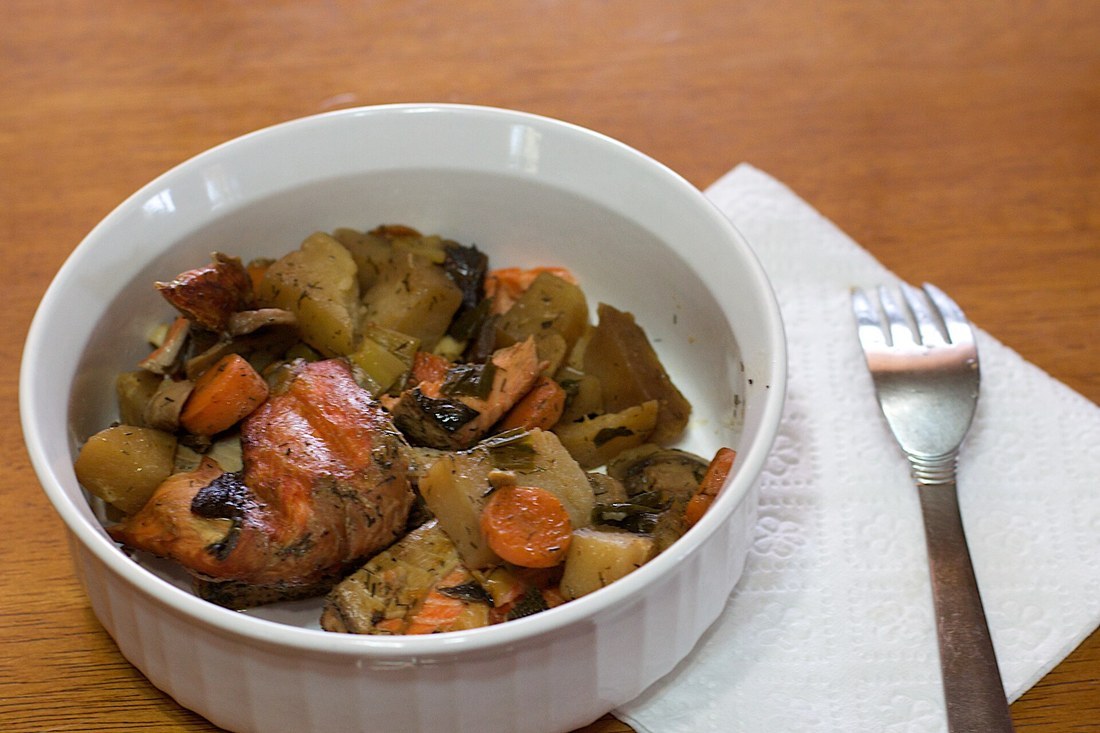
High protein dinners solve one of the most common evening problems: you eat a large meal, feel satisfied for an hour, and then start looking for a snack before bed. The issue is rarely the size of the meal. It is usually the balance. Meals built around refined carbohydrates and a small amount of protein digest quickly and leave little staying power, while a dinner centred on a solid portion of protein, fibre-rich vegetables and a sensible amount of healthy fat tends to keep you fuller for much longer.
Protein also does practical work overnight. It supplies the amino acids your body uses to repair muscle after exercise, maintain lean tissue as you age and support normal immune function. The Harvard T.H. Chan School of Public Health explains that protein is essential for building and repairing tissues, and that the quality and variety of protein sources matter alongside the total amount. That is why the best high protein dinners are not just meat-heavy plates. They combine a main protein with vegetables, whole grains or legumes, so the meal is both filling and nutritionally complete.
How much protein should dinner contain?
There is no single number that suits everyone, because protein needs depend on body weight, activity level, age and overall health. As a useful working target, many adults aim for roughly 25 to 45 grams of protein at dinner, with active people, larger adults and those trying to preserve muscle often landing at the higher end of that range. A useful rule of thumb is to make protein about one quarter to one third of the plate by volume, then fill the rest with vegetables and a fist-sized portion of a starchy food if you want one.
It helps to know what common portions actually provide. A 150-gram cooked chicken breast supplies about 46 grams of protein, a 170-gram salmon fillet about 36 grams, and 150 grams of lean beef about 39 grams. Two large eggs provide about 12 grams, one cup of cooked lentils about 18 grams, one cup of cooked quinoa about 8 grams, and 200 grams of extra-firm tofu about 24 grams. Greek yogurt is another useful addition: 170 grams of plain non-fat Greek yogurt provides about 17 grams of protein. When you can picture those numbers, building a dinner becomes much easier, because you can see whether a meal is genuinely high in protein or merely labelled that way.
Balance still matters. Protein alone does not make a healthy dinner. Aim for at least two different vegetables, a source of fibre, and enough flavour that you actually enjoy the meal. Herbs, citrus, garlic, chilli, mustard, vinegar and spices add a great deal without adding much fat or sugar, and they are the difference between a plan you follow for a week and one you keep using for months.
15 high protein dinners that are easy to cook
The ideas below are grouped by their main protein, so you can shop and cook around what you already like. Each one is written as a single serving, and the protein totals are approximate because brands, cuts and cooking methods vary slightly.
Chicken dinners
1. Lemon herb chicken with quinoa and broccoli. Grill or pan-fry a 150-gram chicken breast with lemon juice, garlic, oregano and olive oil, and serve it with one cup of cooked quinoa and a large portion of steamed broccoli. The chicken provides about 46 grams of protein, the quinoa about 8 grams and the broccoli about 4 grams, for a total of around 58 grams. The quinoa adds fibre and a nutty flavour, while the broccoli keeps the plate light and colourful.
2. Chicken fajitas with black beans. Slice chicken thigh or breast, peppers and onion, season with smoked paprika, cumin and lime, and cook quickly in a hot pan. Serve in two corn tortillas with half a cup of black beans, salsa and a spoonful of Greek yogurt instead of sour cream. The chicken gives roughly 35 to 40 grams of protein, the beans about 7 grams and the yogurt about 3 grams, making a filling meal of around 45 to 50 grams.
3. Chicken and vegetable tray bake. Toss chicken thighs, sweet potato chunks, red onion, courgette and cherry tomatoes in olive oil and rosemary, then roast until the chicken is cooked through and the edges are crisp. A 180-gram portion of cooked chicken thigh provides about 38 grams of protein, while the vegetables add fibre, vitamin C and natural sweetness. This is an excellent weeknight option because most of the work happens in the oven.
Fish and seafood dinners
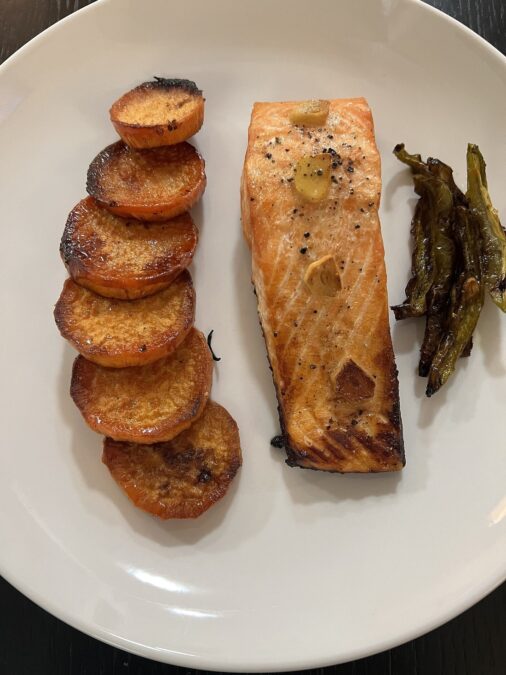
4. Baked salmon with sweet potato and greens. A 170-gram salmon fillet, roasted with a baked sweet potato and a large handful of wilted spinach or steamed green beans, is one of the simplest high protein dinners of all. The salmon provides about 36 grams of protein and valuable omega-3 fats, the sweet potato adds slow-release carbohydrate and fibre, and the greens add volume without heaviness. Season with lemon, dill and black pepper rather than a sugary glaze.
5. Prawn and edamame stir-fry. Prawns cook in minutes and are remarkably protein-dense: 150 grams provide about 30 grams of protein. Stir-fry them with garlic, ginger, broccoli and a cup of shelled edamame, which adds about 11 grams of protein, then finish with soy sauce, lime and sesame. Serve over a small portion of brown rice if you want a more substantial meal, knowing the rice adds about 5 grams of protein per cooked cup.
6. Tuna and white bean salad. This no-cook dinner is ideal for hot evenings. One 145-gram tin of tuna in water, drained, provides about 30 grams of protein, while a cup of canned cannellini beans adds about 14 grams. Mix with red onion, parsley, lemon juice and olive oil, and serve with cucumber, tomatoes and a slice of wholegrain bread. It is fresh, filling and ready in ten minutes.
Beef, pork and lamb dinners
7. Lean beef stir-fry with peppers and rice noodles. Slice 150 grams of lean sirloin thinly, sear it quickly, then add peppers, mushrooms and spring onions with garlic and ginger. The beef provides about 39 grams of protein, and a small portion of rice noodles keeps the meal satisfying without dominating it. Keep the sauce simple: soy sauce, lime juice and a little chilli, rather than a sweet, thick sauce that adds unnecessary sugar.
8. Turkey chilli with kidney beans. Brown 200 grams of lean ground turkey, add onion, garlic, tomatoes, kidney beans and chilli powder, then simmer for 25 minutes. The turkey provides about 40 grams of protein and the beans about 18 grams per cooked cup, giving a hearty total of well over 50 grams when served with a spoonful of Greek yogurt. Chilli also freezes well, so a double batch gives you another high protein dinner later in the week.
9. Pork tenderloin with apple and cabbage. Pork tenderloin is much leaner than many people expect. A 150-gram portion provides about 36 grams of protein. Roast it with sliced apple, red cabbage and caraway, and serve with a small portion of potatoes. The apple and cabbage add sweetness, crunch and fibre, and the whole meal feels like a proper Sunday-style dinner without being heavy.
Plant-based dinners
10. Tofu and vegetable stir-fry with peanut sauce. Press 200 grams of extra-firm tofu, cube it and fry until golden, then add broccoli, carrots and sugar snap peas. A peanut sauce made from peanut butter, soy sauce, lime and warm water adds flavour and about 4 grams of protein per tablespoon of peanut butter. With the tofu providing about 24 grams, this is a genuinely filling plant-based dinner, especially when served with brown rice or quinoa.
11. Lentil and feta bake. Simmer two cups of cooked lentils with tomatoes, garlic and spinach, top with 100 grams of feta and bake until golden. The lentils provide about 36 grams of protein for two cups, and the feta adds about 14 grams per 100 grams, so a generous serving delivers roughly 25 grams plus fibre, iron and folate. Serve with a green salad and a slice of wholegrain bread for a meat-free dinner that still feels substantial.
12. Egg and bean shakshuka. Simmer chopped tomatoes, peppers and onion with cumin and paprika, make wells in the sauce and crack in four eggs, then cover and cook until the whites set. Two eggs per serving provide about 12 grams of protein, and a cup of added white beans contributes about 14 grams. Serve with wholegrain bread for dipping, and finish with parsley and a little feta if you like.
Quick and lighter options
13. Chicken and cottage cheese toast. For a lighter evening meal, top two slices of wholegrain toast with 100 grams of cottage cheese, sliced cooked chicken and tomato. The cottage cheese provides about 11 grams of protein per 100 grams, the chicken about 30 grams for a 100-gram portion, and the bread about 8 grams for two slices, giving close to 49 grams in total. It takes five minutes and works well after a late workout.
14. Greek yogurt chicken bowls. Combine sliced grilled chicken, cucumber, tomatoes, red onion and olives over a base of quinoa or cauliflower rice, then spoon over a sauce made from Greek yogurt, lemon and garlic. A 150-gram chicken portion gives about 46 grams of protein, while 100 grams of Greek yogurt adds about 10 grams. The result is cool, fresh and easy to scale up for several days.
15. Beef and broccoli with egg fried rice. Stir-fry lean beef strips with broccoli and garlic, then serve with a small portion of egg fried rice made with one egg and leftover rice. The beef gives about 39 grams of protein per 150 grams, the egg about 6 grams and the rice a few grams more. Using leftover rice also improves the texture, because drier grains fry better and absorb less oil.
How to make high protein dinners easier every week
The easiest way to eat well is to remove decisions on busy evenings. Cook two proteins on Sunday, such as a tray of chicken thighs and a pot of lentils, and keep washed vegetables, cooked grains and sauces ready in the fridge. Then dinner becomes assembly rather than cooking from scratch. Batch-cooked chilli, tray bakes and stir-fry components keep well for three to four days in the fridge, and many freeze well for a month.
Think about the whole day as well as the evening meal. If breakfast is low in protein, dinner has to do all the work, which can make the evening plate feel unnecessarily large. Pairing these dinners with balanced earlier meals helps spread protein more evenly, and you can find practical morning ideas in other high-protein breakfast guides on this site. Small planning habits, such as keeping tinned tuna, beans, eggs and frozen prawns at home, also mean you always have a high-protein option even when the fridge looks empty.
Frequently asked questions about high protein dinners
What is a good high protein dinner for weight loss?
A good option pairs a lean protein with plenty of vegetables and a controlled portion of a starchy food. For example, grilled chicken with broccoli and half a cup of quinoa provides roughly 50 grams of protein, plenty of fibre and a satisfying volume of food without relying on fried foods or creamy sauces. Protein helps with fullness, but total energy intake and overall food quality still matter, so portion size and cooking method are part of the picture.
Can I get enough protein at dinner without meat?
Yes. Combine lentils, beans, tofu, tempeh, eggs, Greek yogurt, cottage cheese and whole grains across the meal. A lentil and feta bake, tofu stir-fry or shakshuka with beans can each provide 25 to 40 grams of protein. Plant proteins vary in their amino acid profiles, so eating a variety of plant foods across the day is more useful than worrying about combining every amino acid in a single plate.
How can I make high protein dinners in under 20 minutes?
Use proteins that cook quickly, such as prawns, tinned tuna, eggs, tofu and pre-cooked chicken, and keep frozen vegetables, microwave rice, tinned beans and sauces ready. A prawn stir-fry, tuna and bean salad or egg and bean shakshuka can be ready in 10 to 20 minutes. Pre-chopping vegetables or using a tray bake on busy days also removes most of the active cooking time.
Is it better to eat most of my protein at dinner?
For most people, spreading protein across breakfast, lunch and dinner works better than loading it all into one meal. A dinner with 30 to 45 grams of protein is a strong target, but it works best when earlier meals also contain protein. That steady pattern supports fullness through the day and gives muscles a more regular supply of amino acids.
What are cheap high protein dinner ingredients?
Eggs, lentils, beans, tinned tuna, chicken thighs, tofu and cottage cheese are usually among the most affordable protein sources per gram. Lentils are especially good value: dried or tinned lentils cost little, store well and provide about 18 grams of protein per cooked cup. Building meals around these ingredients, and using meat as one part of the plate rather than the whole meal, keeps costs down without lowering protein.
