

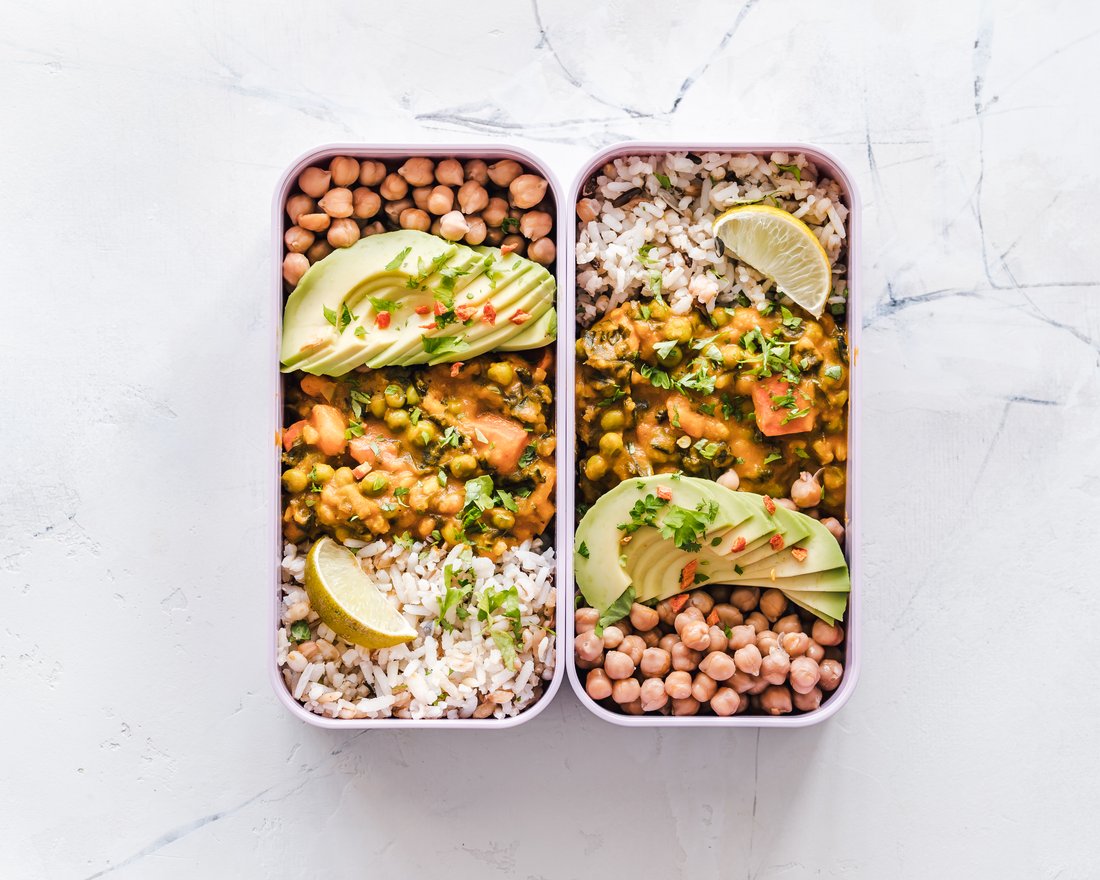

Postpartum meal prep is the simplest way to make the first weeks after birth a little easier on yourself. When sleep is broken, visitors come and go, and a baby needs feeding every two or three hours, deciding what to eat should not become another daily project. A few well-chosen meals in the fridge or freezer mean you can eat properly with one hand, reheat something in ten minutes, and avoid living on toast and biscuits until someone else cooks.
This guide focuses on practical, filling food rather than strict rules. It covers the nutrients that tend to matter after birth, meals that freeze and reheat well, a realistic prep day, and safe storage times, so you can plan with confidence. For general guidance on feeding and early parenthood, the NHS Start for Life service brings together official UK advice in one place. The ideas below are for general wellness only and are meant to sit alongside, not replace, advice from your own healthcare team.
The key shift is to stop thinking in terms of perfect meals. After birth, a good meal is one you actually eat, that keeps you full for a few hours, and that does not require a long list of ingredients or an hour at the stove. Build your plan around that test and everything else becomes much simpler.
Why eating well after birth is not about bouncing back
Birth, blood loss, broken sleep and, for many mothers, breastfeeding all increase the demands on the body at the same time as time and energy fall sharply. It is common to feel hungrier than usual, to crave quick carbohydrates, and to forget meals altogether when a baby is unsettled. None of that is a failure of willpower. It is a normal response to exhaustion and a changing routine, and it is exactly why having food ready in advance helps more than any meal plan on paper.
Breastfeeding mothers generally have higher calorie needs than they did before pregnancy, because producing milk takes energy. That does not mean eating for two in the old-fashioned sense, and it does not mean counting every calorie. It usually means adding regular, substantial meals and snacks, drinking when thirsty, and choosing foods that provide protein, fibre and a range of vitamins and minerals, rather than relying only on sugary snacks for quick energy.
The nutrients that matter most after birth
No single food covers everything, which is why variety matters more than perfection. A useful plate after birth usually includes a protein food, a starchy carbohydrate, vegetables or fruit, and some healthy fat. That combination keeps you fuller, steadies energy, and makes it easier to cover the nutrients below without supplements or special products.
Protein and iron
Protein supports tissue repair and helps meals feel satisfying. Aim to include it at most meals, whether that is eggs, chicken, fish, lentils, beans, tofu, Greek yoghurt or cheese. Iron matters because blood loss at birth can lower iron levels, and iron-rich foods include red meat, lentils, beans, fortified breakfast cereals, spinach and dried fruit. Pairing plant sources of iron with vitamin C, for example lentils with peppers or tomatoes, helps the body absorb more of it.
Calcium, vitamin D and iodine
Calcium supports bones and teeth, and good sources include milk, yoghurt, cheese, fortified plant drinks and tinned sardines eaten with their soft bones. Vitamin D is harder to get from food alone, especially in winter in the UK, and oily fish, fortified spreads and cereals, and eggs provide small amounts. Iodine, found in dairy, eggs, fish and iodised salt where available, also supports normal thyroid function. If you follow a restricted diet, it is worth checking these nutrients in particular with a healthcare professional.
Fibre, fluids and omega-3 fats
Constipation is common after birth, and fibre plus fluids help. Wholegrains, beans, lentils, vegetables, fruit with the skin on, nuts and seeds all add fibre, but increase the amount gradually and drink regularly through the day. Water is usually the best choice, with tea and coffee in moderation. Oily fish such as salmon, mackerel and sardines provide long-chain omega-3 fats; two portions of fish a week, including one oily portion, is the general UK guidance for adults, with limits on certain fish during pregnancy that no longer apply in the same way after birth.
Freezer-friendly meals that actually reheat well
Not every meal improves in the freezer. Sauces, soups, stews and traybakes usually do, while salads, fried food and dishes with cream sauces often do not. Choose recipes that are already soft, saucy and easy to eat with a spoon, and cook them in double batches so one batch is dinner and the second goes straight into labelled containers.
- Lentil and vegetable soup with carrots, celery, tomatoes and cumin, served with bread and cheese for a complete meal.
- Chicken and chickpea stew with tinned tomatoes, peppers and smoked paprika, which thickens nicely after freezing.
- Beef or turkey chilli with kidney beans, sweetcorn and a little dark chocolate for depth, served with rice or wraps.
- Vegetable and bean pasta sauce, made in a large pot and frozen in single portions for quick pasta nights.
- Chicken, sweet potato and coconut curry, cooked until tender and cooled quickly before freezing.
- Salmon and broccoli traybake components, such as roasted vegetables and grains, frozen separately and reheated together.
Freeze in portions that match how you will actually eat, usually one or two servings, rather than one huge container that takes hours to defrost. Flat freezer bags for soups save space and thaw faster than deep tubs, and a strip of masking tape with the dish name and date prevents the familiar freezer mystery meal.
A sample prep day that takes about 90 minutes
You do not need a whole day in the kitchen. A focused 90-minute session, ideally with help from a partner, friend or family member, can produce food for several days. Start with the longest-cooking dish, then use the waiting time for washing, chopping and packing.
- 0 to 10 minutes: Put a large pot of lentil soup on to simmer and set out containers, labels and freezer bags.
- 10 to 35 minutes: Roast two trays of vegetables, such as sweet potatoes, courgettes, peppers and red onions, with olive oil and salt.
- 35 to 60 minutes: Cook a batch of brown rice and a tray of chicken thighs, then shred half the chicken for wraps and sandwiches.
- 60 to 80 minutes: Make overnight oats for three mornings, wash fruit, portion yoghurt and nuts, and fill a snack box.
- 80 to 90 minutes: Cool everything, label it, put one portion of each dish in the fridge, and freeze the rest in single servings.
By the end of that session you have soup, roasted vegetables, rice, chicken and breakfasts ready, plus a clear sense of what needs eating first. Repeat the same structure the following week with different sauces and vegetables, rather than learning five new recipes at once.
Storage and food safety: how long things really last
Food safety matters more when you are tired, because it is easy to leave a pan cooling for hours or to forget when something was cooked. A few simple rules remove most of the guesswork. Keep your fridge at 5 degrees Celsius or below and your freezer at minus 18 degrees Celsius or below, and check the settings if food seems to spoil quickly.
- Cooked meat, poultry, fish, rice, pasta and most leftovers: 3 to 4 days in the fridge, in covered containers.
- Soups, stews and chilli: 2 to 3 months in the freezer at best quality, although they remain safe beyond that if kept frozen.
- Cooked rice: cool within 1 hour, refrigerate promptly, eat within 24 hours, and reheat only once until piping hot.
- Opened milk, yoghurt and soft cheese: follow the use-by date and keep refrigerated, discarding anything that smells off.
- Reheated meals: heat until steaming hot throughout, stir soups and stews well, and do not reheat leftovers more than once.
Cool food quickly by spreading it in shallow containers rather than leaving a deep pot on the counter. Put it in the fridge or freezer as soon as it has stopped steaming, ideally within 2 hours of cooking. If you are unsure how long something has been in the fridge, or it has been reheated already, it is safer to throw it away than to risk an upset stomach when you are already run down.
Quick no-cook options for impossible days
Some days, even reheating feels like too much. Keep a small stock of no-cook foods for those days, so you still eat something substantial instead of skipping a meal. These options take under five minutes and can be eaten while holding a baby.
- Greek yoghurt with berries, oats and a spoonful of peanut butter.
- Wholemeal toast with tinned sardines, or with beans, cheese and tomatoes.
- A wrap filled with hummus, grated carrot, cucumber and sliced chicken or falafel.
- Cottage cheese or cheese with crackers, apple slices and a handful of nuts.
- Overnight oats made the night before with milk, yoghurt, oats and frozen berries.
- A smoothie with milk, banana, oats, peanut butter and a handful of spinach.
Building a simple weekly plan
A weekly plan does not need to cover every meal. Start with dinners for five nights, add breakfasts you can repeat, and leave two nights flexible for leftovers, takeaway or food brought by visitors. Write the shopping list directly from the plan, grouped by shop section, so you buy only what you need. For a broader approach that works beyond the newborn weeks, the guide Meal Planning Ideas: A Simple Guide for Busy Weeks explains how to choose a planning style, run a short Sunday prep session, and avoid the common mistakes that make plans fall apart by Wednesday.
Keep a short list of emergency meals in the cupboard at all times: pasta, tinned tomatoes, beans, eggs, frozen vegetables and stock cubes. On a hard day, pasta with beans and tomatoes is a perfectly good dinner, and it is far better than no dinner at all.
Frequently asked questions
How soon after birth can I start postpartum meal prep?
As soon as you feel up to it, and often before birth if friends or family offer help. Many parents prepare a few freezer meals in the final weeks of pregnancy, then add one short prep session a week after birth. Start small, with one soup or stew, and build up only if it feels helpful rather than stressful.
How much should I eat if I am breastfeeding?
Most breastfeeding mothers need more energy than before pregnancy, but the exact amount varies with body size, activity and milk supply. A practical guide is to eat regular meals, add snacks when hungry, and drink when thirsty, rather than restricting food to lose weight quickly. If weight, appetite or milk supply is a concern, speak to a midwife, health visitor or doctor.
Which meals freeze best after birth?
Soups, stews, chilli, curries and pasta sauces freeze best because they contain plenty of liquid and soften on reheating. Cook them fully, cool them quickly, freeze in single portions, and label them with the name and date. Avoid freezing salads, fried foods, and dishes that rely on crisp textures.
How long can meal-prepped food stay in the fridge?
Most cooked leftovers keep for 3 to 4 days in a fridge at 5 degrees Celsius or below. Cooked rice is the exception and should be eaten within 24 hours and reheated only once. If food has been left out for more than 2 hours, or you cannot remember when it was cooked, discard it.
What if I do not like eating the same meal twice?
Repeat ingredients instead of meals. Roasted vegetables can become soup, a wrap filling, a pasta sauce or a grain bowl on different days. Shredded chicken works in sandwiches, curry, soup and quesadillas. That way, a single prep session gives variety without extra cooking.
A calmer way to feed yourself in the newborn weeks
Postpartum meal prep is not about creating a perfect freezer or following a strict diet. It is about removing one daily decision, keeping filling food within reach, and giving yourself permission to eat simply. One soup, one tray of roasted vegetables and a few no-cook snacks can change a week. Start with what you already like, accept help when it is offered, and let the plan bend around sleepless nights and changing routines.
Try one idea this week: cook a double batch of soup, stock your no-cook shelf, or plan five dinners and write the list. Then tell us in the comments which freezer meal saved you on a hard day, so other new mums can steal the idea too.
This article is for general information only and is not a substitute for professional medical advice; speak to a healthcare professional about your individual needs.
