

Introduction
Signing up for swimming classes for adults is one of the most empowering decisions you can make at any age. Perhaps you never learned to swim as a child, or maybe you can stay afloat but never feel truly comfortable in deep water. Whatever your starting point, adult swim lessons are designed specifically for grown-up learners, with patient instructors, small groups, and a pace that respects both your schedule and your nerves.
Unlike children’s programs, swimming classes for adults focus on the practical skills you will actually use: floating, breathing, efficient strokes, and water safety. There is no pressure to compete and no judgment about where you begin. In this guide, we walk you through everything you need to know — from class levels and costs to what to bring and how to calm first-day nerves — so you can get in the water with confidence.
Why Adults Take Swimming Classes
Adults enroll in swimming classes for all kinds of reasons. For some, it is about safety — a surprising number of adults cannot swim well enough to save themselves in an emergency, and a few weeks of lessons can close that gap. For others, it is about fitness: swimming is a low-impact, full-body workout that is kind to joints and ideal for anyone who wants cardio exercise without pounding their knees on a treadmill.
Then there are the lifestyle reasons. Holidays by the sea, pool parties with friends, snorkeling trips, or simply being able to join your children in the water without anxiety — all of these become possible once you learn. Many adults also discover that swimming is a powerful stress reliever. The rhythm of breathing and movement has an almost meditative quality, and the pool is one of the few places where your phone cannot follow you.
Whatever your motivation, you are far from alone. Adult learn-to-swim programs are among the fastest-growing areas of swim education, and instructors often say that adult beginners are their most dedicated and appreciative students.
Benefits of Learning to Swim as an Adult
Full-body, low-impact exercise. Swimming works your arms, legs, core, and back at the same time, while the water supports most of your body weight. That makes it one of the best workouts available for people with joint pain, arthritis, or old injuries.
Heart and lung health. Regular swimming strengthens the cardiovascular system, helps manage blood pressure, and improves lung capacity. Even two sessions a week can make a noticeable difference to your stamina within a couple of months.
Mental wellbeing. The combination of rhythmic movement, controlled breathing, and weightlessness calms the nervous system. Many swimmers describe their pool time as moving meditation, and studies consistently link swimming with reduced stress and better sleep.
Safety and confidence. Knowing how to float, tread water, and swim to safety is a genuine life skill. Adults who learn to swim often say the biggest benefit is not fitness at all — it is the quiet confidence of knowing they are safe around water.
Social connection. Adult swimming classes bring together people of all backgrounds with a shared goal. It is common for classmates to become swimming buddies, which keeps you motivated long after the course ends.
What to Expect: Swimming Class Levels for Adults
Most swimming classes for adults are divided into three broad levels. You will usually be asked about your experience when you register, and many schools offer a quick in-water assessment so you start in the right group.
Beginner: Building Water Confidence
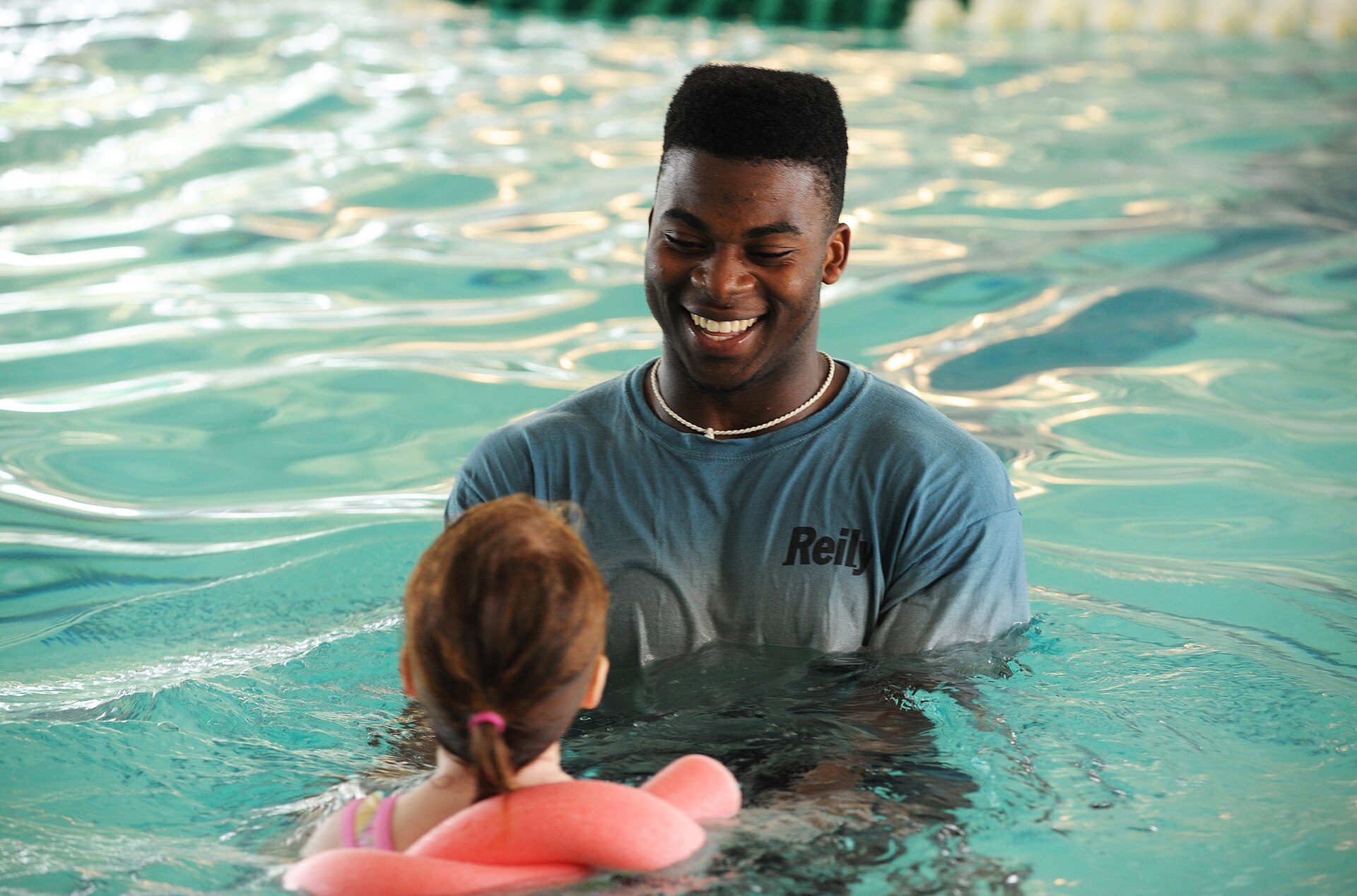
Beginner classes assume no prior ability. You will start in the shallow end, learning to enter and exit the pool safely, blow bubbles, submerge your face, float on your front and back, and glide through the water. Instructors introduce basic kicking and arm movements, always with support from pool noodles or kickboards at first. The goal is simple: to feel safe and relaxed in the water.
Intermediate: Learning the Strokes
Once you can float and glide comfortably, intermediate classes teach the core strokes — freestyle (front crawl), backstroke, and often breaststroke. You will work on breathing technique, coordinating your arms and legs, and swimming short distances without stopping. This is the stage where steady, rhythmic laps start to feel genuinely enjoyable. When you are ready to refine your technique further, structured swim stroke lessons can help you polish each stroke and swim more efficiently.
Advanced: Endurance, Technique, and Fitness Swimming
Advanced adult classes focus on endurance, stroke refinement, and sometimes open-water skills. You might work on flip turns, bilateral breathing, pacing for longer swims, or training for events such as charity swims and triathlons. Many swimmers stay in advanced classes simply because they love the workout and the community around it.
How to Choose the Right Swimming Class or Program
Not all swimming classes for adults are the same, so it pays to compare a few options. Start with class size: smaller groups — ideally six or fewer swimmers per instructor — mean more personal feedback and faster progress. Ask whether the program separates complete beginners from improvers, because being in the right group makes a big difference to both your confidence and your results.
Check the instructor’s qualifications and take a good look at the facility. A well-maintained pool with comfortably warm water, clean changing rooms, and a shallow teaching area makes learning far more pleasant. Location and schedule matter too: the best program is the one you will actually attend, so choose a pool that fits your commute and offers session times that suit your routine.
Finally, look for a trial lesson or a satisfaction guarantee on the first session. A good swim school will let you experience a class before asking you to commit to a full term.
What to Bring to Your First Swimming Class
Packing the right gear removes one more source of first-day stress. You do not need expensive equipment — the essentials are simple:
- A comfortable swimsuit that stays in place while you move. Sports-style suits work best; avoid anything too loose.
- Swimming goggles that seal well around your eyes. Being able to see underwater makes everything less intimidating.
- A swim cap, which many pools require. It keeps hair out of your face and reduces drag.
- A large towel and flip-flops for the poolside and changing rooms.
- A water bottle and a light snack — swimming is thirsty work, and you will appreciate something to eat afterwards.

Most pools provide kickboards, noodles, and other training aids, so you can leave those to your instructor.
Tips for Nervous Beginners
Feeling nervous before your first class is completely normal — instructors say almost every adult beginner arrives with butterflies. The single most helpful thing you can do is tell your instructor you are nervous. They will adjust the pace, stay close to you, and never ask you to attempt anything you are not ready for.
Arrive a little early so you can get changed without rushing and get used to the environment. At home, practice in the shower: let water run over your face and practice slow exhales through your nose. That simple exercise builds exactly the breathing comfort you will use in the pool.
During the lesson, focus on your breathing rather than on performing the stroke perfectly. Progress in swimming is rarely linear — some days everything clicks and other days it does not, and that is fine. Celebrate small wins: your first unassisted float is a genuine milestone. If you want extra reassurance about choosing a reputable program, you can also explore resources to find certified swim lessons offered by established swimming organizations.
Typical Costs and Duration of Adult Swimming Classes
Prices vary by location and format. Group swimming classes for adults typically cost between £10 and £25 per session in the UK (roughly $15–$35 in the US), with discounts for booking a full term of 8–12 weeks upfront. Private one-to-one lessons cost more — often £30–£60 per half hour — but your progress can be much faster with undivided attention.
Most group sessions last 30 to 45 minutes, which is plenty: swimming is tiring, and shorter focused sessions beat long exhausting ones for beginners. A typical beginner course runs for 8 to 12 weeks with one session per week. Many adults reach basic water confidence within a single term and become comfortable lap swimmers within two or three terms.
Before you pay, ask what is included — some schools bundle pool entry into the lesson price while others charge it separately — and check the cancellation and make-up class policy.
Frequently Asked Questions About Swimming Classes for Adults
Here are the answers to the questions we hear most often about swimming classes for adults.
Am I too old to learn how to swim?
No. Adults of all ages — from their twenties to their eighties — learn to swim every year. Instructors consistently say that adult beginners progress well because they listen carefully, ask smart questions, and practice deliberately.
How long does it take an adult to learn to swim?
Most adults gain basic water safety skills — floating, treading water, and swimming short distances — within 8 to 12 lessons. Becoming a confident lap swimmer usually takes a few months of weekly practice.
Do I need to be fit before starting swimming classes?
No. Swimming itself builds fitness, and beginner classes are paced gently. If you have a medical condition, check with your doctor first, but most people can start right away.
What if I am afraid of the water?
Fear of water is extremely common among adult beginners, and good instructors are trained to work with it. Beginner classes progress in tiny steps, and you will never be pushed into the deep end before you are ready.
Are private or group lessons better for adults?
Group lessons are affordable and sociable, while private lessons offer faster, personalized progress. Many adults start with a few private sessions to build confidence and then move into a group class.
Conclusion
Learning to swim as an adult is one of those rare goals that pays off in fitness, safety, confidence, and pure enjoyment all at once. The hardest part is signing up — once you are in the water with a supportive instructor, most beginners wonder why they waited so long.
Ready to take the plunge? Look for swimming classes for adults at a pool near you, book a trial lesson, and start your journey this week. Your future self — gliding calmly through the water — will thank you.
