

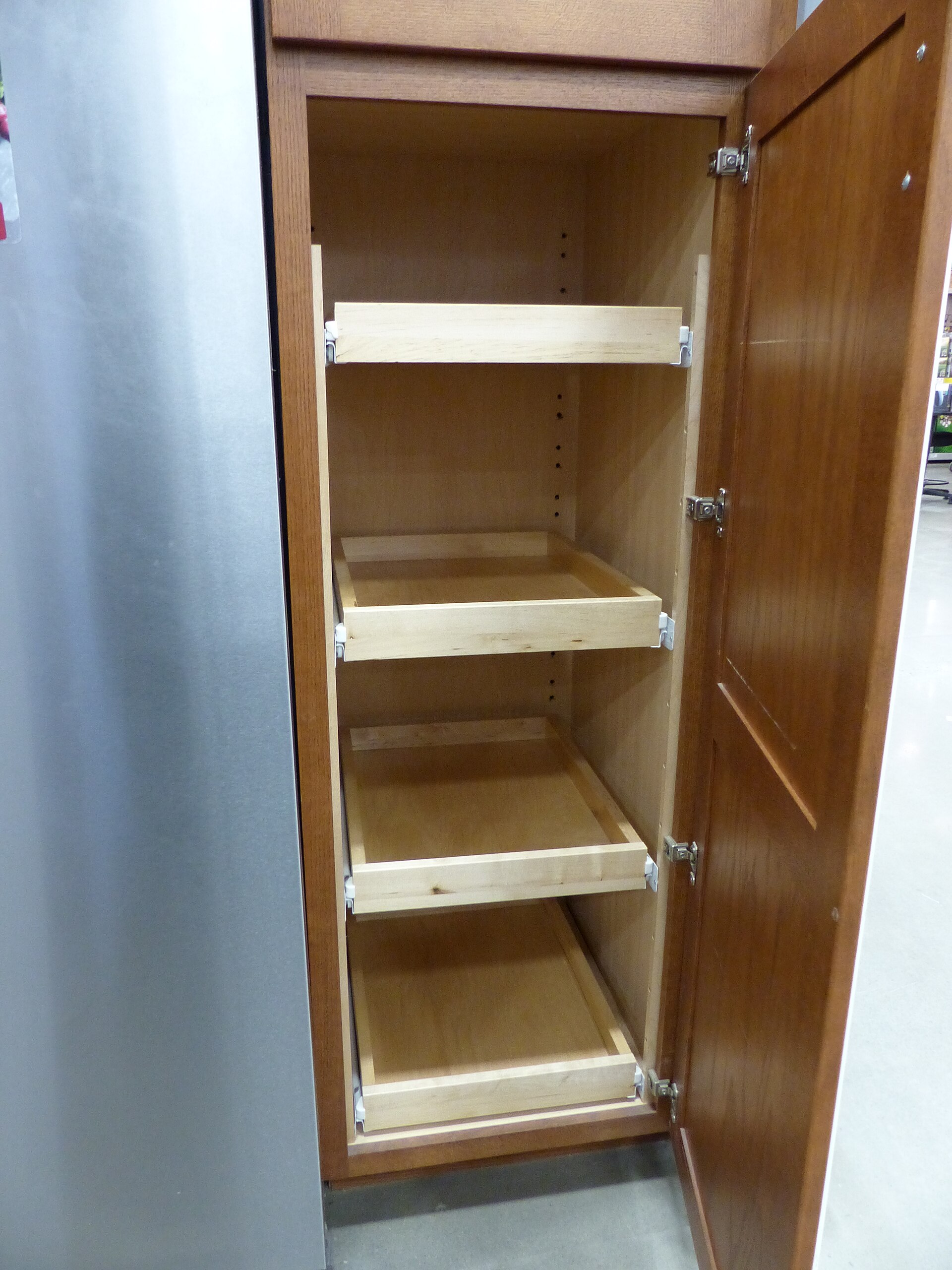
If you are planning a kitchen remodel or simply want to stop digging through dark, cluttered cupboards, kitchen base cabinets with drawers deserve a place at the top of your wish list. Unlike traditional door-front base cabinets, drawer-based designs bring every pot, pan, and utensil into full view with a single smooth pull, making daily cooking faster, easier, and far more enjoyable.
In this guide, we break down why drawers outperform doors in lower cabinetry, explore the most popular drawer configurations, and walk you through sizing, materials, hardware, installation, and maintenance. By the end, you will know exactly how to choose kitchen base cabinets with drawers that serve your household beautifully for decades.
Why Drawers Beat Doors in Base Cabinets
Standard base cabinets with doors force you to kneel, crouch, and reach into a dark box to find what you need. Items at the back disappear from memory, duplicates get bought, and heavy cookware becomes a chore to retrieve. Drawers solve all of this at once.
- Full visibility: A drawer opens to reveal its entire contents from above, so nothing hides in the back.
- Better ergonomics: You pull the drawer toward you instead of bending deep into a cabinet — a major plus for anyone with back or knee trouble.
- Superior organization: Dividers and inserts keep every item in a dedicated spot, ending the avalanche of lids and pans.
- Efficient use of depth: Drawer boxes use nearly the full 24-inch depth of the cabinet, while door cabinets waste the middle zone.
- Modern appeal: Clean drawer fronts give kitchens a streamlined, contemporary look that buyers love.
Types of Kitchen Base Cabinets with Drawers
Not all drawer cabinets are created equal. The right configuration depends on what you cook, how much you store, and your budget. Here are the main types you will encounter while shopping.
Deep Drawers
Deep drawer boxes, typically 8 to 12 inches tall, are the workhorses of the modern kitchen. They swallow stockpots, Dutch ovens, mixing bowls, and even small appliances like stand mixers or food processors. Because the whole drawer glides out, you can lift heavy items straight up instead of dragging them across a shelf. Most designers recommend at least one bank of deep drawers beside the range for pots and pans.
Pull-Out Drawers and Roll-Out Trays
If you already own door-front cabinets, you do not have to start over. Pull-out drawers and roll-out trays mount inside an existing cabinet box, giving you drawer-style access behind a door front. Two-tier roll-outs are especially popular under sinks and in pantries, where they double the usable storage of a single shelf. They are also a budget-friendly retrofit that delivers most of the convenience of true drawer cabinets.
Drawer Dividers and Organizers
A drawer is only as organized as its interior. Adjustable dividers, pegboard systems, cutlery trays, spice inserts, and knife blocks turn a plain box into a precision storage tool. Pegboard drawer bottoms with movable dowels are brilliant for stacking plates and bowls of different sizes without sliding. For the inside of your cabinet doors, pair these organizers with our cabinet door storage ideas to squeeze useful space out of every inch.
Corner Solutions
Corners are the Bermuda Triangle of kitchen storage — deep, dark, and hard to reach. Specialized drawer solutions fix that. Blind-corner pull-outs swing shelving out of the dead space, while angled or pie-cut drawer fronts turn the corner itself into usable storage. If your kitchen has an L-shaped layout, investing in a proper corner drawer unit can reclaim several cubic feet you would otherwise lose.
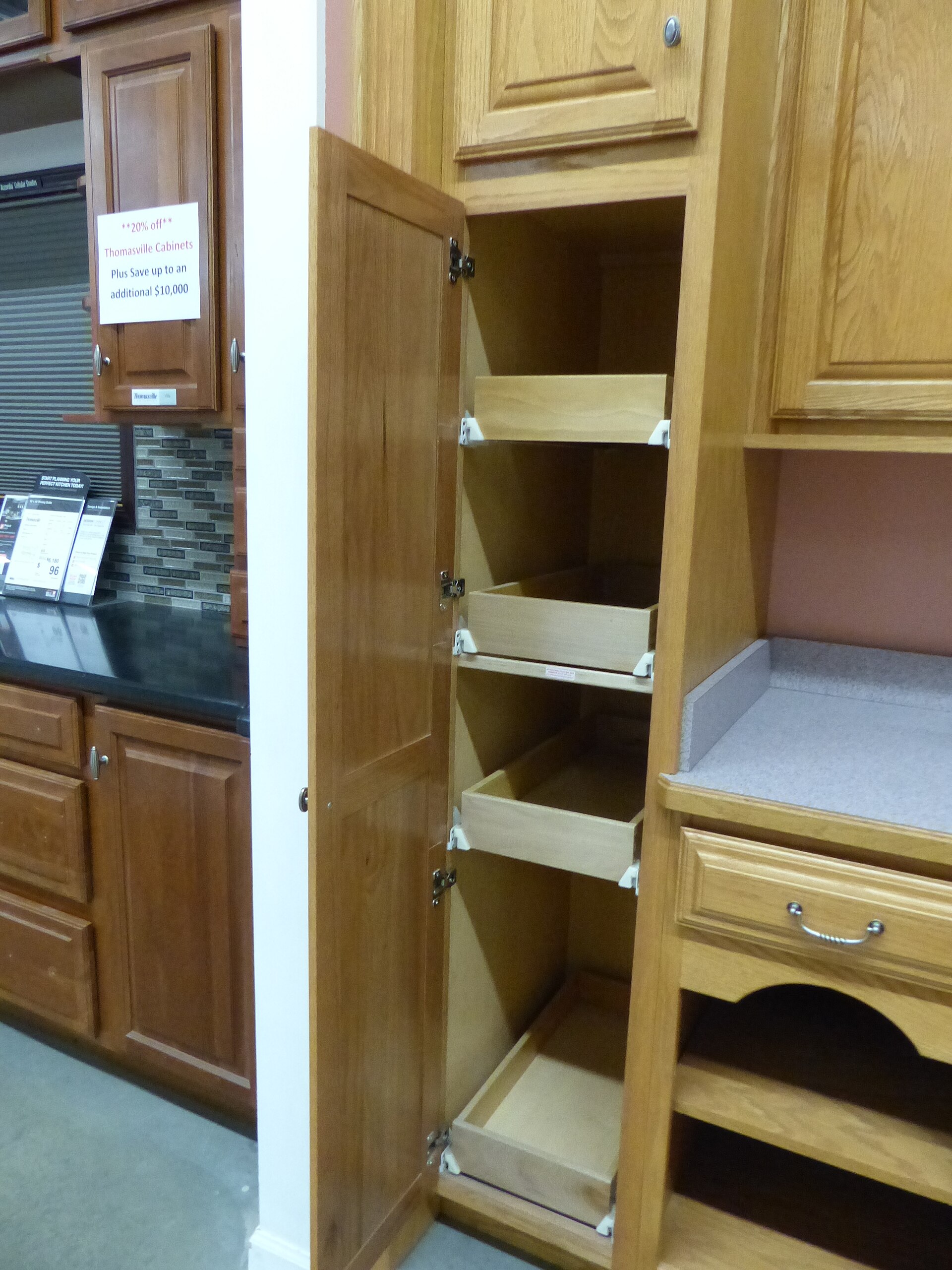
What to Store in Each Drawer
Strategic placement matters as much as the hardware. Organize drawers by cooking zones so the right tools are always within arm’s reach.
- Top shallow drawers (3–4 inches deep): cutlery, cooking utensils, wraps, foil, and everyday essentials near prep areas.
- Middle drawers (6–8 inches deep): everyday dishes, bowls, cups, spices, and oils beside the range.
- Deep bottom drawers (10–12 inches deep): heavy pots, pans, baking sheets, small appliances, and bulk dry goods.
- Narrow pull-outs (6–9 inches wide): tray dividers for cutting boards and sheet pans, or slim spice racks next to the cooktop.
Keep a trash and recycling pull-out near the sink and prep zone — it keeps odors contained and cleanup fast.
Buying Guide: Choosing Kitchen Base Cabinets with Drawers
Shopping for drawer cabinets involves more than picking a door style. Focus on these four fundamentals to get cabinets that glide smoothly and last for decades.
Sizes and Dimensions
Standard base cabinets are 24 inches deep and 34.5 inches tall (36 inches with the countertop). Drawer banks come in widths from 12 to 36 inches; 18- and 24-inch units are the most versatile for everyday storage. Before ordering, measure your kitchen carefully, note door swings and appliance clearances, and confirm that fully extended drawers will not collide with islands, walls, or each other.
Materials and Construction
Look for drawer boxes built from solid wood or Baltic birch plywood with dovetail joints — they resist warping and hold screws far better than particleboard or thin MDF. Sides between 5/8 and 3/4 inch thick handle heavy loads without flexing. As the renovation experts at This Old House explain, full-extension undermount slides are worth the upgrade because they give you access to the entire drawer box, not just the front half.
Soft-Close Hardware
Soft-close slides use a damper to catch the drawer in the last inch of travel and ease it shut silently — no more slamming, pinched fingers, or rattling dishes. Undermount soft-close slides are the premium choice: they hide beneath the drawer box, support more weight, and allow full extension. Side-mount ball-bearing slides are cheaper and easier to retrofit but offer less capacity. Either way, insist on full-extension travel so the back of the drawer is as reachable as the front.
Weight Capacity
Check the slide rating before you buy. Quality drawer slides are rated for 75 to 100 pounds per drawer, which comfortably covers cast-iron cookware and small appliances. Distribute heavy items across multiple drawers rather than loading one to the limit, and never exceed the manufacturer’s stated capacity — overloaded slides sag, bind, and fail early.
Installation Tips
- Level the cabinet boxes first: Shim the base cabinets perfectly level and plumb before hanging a single drawer front; an unlevel box makes drawers rub and drift open.
- Anchor to studs: Secure every cabinet to wall studs (and to its neighbors) with cabinet screws so loaded drawers cannot tip the run forward.
- Set slides square: Drawer slides must be parallel and level within the box. Use a small torpedo level and measure diagonals on wide drawers.
- Dial in the reveals: Leave an even 1/8-inch gap around each drawer front, adjusting the mounting screws until lines are straight.
- Mind handle placement: Center pulls on wide drawers, or use two knobs, to prevent racking when pulled from one side.
- Know when to call a pro: Corner units and integrated appliance panels are unforgiving — a professional installer earns their fee here.
Maintenance and Care
Drawer cabinets are low-maintenance, but a little routine care keeps them gliding like new. Wipe up spills promptly — standing water swells wood and MDF — and consider washable drawer liners in spice and utensil drawers. Once a year, tighten handle and slide screws, vacuum crumbs from the tracks, and apply a silicone-based lubricant (never oil, which attracts dust) to metal slides. Keep kitchen humidity in check with a range hood or dehumidifier to prevent sticking in damp climates.
Frequently Asked Questions
Are kitchen base cabinets with drawers more expensive than door cabinets?
Yes — typically 15 to 30 percent more, because drawer boxes and heavy-duty slides cost more than a simple door and shelf. Most homeowners find the daily convenience and extra usable space well worth the premium.
How deep should base cabinet drawers be?
Shallow top drawers of 3 to 4 inches suit cutlery and utensils, mid-depth drawers of 6 to 8 inches handle dishes and spices, and deep drawers of 10 to 12 inches are best for pots, pans, and small appliances.
Can I convert existing door cabinets into drawer cabinets?
Absolutely. Retrofit pull-out drawers and roll-out trays install inside your current cabinet boxes with basic tools, delivering most of the convenience of true drawers at a fraction of the cost of new cabinetry.
How much weight can kitchen drawers hold?
Quality full-extension slides are rated for 75 to 100 pounds per drawer. Always check the manufacturer’s rating and spread heavy cookware across several drawers rather than maxing out one.
Do soft-close drawers need special maintenance?
No. Soft-close mechanisms are sealed and maintenance-free. Just keep the slides clean and occasionally wipe them with a dry cloth; avoid oil-based lubricants that attract dust.
Conclusion
Kitchen base cabinets with drawers transform the hardest-working storage in your home into the easiest to use. With full visibility, better ergonomics, and purpose-built organizers, they cut down on clutter, cooking time, and frustration — all while giving your kitchen a clean, modern look.
Ready to plan your upgrade? Explore more kitchen storage guides here on Tech Beacon and start sketching a layout built around drawers where it matters most.
