

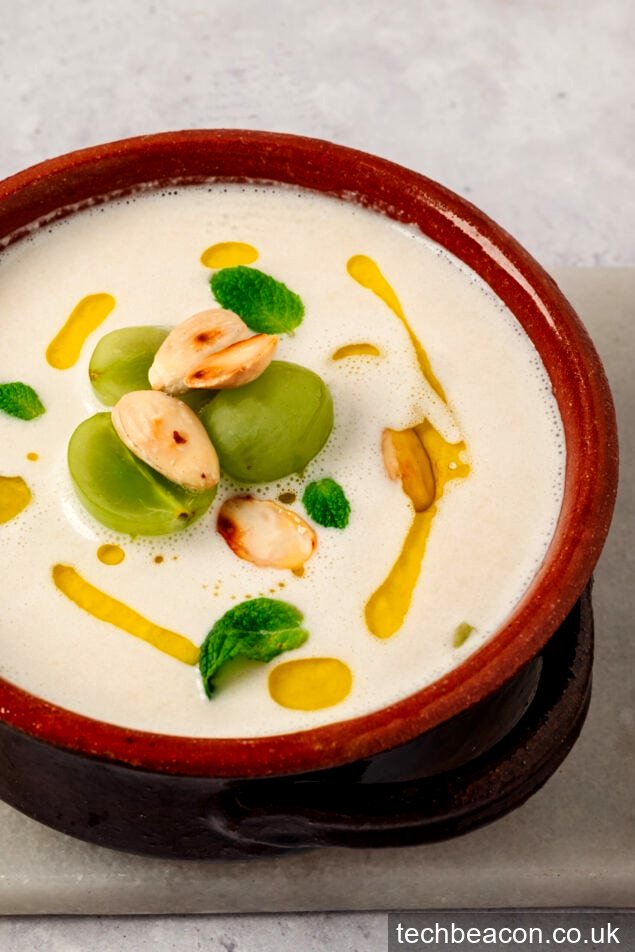
The Allure of Spain’s Hidden Culinary Treasure
As summer temperatures climb, our culinary cravings naturally shift toward lighter, cooling dishes that refresh the palate without weighing us down. While most food lovers are deeply familiar with the vibrant red, tomato-based gazpacho, there is another, older chilled Spanish soup that deserves a spot on your seasonal menu: ajo blanco. Often referred to as “white gazpacho,” this velvety, nutty, and subtly garlicky masterpiece is one of the best-kept secrets of Andalusian cuisine. If you are on the hunt for the best ajo blanco near me, you have come to the right place. This comprehensive guide will take you on a journey through the history, ingredients, and top establishments across the United States where you can experience this luxurious dish firsthand.
Originating from the sun-drenched southern regions of Spain, specifically Málaga and Granada, ajo blanco is a testament to the beauty of rustic, simple cooking. Long before tomatoes were introduced to Europe from the Americas, the Moors in Andalusia were blending almonds, garlic, olive oil, and bread into a soothing, creamy paste to beat the Mediterranean heat. Today, this historic dish has experienced a massive resurgence in modern gastronomy, with top chefs in major culinary hubs recreating it with artistic flair. Whether you are a lifelong fan of Spanish tapas or a curious epicurean looking to expand your horizons, finding the perfect bowl of this chilled delicacy is an adventure worth taking.
—
What is Ajo Blanco? Understanding the White Gazpacho
Before embarking on your local food quest, it is essential to understand what makes an authentic ajo blanco so special. Unlike modern gazpachos that rely on acidic tomatoes and crunchy cucumbers, ajo blanco is built on a rich, emulsified base of blanched almonds and stale white bread. The raw almonds provide a subtle, milky sweetness and a luxurious texture, while the bread acts as a natural binder, giving the soup its characteristic body.
While searching for the best ajo blanco near me, you might wonder about the origins of this incredibly unique flavor profile. The magic of this dish lies in the delicate balance of its core ingredients. Pungent raw garlic is mellowed by the richness of high-quality extra virgin olive oil, while a splash of sharp Spanish sherry vinegar (vinagre de Jerez) cuts through the fat, providing a refreshing tang. To finish, the soup is classically garnished with sweet, crisp green grapes or slices of ripe melon. This stark contrast between savory garlic-almond cream and sweet fruit is what elevates ajo blanco from a simple peasant soup to a brilliant work of culinary art.
Because it requires absolutely no cooking, this refreshing almond and garlic soup preserves the vibrant, raw flavors of its premium ingredients. It is naturally vegan, dairy-free, and incredibly nutritious, packed with healthy monounsaturated fats from the almonds and olive oil. It is the ultimate antidote to scorching summer afternoons.
—
Key Ingredients of an Authentic Andalusian Recipe
When assessing a restaurant’s offering, knowing the quality of the ingredients is paramount. Discerning foodies searching for the best ajo blanco near me often seek establishments that refuse to cut corners on the traditional components. Here is what goes into a true, authentic batch of this Andalusian classic:
- Blanched Almonds: Raw, skinless Marcona or sweet Mediterranean almonds are the star of the show. They must be fresh; stale almonds will impart a bitter, oily taste that ruins the delicate balance of the soup.
- Stale White Bread: Traditionally, a crustless rustic wheat bread (such as pan de hogaza) is soaked in cold water. This helps create the creamy emulsion that gives the soup its velvety mouthfeel.
- Garlic: Just a clove or two of fresh garlic is used. It should be vibrant and sharp, but never overpowering. High-end chefs will sometimes blanch the garlic first or remove the germ to prevent any bitter aftertaste.
- Extra Virgin Olive Oil (EVOO): A robust, fruity Spanish olive oil (like Arbequina or Picual) is slowly drizzled into the blender to create a stable, creamy emulsion.
- Sherry Vinegar: Authentic Vinagre de Jerez provides the essential acidic counterpoint that balances the nutty richness of the almonds.
- Cold Water and Ice: The soup must be served ice-cold. Some chefs blend it with ice water to maintain its bright white color and chilled temperature.
- Garnishes: The traditional topping is halved, seedless green grapes. However, modern variations often feature blistered grapes, sliced almonds, a drizzle of green herb oil, or even pieces of salty jamón Ibérico for a non-vegan twist.
—
Where to Find the Best Ajo Blanco Near Me: Top U.S. Destinations
While ajo blanco is staple comfort food in southern Spain, finding it in the United States requires knowing where to look. Authentic Spanish tapas bars and fine-dining Iberian restaurants are your best bet. Because this is a seasonal, cold dish, it is most frequently featured on spring and summer menus.
Manhattan, New York: The Epicenter of Spanish Gastronomy
If you reside in or are visiting New York City and looking for the best ajo blanco near me, you are in luck. Manhattan boasts some of the most authentic Spanish dining establishments in the country, many of which pride themselves on traditional cold soups during the warmer months. When searching for exceptional gazpacho and ajo blanco variations, several highly rated spots consistently stand out on local culinary maps:
- La Nacional: Located in the heart of Chelsea, this historic Spanish benevolent society has been serving authentic comfort food for generations. Their seasonal chilled soups are legendary, honoring traditional recipes without unnecessary gimmicks.
- Despaña Fine Foods & Tapas Cafe: Part gourmet boutique, part tapas bar, Despaña in SoHo is a haven for imported Spanish ingredients. Their kitchen frequently whips up classic ajo blanco using their own imported Marcona almonds and premium olive oils, offering an incredibly pure taste of Andalusia.
- El Pote Español Restaurant: This long-standing Midtown institution is beloved for its old-school charm and uncompromising commitment to classic Spanish recipes. Their cold soups are prepared with rustic precision, making them a must-visit for traditionalists.
Other Major U.S. Cities
Finding the best ajo blanco near me in smaller cities or other metropolitan areas often requires locating specialized Spanish markets or contemporary Mediterranean restaurants. Major cities like Miami, San Francisco, Chicago, and Washington D.C. boast thriving Spanish food scenes where award-winning chefs showcase Andalusian heritage. Keep an eye out for restaurants helmed by Spanish-born chefs, as they are the most likely to feature this nostalgic childhood favorite on their rotating summer menus. Always call ahead or check their online menus, as ajo blanco is highly seasonal and relies on the freshest summer produce and ingredients.
—
How to Evaluate a Restaurant’s Ajo Blanco
Not all cold soups are created equal. To ensure that your quest for the best ajo blanco near me yields the most authentic results, look for the following quality indicators when your bowl arrives at the table:
1. Texture and Emulsion
An authentic ajo blanco should be incredibly smooth, silky, and creamy. It should never feel gritty or watery. The almonds and soaked bread must be completely pulverized and emulsified with the olive oil. If you see oil separating on the surface or feel a sandy texture on your tongue, the kitchen has likely rushed the blending process or used low-power equipment.
2. The Garlic Balance
Garlic is a fundamental component, but it should not dominate the dish. A well-executed ajo blanco features a gentle garlic warmth that lingers in the background, beautifully rounded out by the sweet nuttiness of the almonds. If the soup burns your throat or leaves an overwhelmingly harsh garlic aftertaste, the balance is off.
3. Serving Temperature
This dish must be served absolutely ice-cold. A lukewarm ajo blanco loses its refreshing qualities and can feel overly heavy due to the almond fats and olive oil. Elite restaurants will often chill the serving bowls beforehand to ensure the soup remains frosty from the first spoonful to the last.
“Ajo blanco is the grandfather of all gazpachos. It teaches us how to create immense luxury out of the simplest pantry staples—bread, garlic, oil, and nuts.”
—
Ajo Blanco vs. Red Gazpacho: What is the Difference?
While both are famous cold soups from the south of Spain, they represent entirely different eras of Spanish culinary history. To help you navigate menus during your search for the best ajo blanco near me, here is a quick comparison of these two summer classics:
| Feature | Ajo Blanco (White Gazpacho) | Traditional Red Gazpacho |
|---|---|---|
| Primary Base | Blanched almonds and stale bread | Ripe red tomatoes, cucumbers, and peppers |
| Flavor Profile | Nutty, creamy, mild garlic, subtly sweet | Bright, acidic, garden-fresh, zesty |
| Traditional Garnish | Green grapes or sliced melon | Diced cucumbers, peppers, croutons, and olive oil |
| Historical Origin | Moorish Spain (pre-15th century) | Post-Columbian Spain (post-16th century) |
—
Bringing Spain Home: How to Make Authentic Ajo Blanco
If you cannot find a local restaurant serving this dish, or if you simply love experimenting in the kitchen, making ajo blanco at home is incredibly easy. Rather than searching for the best ajo blanco near me, you might choose to make it in your own kitchen. It requires no cooking, takes less than fifteen minutes of active prep time, and delivers a highly impressive gourmet result. To expand your kitchen repertoire, feel free to explore other authentic Spanish culinary experiences and classic recipes on our blog.
Ingredients:
- 2 cups blanched raw almonds (Marcona are preferred, but standard raw sweet almonds work beautifully)
- 2 cups stale, high-quality white bread (crusts removed, torn into chunks)
- 1 to 2 fresh garlic cloves (germ removed to avoid bitterness)
- 1/2 cup premium extra virgin olive oil
- 3 tablespoons Spanish sherry vinegar (adjust to taste)
- 2 to 3 cups ice-cold water
- 1 teaspoon sea salt (to taste)
- Fresh green grapes, halved, for garnish
Step-by-Step Instructions:
Step 1: Soak the Bread. Place the torn pieces of stale bread in a bowl and pour enough cold water over them to cover. Let them soak for about 5 to 10 minutes until completely soft. Gently squeeze out the excess water and set the damp bread aside.
Step 2: Blend the Almonds and Garlic. In a high-powered blender, combine the blanched almonds, garlic cloves, and a splash of the ice-cold water. Blend on high speed until a fine, smooth paste forms. It is crucial to get the nuts as smooth as possible at this stage.
Step 3: Add the Bread and Emulsify. Add the soaked bread and salt to the blender. Turn the blender on medium-high speed. With the motor running, slowly drizzle in the extra virgin olive oil in a thin, steady stream. This process emulsifies the oil with the almonds and bread, creating a rich, mayonnaise-like creaminess.
Step 4: Incorporate Vinegar and Water. Pour in the sherry vinegar and gradually add the remaining ice-cold water until you reach your desired soup consistency. It should be thick enough to coat the back of a spoon, but thin enough to sip comfortably. Taste and adjust the salt and vinegar according to your preference.
Step 5: Chill Thoroughly. Pour the soup into a glass pitcher and refrigerate for at least 2 to 3 hours. It must be thoroughly chilled to allow the flavors to marry and the texture to set perfectly.
Step 6: Serve with Style. Pour the ice-cold soup into chilled shallow bowls. Garnish with a generous handful of halved green grapes, a few drops of high-quality extra virgin olive oil, and perhaps a sprinkle of toasted sliced almonds for an elegant textural contrast.
—
Final Thoughts: Embracing the Chilled Almond Classic
Whether you decide to find the best ajo blanco near me at a local tapas bar or blend up a fresh, frosty batch in your own kitchen, this ancient Andalusian dish is guaranteed to become a summer staple. Its incredible simplicity, rich historical legacy, and remarkably sophisticated flavor profile make it a standout choice for warm-weather dining. Step outside your culinary comfort zone this season and treat yourself to the creamy, cooling magic of Spain’s legendary white gazpacho.
