

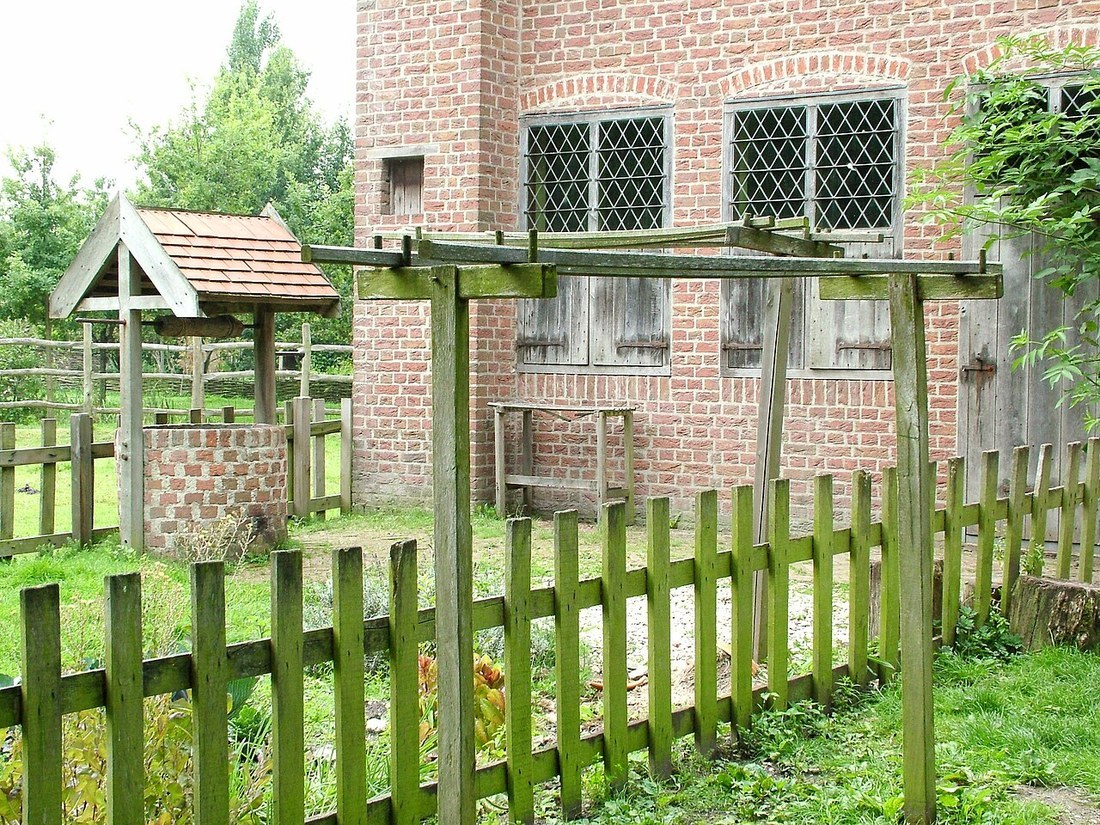
A fenced in yard changes how you use the space outside your back door. It turns an open patch of grass into a place where children can play, dogs can run without a leash, and you can sit outside without feeling watched by the whole street. A fenced in yard is not just a boundary line either. It affects privacy, security, noise, resale value, and how much work the garden needs through the year.
Before you buy timber or book a contractor, it helps to understand what different fences actually do, what they cost, and what can go wrong. Guides from This Old House are a useful starting point for comparing fence projects, but the right choice still depends on your soil, your neighbours, local rules, and how you plan to use the yard.
Why a Fenced Yard Is Worth the Effort
The most obvious benefit is containment. A secure fence keeps children and pets inside the property and keeps stray animals, and in some areas deer, out. For dog owners, that freedom matters daily. A dog that can go outside alone, safely, gets more exercise and is less likely to bolt through an open gate or chase traffic. For parents, a fenced area means younger children can play with balls, bikes, and water toys without constant worry about the road.
Privacy is the second reason most people build. A solid six-foot fence blocks direct views from neighbouring gardens and footpaths, which makes patios, hot tubs, and outdoor dining far more comfortable. It also softens sound. A fence will not make a busy road silent, but a solid timber or composite fence, with no gaps, can reduce traffic noise noticeably compared with an open wire fence.
Security and definition matter too. A clear boundary discourages casual trespass and makes it easier to spot when a gate has been left open. Estate agents often point to a well-kept fence as a selling point, especially for family buyers. It does not guarantee a higher sale price on its own, but a tidy, straight, freshly stained fence photographs well and signals that the property has been maintained.
Fence Types Compared
There is no single best fence. Each material trades appearance, cost, lifespan, and maintenance against the others.
Wood fencing
Wood remains the most popular choice for a private garden fence, and for good reason. Cedar and redwood resist rot and insects better than untreated pine, and they weather to a warm, natural colour. Pressure-treated pine is cheaper up front, but it needs staining or sealing to last. A typical wooden privacy fence is six feet high, built with vertical boards on horizontal rails, and posts set in concrete. With regular treatment, cedar can last 20 to 30 years, while pressure-treated pine often lasts 15 to 20 years. The downside is maintenance: boards warp, nails loosen, and stain fades, so expect to inspect and recoat every two to three years.
Vinyl fencing
Vinyl, or PVC, fencing costs more to install but needs very little upkeep. It does not rot, rust, or need painting, and a wash with soapy water usually restores its appearance. Vinyl privacy panels are solid, which is excellent for privacy and wind protection, although strong winds can put extra load on posts, so footings must be deep and well braced. Vinyl can crack in extreme cold if struck hard, and colour choice is more limited than wood, but a good vinyl fence can last 25 to 30 years.
Metal fencing
Aluminium and steel fences suit front gardens and properties where you want security without blocking the view. Aluminium will not rust, is light to handle, and works well on slopes because panels can be racked to follow the ground. Steel is heavier and stronger, making it better for high-security boundaries, but it needs a good powder coating to prevent rust. Neither gives full privacy on its own, although some designs add closely spaced pickets. Ornamental metal fences typically last 30 years or more.
Chain-link fencing
Chain-link is the budget option and the practical choice for large yards, dog runs, and sports areas. It is quick to install, lets light and air through, and does not block views. Galvanised and vinyl-coated versions resist rust far better than bare steel. The main drawback is privacy: neighbours can see straight through it unless you add slats, hedging, or climbing plants. For a small dog, choose a smaller mesh size and check the bottom rail carefully, because determined dogs can push under a loose fence.
Composite fencing
Composite boards, made from recycled wood fibre and plastic, look like wood but behave more like vinyl. They resist rot, splinters, and fading, and they need little more than occasional cleaning. Composite is heavy, so posts and rails must be strong, and the upfront cost is high. It is a good option if you want a wood look without the staining cycle, and most composite fences are rated for 25 years or more.
How Much Does a Fenced Yard Cost?
Costs vary by region, terrain, fence height, and whether you hire a contractor or build it yourself. As a rough guide for professionally installed fencing in the United States, wood typically runs $15 to $45 per linear foot, vinyl $20 to $60, chain-link $10 to $25, aluminium $25 to $55, and composite $30 to $70. That means a 150-foot fence around a modest yard could cost roughly $2,250 to $6,750 for wood, or $4,500 to $10,500 for composite, before gates, removal of an old fence, or difficult ground conditions.
Gates add cost quickly. A simple walk gate might add $150 to $400, while a wide double gate for vehicle access can add $500 to $1,500 or more, especially with metal hardware, self-closing hinges, and a lock. Rocky soil, slopes, tree roots, and the need to remove concrete footings from an old fence all increase labour time. Always get at least three written quotes that break out materials, labour, gates, and disposal separately, so you can compare like with like.
Doing it yourself saves labour, which is often 40 to 60 percent of the total, but it is not free. You will need a post-hole digger or auger, a level, string lines, concrete, and at least one helper for long panels. A DIY fence also takes longer than most people expect: a two-person crew can often set posts one weekend and hang panels the next, weather permitting.
Height, Gates, and Safety
Height is a balance between privacy, rules, and appearance. Many local codes limit front-yard fences to three or four feet and allow six feet in the back yard, although rules differ by town and by homeowners association. Check before you order materials, because a fence that is too tall can lead to a forced removal. For dogs, height depends on the breed: a four-foot fence may contain a small, calm dog, but athletic breeds often need five or six feet, plus a design with no horizontal rails on the outside that act as a climbing ladder.
Gates deserve as much attention as the fence itself. A gate is the weakest point, and it is where most escapes happen. Choose self-closing hinges and a latch that children cannot easily open from outside, and make sure the gate swings in the direction that suits your path. Leave a small, even gap at the bottom for drainage, but not so large that a small dog can squeeze under. For pool areas, many codes require a self-latching gate at a set height, with no climbable parts nearby, so check pool safety rules separately.
For child safety, avoid wide gaps between pickets, sharp pointed tops at head height, and loose boards that can be pulled off. For pets, walk the finished fence line and look for gaps at corners, under gates, and where the fence meets a shed or house wall. Dogs are good at finding the one weak spot you missed. Adding a buried wire apron or concrete curb along the base can stop digging in problem areas.
What to Check Before You Build
Start with the property line. Do not assume the old fence, hedge, or mowing line marks the true boundary. A survey, or at least a check of your deed and any recorded easements, can prevent an expensive dispute. Talk to neighbours early, especially if you plan to replace a shared fence. In many areas, neighbours share the cost of a boundary fence, but customs and laws vary, so put any agreement in writing.
Next, call your local utility locator before digging. In the United States, dialing 811 arranges free marking of underground lines, and similar services exist elsewhere. Hitting a gas, water, or power line is dangerous and costly. Also check for planning permission, conservation-area rules, and homeowners association approvals. Some associations restrict materials, colours, and even fence styles.
Think about drainage and access too. A solid fence can trap water if it blocks a natural drainage path, so leave gaps or use gravel boards where water needs to pass. Keep access for mowing, bins, and maintenance: a removable panel or a wide gate at the back saves a lot of lifting later. If you are planning the wider garden as well, ideas for making a compact outdoor space work harder can help you place seating, planting, and storage inside the new boundary; see these small backyard ideas for layout inspiration before you fix the fence line.
Maintenance That Keeps a Fence Standing
A fence fails slowly, then all at once. The usual culprits are posts rotting at ground level, rails sagging, and gates dropping on their hinges. Walk the fence twice a year, after winter and after summer storms, and push each post to check for movement. Tighten loose screws, replace cracked boards promptly, and keep soil, mulch, and climbing plants away from the base of wooden posts, because constant damp speeds rot.
Wood fences benefit from a penetrating stain or sealant, applied to dry timber in mild weather. Vinyl and metal fences mainly need cleaning and a check of caps, hinges, and latches. Trim hedges and vines so they do not pull panels out of alignment, and clear leaves from the base in autumn. A small repair in spring is far cheaper than replacing a whole run of fence after a storm.
Frequently Asked Questions
How tall should a fence be for a fenced in yard?
For most back yards, six feet gives good privacy and contains most dogs. Four feet suits a front yard or a decorative boundary, while five feet is a useful compromise for medium dogs and moderate privacy. Always check local height limits first.
What is the cheapest fence for a large yard?
Chain-link is usually the cheapest installed option, followed by pressure-treated wood. If you can build it yourself, a simple wooden post-and-rail fence with wire mesh can be even cheaper, but it offers little privacy.
Do I need permission to build a fence?
Often you do not need full planning permission for a standard back-yard fence, but height limits, front-yard rules, conservation areas, and homeowners association rules can still apply. Check with your local planning office and association before building.
How long does a wood fence last?
A well-built cedar fence can last 20 to 30 years, and pressure-treated pine typically lasts 15 to 20 years. Lifespan depends on drainage, ground contact, climate, and whether the wood is stained or sealed regularly.
Can a fence really reduce noise?
A solid fence with no gaps can reduce road noise, especially if it is tall, close to the noise source, and backed by dense planting. It will not block all sound, and a fence with gaps or thin boards performs much worse than a solid, well-sealed one.
Conclusion
A fenced in yard is one of the most practical upgrades you can make to a home. Choose the material that fits your budget and maintenance appetite, confirm the boundary and local rules, invest in strong posts and a good gate, and plan for simple upkeep. Done well, the fence will quietly do its job for decades: keeping pets and children safe, giving you privacy, and making the garden a place you actually want to spend time in.
Ready to start? Measure your yard, mark the corners, get three quotes, and talk to your neighbours before you dig. That first hour of planning is what separates a fence that lasts from one that leans within two winters.
