

Walk into a furniture shop and you will hear the terms used as if they mean the same thing, but the bookcase vs bookshelf question matters once you start measuring a wall, counting books, and working out what else needs a home. A bookcase is usually the larger, enclosed piece of furniture, while a bookshelf is often a single shelf or a simpler, open set of shelves. That distinction sounds small, yet it changes how much weight the unit can hold, how dusty your books get, and whether the piece looks built-in or freestanding in a room.
In this guide, we look at both options in practical terms: their usual sizes, the materials they are made from, what they cost in the UK and US markets, and which one suits a living room, bedroom, home office, hallway, or children’s room. By the end, you should be able to walk past the showroom labels and choose by structure, not by the name on the ticket.
What Is a Bookcase?
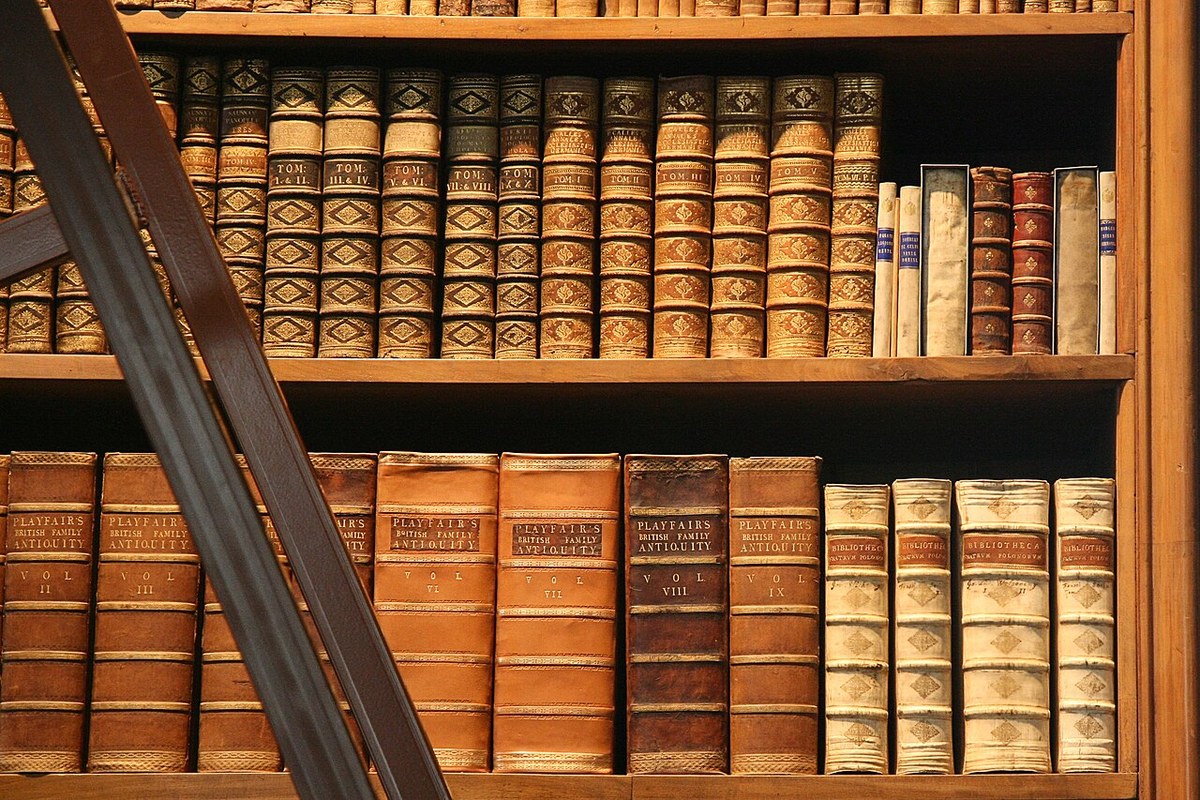
A bookcase is a freestanding cabinet with multiple fixed or adjustable shelves, a back panel, and side panels that form a complete frame. Many bookcases also have a top, a plinth or base, and sometimes glass doors, solid doors, or a combination of open shelves and closed cupboards at the bottom. The word itself points to that enclosed character: it is a case for books, in the same sense as a display case or a storage case.
According to the dictionary definition of a bookcase, it is a set of shelves for books, but in everyday furniture use the term usually implies the whole unit rather than one shelf. That is why retailers often list a five-shelf, 180 cm tall unit as a bookcase, even when most of its shelves are open. It is the frame that gives it its name, and the frame is also what makes it sturdier and easier to anchor to a wall.
Bookcases work best when a collection is large, heavy, or worth protecting. Hardbacks, art books, vinyl records, and box files put real load on a shelf, and a framed case spreads that load through its sides and back. A bookcase with doors also keeps out dust, cooking grease in an open-plan kitchen-diner, and curious toddlers. The trade-off is bulk: a bookcase takes up more visual space, needs a flat wall, and can look too formal for a small, relaxed corner.
What Is a Bookshelf?
A bookshelf is, strictly speaking, one shelf for books. In common use, however, people also call a small open shelving unit a bookshelf, especially when it has no back, no doors, and no closed base. Think of a two- or three-tier wall-mounted shelf, a short ladder shelf leaning against a wall, or a simple pine unit that you could carry upstairs on your own.
Because bookshelves are lighter and more open, they suit display as much as storage. A row of paperbacks, a plant, a framed photograph, and a small clock can sit together without the unit looking like a library wall. That openness is also the weakness. Without a back panel, books can be pushed too far back, dust settles quickly, and a tall, narrow shelf can feel wobbly unless it is fixed to the wall. A single wall-mounted shelf also has a strict weight limit, often 10 to 20 kg depending on the fixings and the wall material, which is far less than a framed bookcase can carry.
The two words overlap in shops and in search results because sellers know shoppers use them interchangeably. A retailer may call the same 120 cm unit a bookshelf in one listing and a bookcase in another. Rather than arguing about the label, check four things: does it have sides and a back, does it have doors or a closed section, how tall and deep is it, and how is it fixed to the wall? Those answers tell you what you are actually buying.
Key Differences at a Glance
The clearest difference is structure. A bookcase has sides, a back, and a top, so it stands on its own and defines a bay of storage. A bookshelf may have none of those, or only a thin frame. That affects stability, too. A bookcase, especially one over 150 cm tall, should still be anchored to the wall with the strap or bracket supplied, because a full shelf of hardbacks can weigh 25 to 35 kg. A wall shelf, by contrast, depends entirely on its fixings: plasterboard needs proper anchors, brick needs masonry plugs, and a shelf that looks level empty can sag once books are added.
Capacity is the second difference. A standard bookcase shelf is 25 to 30 cm deep, which fits most paperbacks and hardbacks with room to pull a book out by its spine rather than its top. Oversized art books need 35 cm or more, and that is where a deeper bookcase wins. A typical wall bookshelf is 20 to 25 cm deep, fine for paperbacks but tight for large-format books, which will stick out and collect dust on the exposed pages.
Protection and display pull in opposite directions. Doors and a back keep dust, sunlight, and pets away, but they also hide the spines and make a room feel heavier. Open shelves show off a collection and make it easy to grab a book, but they need dusting every few weeks and they expose books to direct sunlight, which fades cloth bindings over time. If you have first editions or signed copies, the closed option is worth the extra cost. If you rotate paperbacks constantly, open shelving is more practical.
Sizes and Dimensions That Actually Matter
Before you buy, measure three things: the width of the wall, the height to any picture rail, skirting, or socket, and the depth you can spare without blocking a door swing or walkway. Most living rooms can take a unit 80 to 100 cm wide and 180 to 200 cm tall, which gives five or six shelves. A narrow 40 to 60 cm unit fits beside a door or in an alcove, while a 120 cm wide bookcase can anchor a whole wall but needs two people to move and a van to deliver.
Shelf spacing matters more than total height. Paperbacks need about 20 to 23 cm of clear height, standard hardbacks need 24 to 28 cm, and large coffee-table books need 32 to 38 cm. Adjustable shelves solve this problem: move one shelf up by 5 cm and a whole row of tall books fits without wasting space above the paperbacks. Fixed shelves look tidier, but they force you to lay tall books flat or leave a gap that collects clutter.
Depth is often overlooked. A 28 cm deep bookcase holds a row of books plus a small plant or bookend in front, while a 20 cm shelf leaves no room for anything else. In a hallway, however, 20 cm is often the maximum before the unit starts to pinch the walkway. Leave at least 90 cm of clear passage in a hallway and 75 cm beside a bed, and check that a door, radiator, or light switch is not hidden behind the new unit.
Styles: From Ladder Shelves to Built-In Walls
Ladder shelves lean against the wall and get deeper toward the bottom, which suits plants and paperbacks but not heavy hardbacks on the top tiers. Cube storage, with square openings of about 30 to 35 cm, suits children’s rooms and vinyl because each cube limits the weight and keeps items separated. A traditional bookcase with a cornice top and panelled sides suits a period living room, while a low, wide bookcase under a window doubles as a bench or display ledge.
Wall-mounted bookshelves, including floating shelves, keep the floor clear and work well in small bedrooms and home offices. A single 90 cm floating shelf above a desk gives room for reference books without taking desk space. A run of three floating shelves up a staircase wall turns dead space into a library, but each shelf must be level, the fixings must hit studs or solid brick, and the total load should stay well below the manufacturer’s rating.
Built-in bookcases, fitted into alcoves either side of a chimney breast, look the most expensive and usually are, because they are measured, cut, and painted to fit. They also add the most value visually: a wall of books around a fireplace makes a room feel finished in a way a freestanding unit rarely does. If you rent, a freestanding bookcase is the safer choice, because it moves with you and leaves only small anchor holes to fill.
Materials: What Holds Up and What Sags
Solid wood, such as oak, pine, walnut, or ash, is the most durable choice and the easiest to repair. A solid oak shelf 25 mm thick will hold hardbacks for decades without sagging, and scratches can be sanded out. It is also the heaviest and most expensive, and pine in particular dents easily, so it suits a painted finish or a rustic room better than a formal library.
Engineered wood, including MDF and particleboard with a veneer or laminate finish, dominates the mid-price market for good reason. It is stable, it takes paint well, and it keeps prices down. The risk is sag: a particleboard shelf longer than 90 cm, loaded with hardbacks, can bow in the middle over a year or two. Look for shelves at least 18 mm thick, a centre support on wide units, and adjustable shelves so you can shorten the span if needed. Keep engineered wood dry, because a leak or a damp wall can swell the board permanently.
Metal frames with wood shelves suit industrial rooms and home offices, and they are often the strongest option for the price. Steel uprights and brackets carry heavy loads well, and open metal frames keep a room feeling light. Glass doors look smart on a bookcase, but they add weight, need cleaning, and can rattle if the hinges are cheap. For a children’s room, rounded corners, a low height, and a wall anchor matter more than the material itself.
Costs: What to Expect Before You Buy
Prices vary widely, but a realistic range helps. A simple wall-mounted bookshelf or a pair of floating shelves usually costs £20 to £60 in the UK, or $25 to $80 in the US. A small freestanding bookshelf or ladder shelf is typically £40 to £120, or $50 to $150. A mid-range five-shelf bookcase in engineered wood is usually £100 to £300, or $120 to $350, while a solid wood bookcase of similar size is often £400 to £1,200, or $500 to $1,500. A bookcase with glass doors, a closed base, or a built-in finish can pass £1,000, or $1,200, quickly, and a fully fitted alcove unit can cost several thousand pounds or dollars once measuring, joinery, and painting are included.
Delivery and assembly are part of the real cost. Flat-pack units are cheaper to ship but take one to three hours to build, and a tall bookcase is much easier with two people. Check whether wall fixings are included, whether the unit needs a specific wall type, and whether the retailer will take packaging away. A cheap unit that sags in a year is not a bargain; a mid-range unit with thick shelves and a proper back panel usually lasts far longer.
Which Should You Choose for Each Room?
Living room
Choose a bookcase if the living room is the main library and you want a focal point. A pair of matching bookcases either side of a sofa or fireplace looks deliberate, and closed lower cupboards hide games, chargers, and remote controls. Choose open bookshelves if the room is small, if you want to display art and plants alongside books, or if you only keep 30 to 50 books and prefer a lighter look.
Home office
Choose a bookcase with adjustable shelves for reference books, binders, and box files, and keep the heaviest files at waist height rather than overhead. A wall shelf above the desk is useful for books you reach for daily, but it should not be the only storage if you work with large manuals. For small-space ideas that pair well with a tidy desk, see our guide to cabinet door storage for ways to keep everyday supplies close without filling every shelf.
Bedroom
A low bookcase, 90 to 120 cm tall, works as a bedside library and a display surface without dominating the room. A single wall shelf above a bed is fine for a few paperbacks, but avoid heavy hardbacks directly overhead. In a small bedroom, a narrow 40 cm bookcase in an unused corner often holds more than a wide shelf that blocks a wardrobe door.
Children’s room
Choose a low, wide bookshelf or a low bookcase that a child can reach without climbing. Forward-facing book bins and low shelves encourage independent reading, while tall units must be anchored and kept free of heavy items on top. Cube storage is practical here because each cube holds a manageable set of books and toys, and a damaged cube can be replaced without replacing the whole unit.
Hallway and landing
Use shallow bookshelves, 15 to 20 cm deep, in a hallway so the walkway stays clear. A slim bookcase on a landing can turn a wasted corner into a reading nook, provided it does not block a fire escape route or a door. Always anchor hallway furniture, because it is bumped more often than furniture in a living room.
Frequently Asked Questions
Is a bookcase the same as a bookshelf?
Not quite. A bookcase is usually a complete framed unit with sides, a back, and several shelves, while a bookshelf can be a single shelf or a lighter open unit. Shops use the words interchangeably, so check the structure, dimensions, and fixings rather than relying on the label.
Which holds more weight, a bookcase or a bookshelf?
A framed bookcase usually holds more, because its sides and back share the load and it stands on the floor. A wall-mounted bookshelf is limited by its brackets and wall type, so a single shelf may safely hold only 10 to 20 kg, while a floor-standing bookcase can hold a full row of hardbacks on each shelf if it is well made and anchored.
Do I need to anchor a bookcase to the wall?
Yes, for any tall unit, and especially in homes with children or pets. Use the strap or bracket supplied, fix it into a stud or solid wall where possible, and follow the manufacturer’s instructions. A loaded bookcase is top-heavy, and a small bump or a child climbing can tip it forward.
How deep should a bookcase be?
For most books, 25 to 30 cm is ideal. Paperbacks fit easily, hardbacks sit flush, and there is room for a bookend. Choose 35 cm or more for art books and vinyl, and 20 cm or less only for a hallway or a narrow wall where floor space is tight.
Are glass doors worth it?
Glass doors are worth it if you want to cut dusting, protect valuable books, or keep a display looking tidy. They add cost and weight, and they need occasional cleaning, but they also let you see the spines while keeping the collection enclosed. For everyday paperbacks that you grab and return often, open shelves are faster and cheaper.
Conclusion
If you have a large, heavy collection and a wall to spare, a bookcase is the safer, longer-lasting choice. If you have a small collection, a tight corner, or a room where display matters as much as storage, a bookshelf gives you flexibility without the bulk. Measure first, check shelf spacing and depth, and choose the structure that fits the books you actually own, not the label on the box.
Start by counting your tallest books, measuring your wall, and deciding whether you need doors, adjustable shelves, or a unit you can take with you when you move. Then browse with those numbers in hand, and you will end up with storage that looks right, holds its load, and still leaves room for the next book you bring home.
