
Pickleball vs padel is the debate every new racket-sport player seems to be having in 2026. Both games are growing at a remarkable pace, both are easier to pick up than tennis, and both promise fun, social, low-impact exercise. But they are not the same sport: the courts, rackets, rules and costs differ in ways that genuinely matter for a beginner. In this complete guide, we compare pickleball and padel side by side — covering the rules, equipment, costs and learning curve of each — so you can decide with confidence which game to try first.
Whether you want the cheapest way onto court, the quickest route to enjoyable rallies, or simply a new hobby that keeps you active, this pickleball vs padel breakdown gives you everything you need to choose the right sport for your lifestyle and budget.
What Is Pickleball?
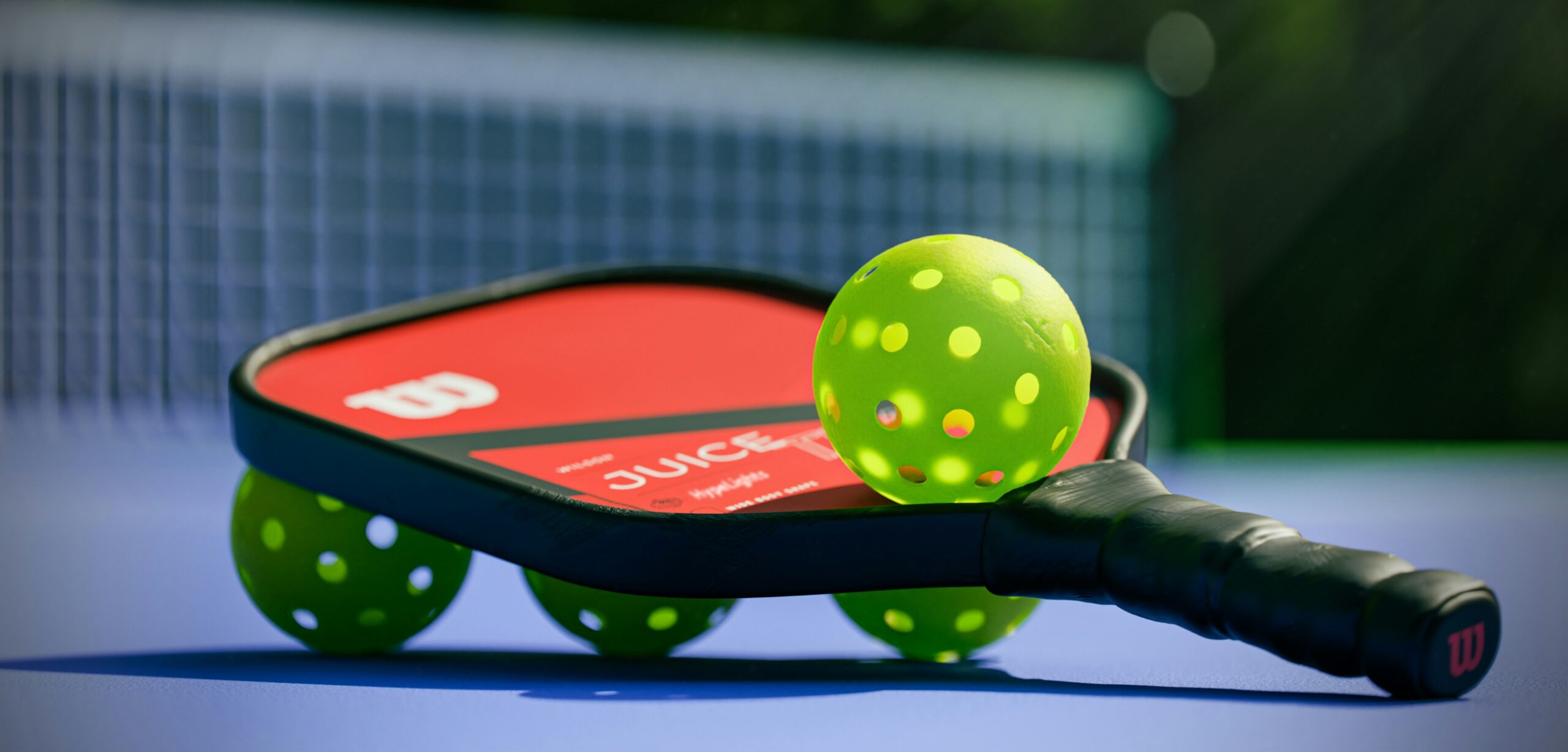
Pickleball is a paddle sport invented in the United States in 1965 that blends elements of tennis, badminton and table tennis. It is played on a compact court measuring 20 by 44 feet — the same dimensions as a badminton doubles court — with a slightly lowered net, a solid paddle and a lightweight perforated plastic ball.
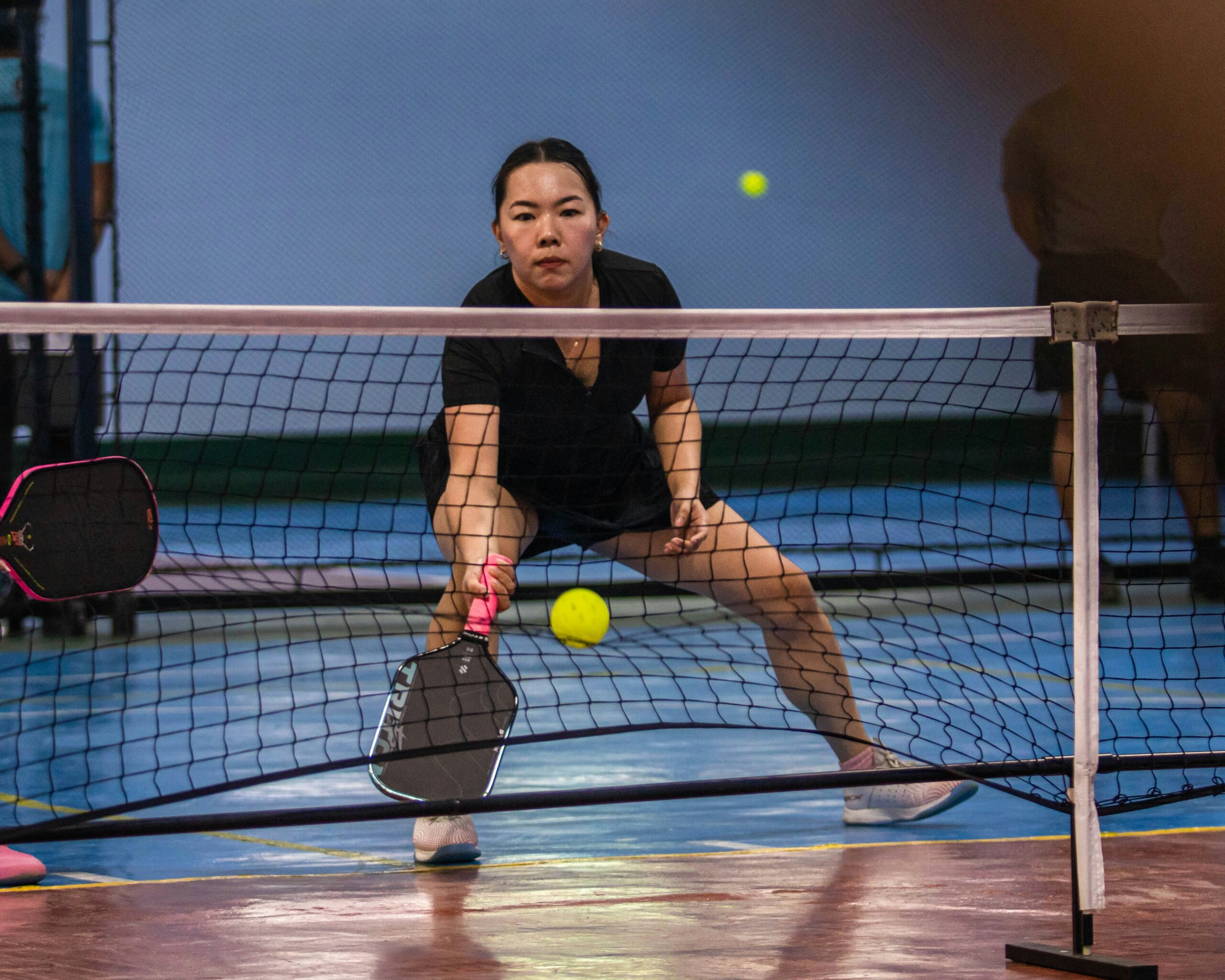
The sport is most commonly played as doubles. Its signature feature is the “kitchen”: a seven-foot no-volley zone on both sides of the net where players are not allowed to hit the ball out of the air. Serves are made underhand and diagonally, only the serving side can score points, and games are usually played to 11 points (you must win by two).
Pickleball’s appeal for newcomers is straightforward. The court is small, the ball travels slowly, rallies last a long time, and most people enjoy genuinely competitive games within their very first hour of play. It is also an unusually social sport: the doubles format and the welcoming culture around community courts make it easy to meet fellow players. The official rules are maintained by USA Pickleball, the sport’s national governing body in the United States.
What Is Padel?
Padel — sometimes called padel tennis — was created in Mexico in 1969 and has since become one of the fastest-growing sports across Europe and Latin America. It is played exclusively as doubles on an enclosed court of about 10 by 20 metres, roughly one-third the size of a tennis court, surrounded by glass walls and metal mesh that form an active part of the game.
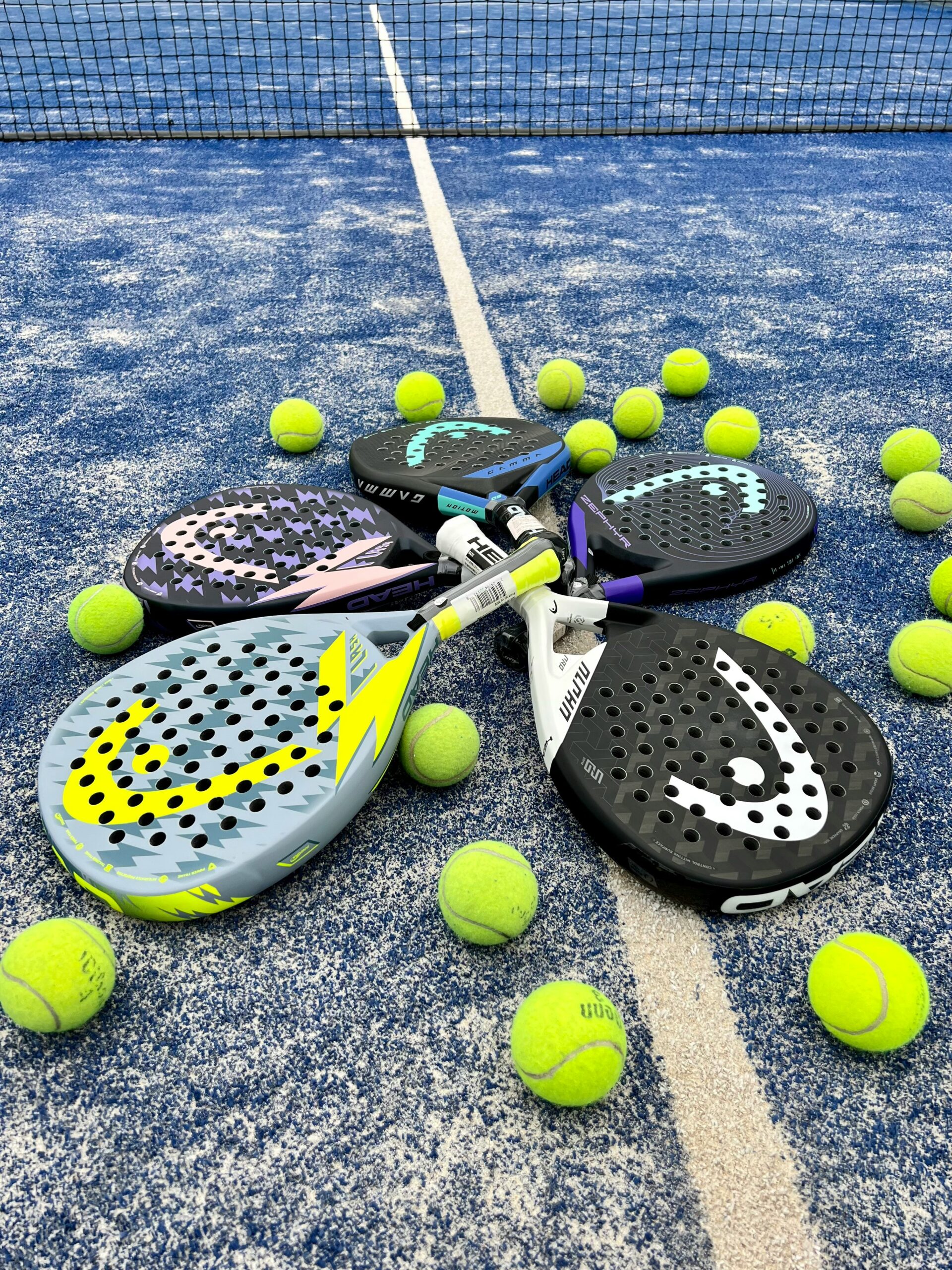
Players use a short, stringless racket (called a “pala”) with a perforated face and a slightly depressurised tennis ball. Serves are underhand and must be struck below hip height. Scoring follows the traditional tennis system of 15, 30, 40 and game. The defining twist is the walls: after the ball bounces, players may play it off the glass or mesh, similar to squash, which keeps rallies alive far longer than in most racket sports.
For beginners, padel is attractive because the enclosed court keeps the ball in play, the underhand serve removes the most technically demanding shot in racket sports, and the walls add a forgiving, playful dimension. Even a slightly mistimed shot can stay in the rally, which makes early games feel rewarding rather than frustrating.
Pickleball vs Padel: Rules Compared
This pickleball vs padel rules comparison gives you a quick side-by-side view of how the two sports differ on court.
| Aspect | Pickleball | Padel |
|---|---|---|
| Court | 20 x 44 ft open court with a 34-inch net | 10 x 20 m enclosed court with glass and mesh walls |
| Format | Singles or doubles (doubles most popular) | Doubles only |
| Serve | Underhand, diagonal, ball must bounce | Underhand below hip height, diagonal, ball must bounce |
| Scoring | Only the serving side scores; games to 11, win by 2 | Tennis scoring (15/30/40); usually best of three sets |
| Walls | No walls — out of bounds is out | Walls are in play after the bounce |
| Volleys | No volleys inside the 7-foot “kitchen” | Volleys allowed from anywhere |
| Ball | Slow, light perforated plastic ball | Depressurised tennis ball with a lower bounce |
The practical takeaway: pickleball has simpler scoring and one unusual rule (the kitchen) to learn, while padel asks you to learn tennis-style scoring plus the tactics of playing off the walls.
Equipment Compared
In this part of our pickleball vs padel comparison, we look at equipment. Both sports need far less gear than tennis, which is part of their beginner appeal.
| Equipment | Pickleball | Padel |
|---|---|---|
| Racket | Solid paddle with a short handle (wood, composite or graphite faces) | Stringless perforated “pala” with a wrist strap |
| Ball | Perforated plastic ball, sold individually | Depressurised tennis balls, sold in cans |
| Footwear | Court shoes with good lateral support; shoes made for either sport work for both | |
| Extras | Comfortable athletic clothing and a water bottle; overgrips and a bag are optional nice-to-haves | |
Cost Comparison: Which Sport Is Cheaper?
Cost is often the deciding factor for beginners, and here the two sports diverge sharply.
| Cost item | Pickleball | Padel |
|---|---|---|
| Beginner paddle / racket | $30–$80 | $50–$120 |
| Balls | $2–$3 per ball; very durable | $6–$10 per can; lose pressure over time |
| Court hire (per hour) | Often free in public parks; $5–$20 indoors | $20–$60 at purpose-built centres |
| Group coaching (per hour) | $30–$60 | $40–$80 |
| Typical monthly cost (casual player) | $20–$60 | $60–$150 |
Pickleball is the clear winner on price. Because courts are small and simple, many communities have painted pickleball lines in public parks where play is completely free. Padel, by contrast, requires a purpose-built enclosed court, and those construction costs are passed on to players through higher booking fees.
Learning Curve: Which Is Easier to Learn?
When comparing the pickleball vs padel learning curve, both sports are far easier to learn than tennis, but they are not equal.
Pickleball has the gentler first hour. The underhand serve is easy, the slow ball gives you time to react, and the small court means you are never far from the action. Most beginners sustain real rallies within 30 minutes. The only concept that takes a little getting used to is the kitchen rule — remembering not to volley inside that seven-foot zone.
Padel is also beginner-friendly, but the learning curve is slightly steeper. The walls introduce positioning and timing skills that do not exist in other racket sports, doubles coordination matters more because the court is always shared by four players, and tennis-style scoring takes a session or two to internalise. Most players need three to five sessions before they start using the walls deliberately rather than by accident.
Verdict: if your priority is feeling competent as fast as possible, pickleball gets you there first. If you enjoy a slightly deeper tactical game and do not mind a few learning sessions, padel rewards the extra patience.
Where to Play: Finding Courts Near You
Once this pickleball vs padel guide has helped you pick your sport, the next step is finding somewhere to play. Both games are well served by beginner clinics and open-play sessions, which are the fastest way to meet playing partners at your level. If you are comparing local venues, our guide on how to find and choose the best gym near you can help you evaluate facilities, coaching options and memberships before you commit.
Availability differs by region: pickleball courts are now common in parks, schools and leisure centres across the US and UK, while padel is booming in dedicated commercial centres — so it is worth checking which option has better coverage in your area before buying equipment.
Pickleball vs Padel: Which Is Better for Beginners?
There is no single right answer, but for most beginners the decision comes down to three questions:
- Budget: if keeping costs low matters, choose pickleball. Free outdoor courts and cheaper gear make it the most affordable racket sport to start.
- Speed of learning: if you want enjoyable rallies in your very first session, choose pickleball. Its simpler rules and slower ball flatten the learning curve.
- Playing style: if you love tactical doubles and long rallies and do not mind paying more for court time, choose padel. The walls make every point feel dynamic once you learn to use them.
Our verdict: pickleball is the easier and cheaper starting point for the average beginner, while padel is the better pick if you are drawn to its unique wall play and the buzzing club scene growing around it in 2026. Honestly, many players end up enjoying both — they use different skills, and neither will feel like a wasted investment.
Frequently Asked Questions
Is padel harder than pickleball for beginners?
Slightly, yes. The walls, doubles positioning and tennis-style scoring add layers that take a few sessions to grasp, while most beginners rally comfortably in pickleball within their first hour.
Which is cheaper: pickleball or padel?
Pickleball is significantly cheaper. Paddles and balls cost less, and public courts are often free, whereas padel requires paid bookings at purpose-built enclosed courts.
Can tennis players switch to pickleball or padel easily?
Yes. Tennis players usually adapt to padel faster thanks to similar strokes and scoring, while pickleball’s kitchen rule and slower ball take a little adjustment — but both transitions are quick compared with learning tennis from scratch.
Which sport gives a better workout?
Both provide solid moderate-intensity cardio. Padel rallies tend to be longer and more explosive, while pickleball is gentler on the joints. Either is an excellent way to stay active.
Do I need a partner to start playing?
Not necessarily. Both sports are mainly played as doubles, but beginner clinics and open-play sessions at local clubs make it easy to meet partners at your level for either game.
Conclusion
In the pickleball vs padel debate, beginners cannot really lose: both sports are affordable to try, easy to learn and more social than almost any other form of exercise. If you want the quickest, cheapest route to fun rallies, start with pickleball. If the idea of tactical wall play in a buzzing padel club excites you, start with padel.
Ready to play? Book a beginner session at your nearest club this week — most offer low-cost taster sessions with equipment included. Then come back and tell us in the comments which sport you chose, and subscribe to Tech Beacon for more beginner-friendly sports guides.
