

Introduction to Picada: Unveiling a Timeless Culinary Masterpiece
In the vast world of international gastronomy, few concepts manage to bridge the gap between an intricate culinary technique and a vibrant social tradition quite like picada. Originating primarily in Spain’s northeastern regions of Catalonia and Valencia, this essential culinary secret is far more than a simple standalone sauce like mayonnaise or pesto. Instead, it serves as a foundational thickening and seasoning paste added near the very end of cooking. Its primary purpose is to bind ingredients, harmonize complex flavor profiles, and impart an unforgettably velvety texture to rustic stews, seafood broths, and rich meat braises. Understanding this traditional method unlocks a secret layer of flavor depth that home cooks and professional chefs have relied upon for centuries.
Interestingly, depending on where you are in the Spanish-speaking world, the term carries a fascinating dual identity that showcases the evolution of food culture across continents. While Iberian kitchens treat it as a finely pounded mortar-and-pestle paste made from nuts, bread, and aromatics, across the Atlantic in countries like Argentina and Uruguay, the word refers to an opulent social platter of cured meats, cheeses, and cold bites shared among friends. Both interpretations, however, share a common core philosophy: bringing rich, complementary elements together to elevate a meal into an unforgettable sensory experience. By exploring both the technical culinary paste and the celebratory grazing tradition, food enthusiasts can truly appreciate the richness of this global culinary heritage.
The Catalan Foundations: Essential Ingredients and Pounding Techniques
To understand the classic groundwork of traditional Catalan picada, one must look at its core components, which have remained virtually unchanged for generations. The foundation of this savory paste relies on a harmonious trio of fried bread, toasted nuts, and fresh garlic. The fried bread acts as the primary starch binder, which absorbs cooking juices and thickens sauces without requiring heavy creams or artificial thickeners. Nuts—most commonly blanched almonds, toasted hazelnuts, or pine nuts—provide essential lipids and an earthy, aromatic richness. Fresh garlic gives the mix its signature aromatic backbone, while fresh flat-leaf parsley contributes an essential touch of brightness that balances the heavy, nut-forward profile.
The traditional method of preparing this mixture demands a stone mortar and pestle, known locally as a morter. While modern food processors are undeniably convenient, purists maintain that mechanical blades crush and slice ingredients unevenly rather than properly bruising and emulsifying them. By hand-grinding garlic with a pinch of sea salt first, then adding toasted nuts and crispy bits of bread step-by-step, you create a cohesive, paste-like texture that releases volatile aromatic oils. Slowly incorporating a splash of warm cooking broth or white wine into the mortar helps transform the dense paste into a silky liaison, ready to dissolve seamlessly into a simmering pot.
Beyond the fundamental base ingredients, regional cooks often customize their paste with unique additions tailored to specific recipes. In coastal fishing villages, cooks frequently incorporate dried sweet peppers like ñora peppers, saffron threads, or even the fried liver of monkfish to infuse deep ocean flavor into seafood stews. In contrast, inland mountain recipes might feature dark chocolate, sweet biscuits, or a dash of cinnamon to add warmth and complexity to wild game or poultry dishes. This incredible versatility demonstrates that the technique is not a rigid formula, but rather a dynamic framework designed to complement whatever fresh, seasonal ingredients are available.
Culinary Application: How Picada Transforms Stews, Sauces, and Seafood
Mastering the application of this savory paste requires precise timing and heat control during the final stages of cooking. Unlike a starter aromatic base—such as a French mirepoix or an Italian soffritto that is sautéed at the beginning of a recipe—this paste is swirled into the pot approximately ten to fifteen minutes before the dish is removed from the heat. Adding the paste too early in the cooking process can cause delicate nuts to scorch or ruin the smooth emulsion, while adding it too late prevents the starches in the fried bread from fully hydrating and thickening the liquid into a luxurious sauce.
When swirled into a gently bubbling stew, the paste works magic on the texture and appearance of the dish. The starches instantly bind floating fat and water molecules together, transforming thin, watery liquids into a rich, glossy coating that clings effortlessly to meats and vegetables. Iconic Catalan recipes like suquet de peix (a classic fisherman’s seafood stew), braised chicken with crayfish (mar i muntanya), and hearty white bean dishes owe their signature depth and cohesive mouthfeel entirely to this step. The nuts impart a delicate nuttiness that rounds out harsh acidic notes, creating a perfectly balanced flavor profile across the entire dish.
The South American Evolution: Picada as a Symbol of Social Connection
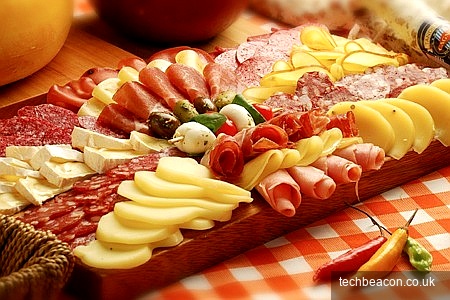
Across the Atlantic ocean, the term underwent a wonderful transformation, adapting into a legendary social ritual across South America, particularly in Argentina and Uruguay. In these vibrant cultures, a South American style picada refers to an informal, abundant spread of bite-sized treats, cured meats, artisanal cheeses, olives, and crusty bread served on large wooden boards. Rooted heavily in the traditions of Italian and Spanish immigrants who settled in the region during the nineteenth and twentieth centuries, this gathering style replaces structured individual courses with a relaxed, interactive dining experience focused around conversation, family, and shared hospitality.
A traditional platter in South America is curated with extreme care, balancing textures, fats, and tanginess across a variety of high-quality components. Essential cured meats (known as fiambres) include paper-thin slices of prosciutto, spicy salami, longaniza, and mortadella, often arranged in elegant fans or folded ribbons. Complementing the meats are various cheeses ranging from sharp, aged provolone and reggianito to creamy gouda and fresh mozzarella ball bites. Bowls of marinated green olives, pickled aubergines, roasted red peppers, toasted nuts, and warm baguette slices fill out the remaining space, making the board a feast for both the eyes and the palate.
The cultural importance of this grazing ritual cannot be overstated, as it serves as the ultimate backdrop for weekend family gatherings, pre-asado appetizers, and relaxed celebrations. Just as modern readers enjoy relaxing with popular lifestyle and entertainment news, gathering around a spread of delicious snacks offers a timeless way to unwind and bond with loved ones. The beauty of this tradition lies in its unhurried nature; guests graze slowly over several hours, enjoying good wine, cold beer, and rich storytelling while picking away at their favorite combinations from the central board.
Crafting the Perfect Modern Picada Board at Home
Designing a modern, aesthetically striking board at home requires paying attention to color harmony, spatial balance, and diverse flavor pairings. Begin by selecting a large rustic wooden board, slate slab, or ceramic tray to serve as your foundation. To create a visually appealing structure, place small ceramic ramekins or bowls filled with loose or wet ingredients—such as marinated olives, pickled peppers, honey, or dips—at asymmetrical points across the board. These ramekins serve as visual anchors around which you can frame your meats, cheeses, and crunchy elements.
When arranging ingredients, focus on creating contrast in colors and shapes to make the platter look lush and inviting. Fan out sliced salamis in overlapping arcs, twist thin ribbons of prosciutto into loose rosettes, and slice hard cheeses into neat triangular wedges or rustic crumbles. Fill in any remaining empty spots with vibrant fresh fruits like red grapes, sliced figs, or pomegranate seeds, which provide a welcome pop of color and a sweet counterbalance to savory meats. Finish the presentation with scattered walnuts, almonds, and sprigs of fresh rosemary or thyme to yield a restaurant-quality grazing board that instantly impresses your guests.
Masterclass Tips: Preserving Authenticity and Elevating Flavor Profiles
Whether you are preparing a traditional Catalan finishing paste for a slow-cooked stew or putting together an elaborate grazing board for a dinner party, following professional tips will elevate your results. When making the Iberian paste, always use high-quality extra virgin olive oil to fry your bread and nuts, as the oil absorbs and transfers rich flavors directly into the sauce. Keep a close eye on the heat; nuts and garlic contain delicate natural oils and sugars that can turn bitter rapidly if scorched. Toasting them slowly over medium-low heat until light golden brown ensures a warm, rounded flavor profile without any burnt notes.
For South American grazing platters, temperature management is key to unlocking maximum flavor. Cheeses should always be removed from the refrigerator at least thirty minutes to an hour before serving, allowing them to take on room temperature so their natural aromatics, textures, and milk fats fully blossom. Conversely, cured meats should remain chilled until just before assembly so they retain their shape and fresh appearance without weeping excess oils. By understanding the subtle nuances behind both the cooking technique and the art of presentation, you can confidently bring this timeless picada concept into your modern kitchen repertoire.
