

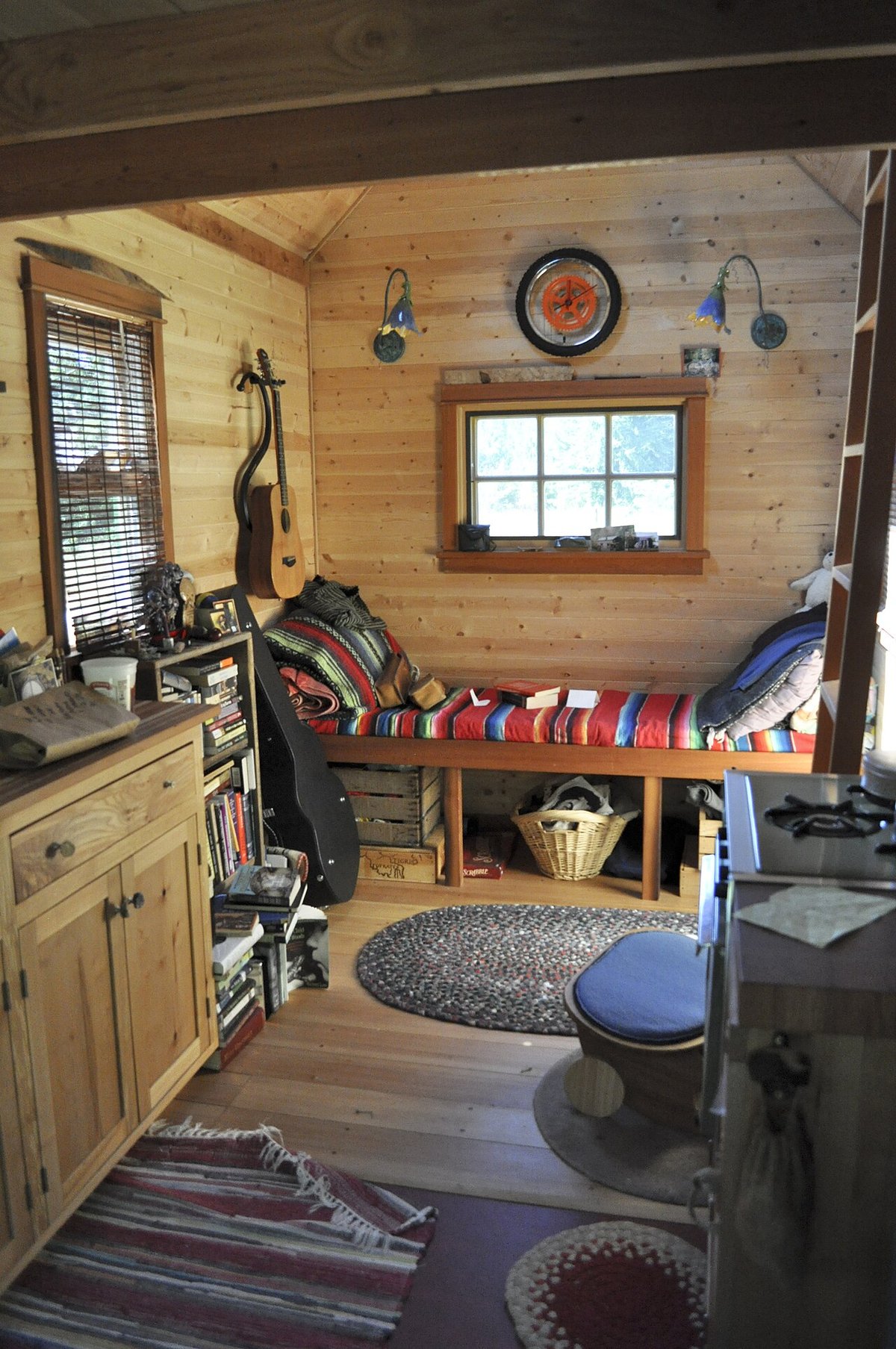
Learning how to organize small spaces is less about buying more storage products and more about making deliberate choices with the room you already have. Whether you live in a studio apartment, a tiny house, or a family home where every closet counts, the same principles apply: keep only what you truly use, give every item a designated home, and make your walls work as hard as your floor space. This guide walks you through 12 proven ideas that actually work, from ruthless decluttering to multipurpose furniture and simple lighting tricks that make rooms feel twice as large. For more expert inspiration, the small-space organization guide at Apartment Therapy is well worth a read alongside this article.
1. Start With Ruthless Decluttering
You cannot organize clutter — you can only move it around. That is why every serious attempt to learn how to organize small spaces starts with decluttering, not shopping. Before you buy a single bin or shelf, empty the space you want to fix and sort everything into four piles: keep, donate, trash, and relocate.
Be honest during this step. If you have not used something in a year and it has no genuine sentimental value, it is a candidate for donation. Duplicate kitchen tools, expired pantry items, clothes that no longer fit, and mystery cables are the usual suspects in small homes.
Work in short, focused bursts. Set a timer for 20 minutes and tackle one shelf, drawer, or corner at a time. Small wins build momentum, and momentum is what carries you through an entire apartment. Aim to remove at least a bag or box of items from every room.
Finally, adopt a one-in-one-out rule from this day forward. Every new item that enters your home should replace something that leaves. This single habit prevents the slow creep of clutter that fills small spaces faster than large ones.
2. Think Vertically: Your Walls Are Storage
When floor space is limited, the only way to grow is up. Walls, doors, and even the sides of cabinets offer square footage most people ignore. In a small home, vertical storage is not a bonus — it is the main event.
Add Shelves, Hooks, and Pegboards
Start with the walls. A few sturdy floating shelves above a desk, toilet, or entryway console can hold books, plants, and baskets without touching the floor. In the kitchen, a wall-mounted rail with hooks keeps utensils, mugs, and pans within reach. In a craft corner or packed closet, a pegboard lets you rearrange hooks and holders as your needs change.
Use the Backs of Doors
Then look at your doors. Over-the-door organizers turn the back of a bedroom, bathroom, or pantry door into a full storage zone for shoes, cleaning supplies, or toiletries. Because these solutions need no drilling in many cases, they are ideal for renters too. The rule is simple: if a wall is empty and you are short on space, it should be working for you.
3. Choose Multipurpose Furniture
In a small home, every piece of furniture should earn its footprint twice over. Before buying anything new, ask what two jobs it can do.
A storage ottoman is a footrest, extra seat, and hidden bin for blankets or board games. A bed with built-in drawers — or simply risers that create space for flat bins underneath — swallows an entire dresser’s worth of clothes. In the living room, a coffee table with a lift-top doubles as a work desk, and nesting side tables tuck away when guests leave.
Dining is another opportunity. A drop-leaf or extendable table seats two on weeknights and six when friends visit, while folding chairs hang on wall hooks instead of crowding a corner. Even a daybed can serve as both sofa and guest bed.
When each item serves more than one purpose, you need fewer items overall — and fewer items is the real secret behind every calm, organized small space.
4. Create Zones, Even in One Room
Open layouts feel bigger, but without structure they become dumping grounds where everything drifts everywhere. The fix is zoning: assigning each activity its own defined area, even within a single room.
Use rugs to anchor a living zone, a bookshelf turned sideways to separate a sleeping nook, or a folding screen to carve a workspace out of a studio. Lighting helps too — a floor lamp over an armchair instantly signals a reading corner.
Each zone then gets its own storage. Keep work supplies only in the work zone and hobby gear only in the hobby zone. When every activity has a home base, tidying becomes obvious: items simply return to their zone. Zoning is one of the most underrated answers to how to organize small spaces, because it brings order without adding a single piece of furniture.
5. How to Organize a Small Kitchen
Small kitchens punish clutter faster than any other room, because every inch of counter matters. Start by clearing the counters completely — appliances you use less than weekly belong in a cabinet or on a high shelf.
Inside cabinets, think in layers. Shelf risers double the usable space for plates and bowls, and tiered organizers keep spices and cans visible instead of lost in the back. Drawer dividers turn a jumbled utensil drawer into a tidy grid where everything has its place.
Do not overlook the insides of cabinet doors: slim racks, adhesive hooks, and magnetic strips turn this dead space into storage for spices, lids, wraps, and knives. Our guide to cabinet door storage shows simple ways to put every door to work without any drilling.
Finally, decant dry goods into uniform stackable containers. They use vertical space better than half-empty boxes and bags, and you will always see what you have. A small kitchen stays organized when everything is visible, reachable, and easy to put back.
6. How to Organize a Small Bedroom and Closet
Bedrooms in small homes must juggle sleep, storage, and often work. The biggest win is under the bed: flat rolling bins or vacuum bags hold off-season clothes, spare linens, and shoes in space you would otherwise waste.
In the closet, go vertical. Double-hang rods instantly double shirt space, slim matching hangers save inches on every garment, and hanging shelf organizers create cubbies for folded clothes and bags. A shoe rack on the closet floor or an over-the-door version keeps pairs visible and off the floor.
Keep surfaces minimal. Replace a bulky nightstand with a wall-mounted shelf or a small stool that holds only a lamp, book, and charger. When surfaces are clear, the whole room feels calmer and cleaning takes minutes.
For clothes, try a capsule approach: fewer versatile pieces you love beat a stuffed closet of maybes. With less to store, organizing a small bedroom stops feeling like a puzzle and starts feeling like a habit.
7. Brighten It Up: Lighting and Mirrors
Dark corners make small rooms feel even smaller. Layer your lighting instead of relying on one harsh overhead: a floor lamp, a table lamp, and warm task lighting create depth and make the space feel larger.
Mirrors are the oldest small-space trick in the book. A large mirror opposite a window bounces daylight deep into the room and visually doubles the space. Even a cluster of smaller mirrors on a dim wall adds brightness and interest.
Choose light colors for walls and large furniture, and keep window treatments sheer so daylight flows in. An organized small space that is also bright feels open, calm, and far more generous than its square footage suggests.

8. Habits That Keep Small Spaces Organized
Organization is not a one-time project — it is maintenance. The good news: in a small space, a few minutes a day is enough.
Do a ten-minute reset each evening. Return items to their zones, fold the throw blanket, clear the counters, and put tomorrow’s essentials by the door. Waking up to order sets the tone for the whole day.
Keep the one-in-one-out rule alive, and do a quick seasonal audit: open every cabinet and drawer, and remove what no longer earns its place. Small spaces fill up fast, so this quarterly check prevents slow creep.
Finally, store like with like and label opaque bins. When anyone in the household can see at a glance where things belong, putting them away takes seconds. These tiny habits are what separate a space that looks organized once from one that stays organized for good.
Frequently Asked Questions
What is the first step to organizing a small space?
Declutter before you organize. Remove everything you do not use, love, or need — donated, trashed, or relocated — and only then decide where the keepers live. Organizing clutter just hides the problem; removing it solves the problem. Start with one drawer or shelf so the task never feels overwhelming.
How do I maximize storage in a small apartment?
Use vertical space first: shelves, tall bookcases, pegboards, and over-the-door organizers. Choose furniture with hidden storage, like ottomans and beds with drawers, and use the insides of cabinet doors. Uniform stackable bins and vacuum bags for bulky textiles complete the picture.
What furniture works best in small spaces?
Multipurpose pieces: storage ottomans, sofa beds or daybeds, drop-leaf tables, nesting tables, and beds with drawers. Pick appropriately scaled items with visible legs, which make rooms feel airier, and avoid bulky oversized pieces that dominate the floor.
How do I keep a small space from looking cluttered?
Give everything a home and return items there daily. Keep surfaces mostly clear, use closed storage for visual noise, stick to a light color palette, and follow one-in-one-out so new items do not pile up. Mirrors and layered lighting also make rooms feel open.
How often should I declutter a small home?
Do a quick reset daily, a deeper tidy weekly, and a full declutter of every cabinet, drawer, and closet each season. Because small spaces fill up quickly, these regular check-ins keep clutter from quietly taking over again.
Conclusion: Small Space, Big Calm
Small spaces reward intention. When you declutter ruthlessly, store vertically, choose furniture that multitasks, and give every zone its own home, even the tiniest room can feel calm, open, and easy to live in. You do not need a bigger home — you need a smarter one.
Start today with a single drawer or shelf, and build from there. If this guide helped you learn how to organize small spaces, explore more home organization ideas on Tech Beacon and share your favorite tip in the comments below.
