

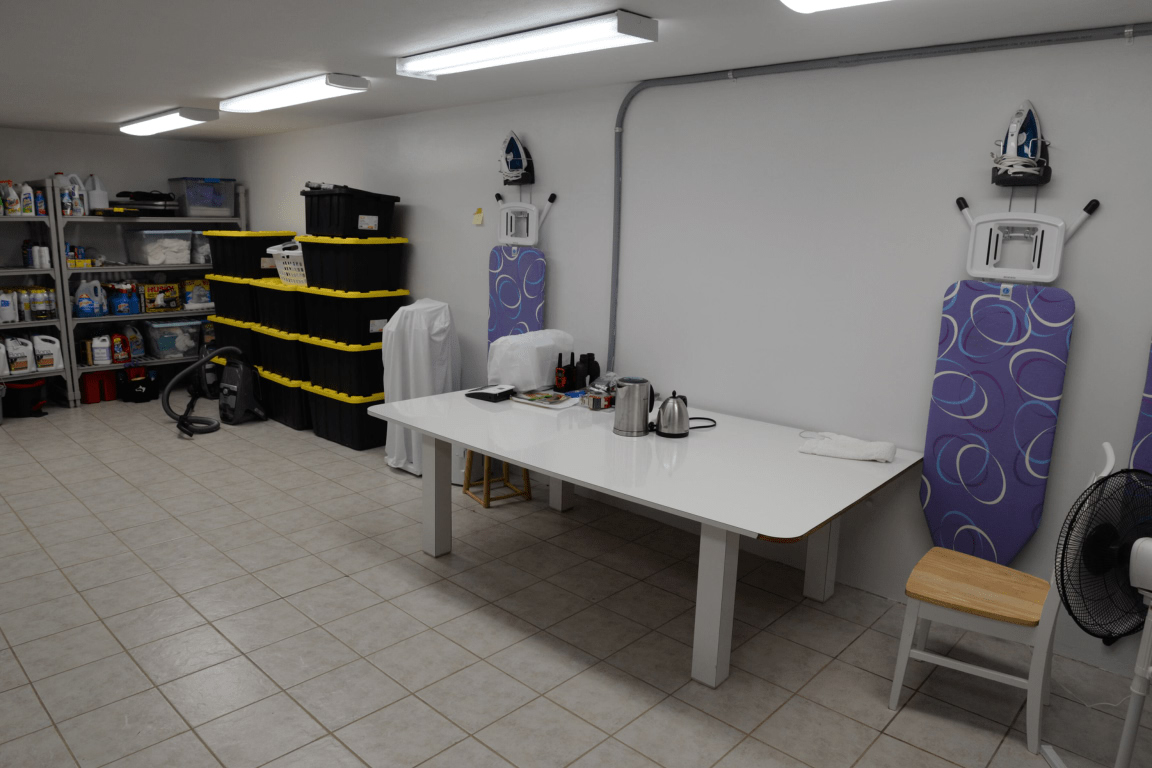
A well-organized laundry room can turn a dreaded weekly chore into a genuinely pleasant part of your routine, and few upgrades deliver as much impact for so little money as a floating shelves laundry room makeover. Unlike bulky cabinets that eat up precious floor space and block natural light, floating shelves give you open, accessible storage exactly where you need it: above the washer and dryer, beside the folding station, or along that awkward blank wall. In this guide, we share ten stylish floating shelf ideas, plus practical advice on choosing the right materials, installing shelves safely, and styling them so your laundry room looks as good as it works.
Why Floating Shelves Work So Well in Laundry Rooms
Laundry rooms are usually among the smallest rooms in the house, yet they have to store a surprising amount of stuff: detergent, stain removers, dryer sheets, laundry baskets, an iron, and assorted cleaning supplies. Floating shelves solve this problem elegantly. Because they have no visible brackets or bulky side panels, they create the illusion of more space while keeping everyday essentials within easy arm’s reach. They are also far cheaper and faster to install than custom cabinetry, and you can rearrange or restyle them whenever your needs change. Whether your laundry area is a dedicated room, a hallway closet, or a corner of the garage, open shelving adapts beautifully to all of them.
Another advantage is visibility. When supplies sit on open shelves instead of behind closed doors, you can see at a glance when detergent is running low or when you are out of dryer sheets. That simple visibility cuts down on duplicate purchases and last-minute store runs. It is one more reason a floating shelves laundry room stays organized with less effort.
10 Floating Shelves Laundry Room Ideas
Ready for inspiration? These ten ideas cover every laundry room layout, from compact closets to spacious dedicated rooms. Mix and match the ones that fit your space and storage needs.
1. Above Washer and Dryer Storage
The wall above your washer and dryer is prime real estate that often goes completely unused. Two or three floating shelves mounted here put detergent, fabric softener, and stain treatments exactly where you use them, with no bending or rummaging through cabinets. Keep the lowest shelf about 12 to 18 inches above the machines so lids can open freely. Best for: small laundry rooms where every inch of vertical space counts.
2. Detergent Display Station
Turn everyday supplies into decor by decanting detergent, scent boosters, and dryer sheets into matching glass jars and dispensers on a dedicated shelf. Uniform containers instantly make a shelf look intentional and tidy, even when the products themselves are purely practical. Add a small label to each jar for a boutique-laundry feel. Best for: anyone who loves an organized, Instagram-worthy laundry room.
3. Folding Station Shelf
If you have a countertop over front-loading machines or a standalone folding table, mount a shelf directly above it to hold the items you reach for while folding: a lint roller, a small basket for stray socks, and a spray bottle of wrinkle releaser. Everything stays off the work surface, leaving the full counter clear for clothes. Best for: busy households that fold laundry in large weekly batches.
4. Basket and Bin Storage
Woven baskets and fabric bins on floating shelves are the fastest way to hide visual clutter while keeping categories sorted. Dedicate one basket to cleaning rags, another to delicates bags, and a third to pet laundry supplies. Choose baskets that fit your shelf depth with an inch or two to spare so they slide in and out easily. Best for: families who want open shelving without the visual chaos.
5. Drying Rack Combo
Pair a sturdy floating shelf with a wall-mounted accordion drying rack underneath it. The shelf holds clothespins, delicates bags, and a small fan to speed up air drying, while the rack folds flat against the wall when not in use. This combo is brilliant for delicates and activewear that should never see the inside of a dryer. Best for: renters and small spaces without room for a freestanding drying rack.

6. Plant and Decor Accents
Laundry rooms deserve beauty too. Reserve one shelf, or one end of a shelf, for a trailing pothos, a small framed print, or a scented candle. Plants that tolerate humidity and low light, such as pothos, ferns, and peace lilies, thrive in laundry rooms and soften the hard surfaces of machines and tile. Best for: turning a purely functional space into one you actually enjoy walking into.
7. Ironing Essentials Nook
Give your iron, spray starch, and distilled water their own dedicated shelf near your ironing board setup. A heat-resistant silicone mat on the shelf lets you park a cooling iron safely, and a wall-mounted iron holder underneath keeps the board area clear. Everything for crisp clothes lives in one logical spot. Best for: anyone who irons regularly and is tired of hunting for supplies.
8. Corner Shelving for Awkward Spaces
Corners in laundry rooms often become dead zones. Two short floating shelves mounted at right angles turn a forgotten corner into handy storage for extra towels, backup supplies, or a first-aid kit. L-shaped arrangements also draw the eye upward, making narrow rooms feel taller and more finished. Best for: galley-style or closet laundry areas with tight footprints.
9. Under-Shelf Hooks for Hang-Dry Items
Screw a row of small hooks into the underside of a floating shelf to create instant hanging space for delicates, reusable shopping bags, or tomorrow’s outfit. This doubles the function of a single shelf without taking up any extra wall space. Use sturdy cup hooks rated for several pounds each so nothing ends up on the floor. Best for: maximizing function in rooms where wall space is limited.
10. Bulk and Seasonal Storage Up High
Mount one high shelf near the ceiling for the things you only grab occasionally: bulk detergent refills, seasonal linens, or the giant pack of paper towels. High shelves keep rarely used items accessible but out of the daily visual field, which keeps lower shelves calm and uncluttered. Keep a small folding step stool nearby for safe access. Best for: stockpilers and anyone with generous ceiling height.
How to Choose and Install Floating Shelves in a Laundry Room
Beautiful shelves are only half the battle; they also need to be safe and durable in a room full of moisture, vibration, and heavy bottles. Here is what to consider before you drill a single hole in your floating shelves laundry room.
Weight Capacity: What Your Shelves Can Really Hold
Laundry supplies are heavier than they look. A full bottle of liquid detergent can weigh 10 pounds or more, and a shelf loaded with supplies and baskets can easily top 40 pounds. Choose shelves and mounting hardware rated for at least 50 pounds per shelf when anchored into studs. Solid wood or thick MDF shelves with concealed metal bracket systems distribute weight best. If a product does not list a weight rating, treat it as decorative only and keep heavy items elsewhere.
Finding Studs and Choosing the Right Anchors
Always anchor floating shelves into wall studs when possible, especially above washers and dryers where vibration is constant. Use a stud finder to locate framing, and drive long screws directly into the studs through the shelf’s mounting bracket. If no stud lines up with your ideal shelf position, use heavy-duty toggle bolts rated for the load instead of basic plastic anchors. For a detailed walkthrough, This Old House publishes a step-by-step floating shelf installation guide that covers bracket types and leveling tricks.
Materials That Stand Up to Laundry Room Humidity
Washers and dryers pump warm, moist air into the room, so choose shelf materials that will not warp or swell. Sealed solid wood, marine-grade plywood, powder-coated metal, and high-quality melamine all handle humidity well. Avoid raw particleboard, which swells quickly in damp conditions. If you love the look of natural wood, seal every surface, including the underside and bracket holes, with polyurethane or a waterproof finish before installation.
Styling Tips for Laundry Room Shelves
Functional shelves can still look fantastic with a few simple styling rules. First, follow the rule of thirds: group items in odd-numbered clusters of three or five rather than lining everything up in a row. Second, mix heights and textures by combining tall detergent bottles, low baskets, and a trailing plant on the same shelf. Third, stick to a simple color palette of two or three tones so the display feels calm instead of chaotic. Finally, leave some breathing room; a shelf packed edge to edge reads as clutter, while a little negative space reads as design. These simple rules keep a floating shelves laundry room looking curated rather than cluttered. For even more hidden storage to complement your open shelves, explore these cabinet door storage ideas that put dead space to work.
Small Laundry Room Tricks
Working with a closet-sized laundry area? Floating shelves are actually your best friend in tight quarters, because they store upward instead of outward. Mount shelves all the way to the ceiling to exploit vertical space, and choose narrow 8-inch-deep shelves so they never jut out past the machines. Paint the shelves the same color as the walls so they visually recede, and add LED strip lights under the lowest shelf to brighten the work zone without a bulky fixture. Mirrors or glossy backsplash tiles behind the shelves bounce light around and make the nook feel twice as large. With these tricks, even the tiniest floating shelves laundry room can feel spacious and efficient.
Frequently Asked Questions
Planning a floating shelves laundry room of your own? Here are the answers to the questions we hear most.
How much weight can floating shelves hold in a laundry room?
It depends on the mounting. A floating shelf anchored into two wall studs with a quality concealed bracket system typically supports 30 to 50 pounds, which is plenty for detergent, baskets, and folded linens. Shelves held only by drywall anchors support far less, so always check the manufacturer’s rating and mount heavy-load shelves into studs.
How high should floating shelves be above a washer and dryer?
Leave 12 to 18 inches of clearance between the top of the machines and the lowest shelf. This gap accommodates top-loading lids, lets you lift detergent bottles comfortably, and keeps shelves clear of the heat and steam that rise off the dryer. Space additional shelves 12 to 15 inches apart vertically.
What is the best material for laundry room shelves?
Sealed solid wood, marine-grade plywood, and powder-coated metal perform best in the warm, humid air of a laundry room. Whatever you choose, make sure all surfaces are sealed against moisture, and avoid raw particleboard, which swells and sags when exposed to dampness over time.
Can I install floating shelves on drywall without hitting studs?
Yes, but only for light loads. Heavy-duty toggle bolts can support a moderately loaded shelf in drywall, but anything holding full detergent bottles or heavy baskets should be anchored into studs. When in doubt, choose the stud-mounted option; a shelf that pulls out of the wall is a far bigger problem than drilling one extra hole.
How do I keep open shelves in a laundry room dust-free?
Lint is the main culprit. Store supplies in closed jars, canisters, and lidded baskets instead of leaving them exposed, and wipe shelves with a damp microfiber cloth every week or two. A small lidded bin on the shelf for dryer lint and stray items keeps the mess contained between laundry days.
Conclusion
A floating shelves laundry room upgrade is one of the highest-impact, lowest-cost improvements you can make to your home. With ten versatile ideas, the right moisture-proof materials, and secure stud-mounted installation, you will gain organized, accessible storage that looks like a deliberate design choice rather than an afterthought. Pick one wall this weekend, mount your first shelf, and enjoy a laundry room that finally works as hard as you do. Have a favorite shelf styling trick? Share it in the comments below.
