

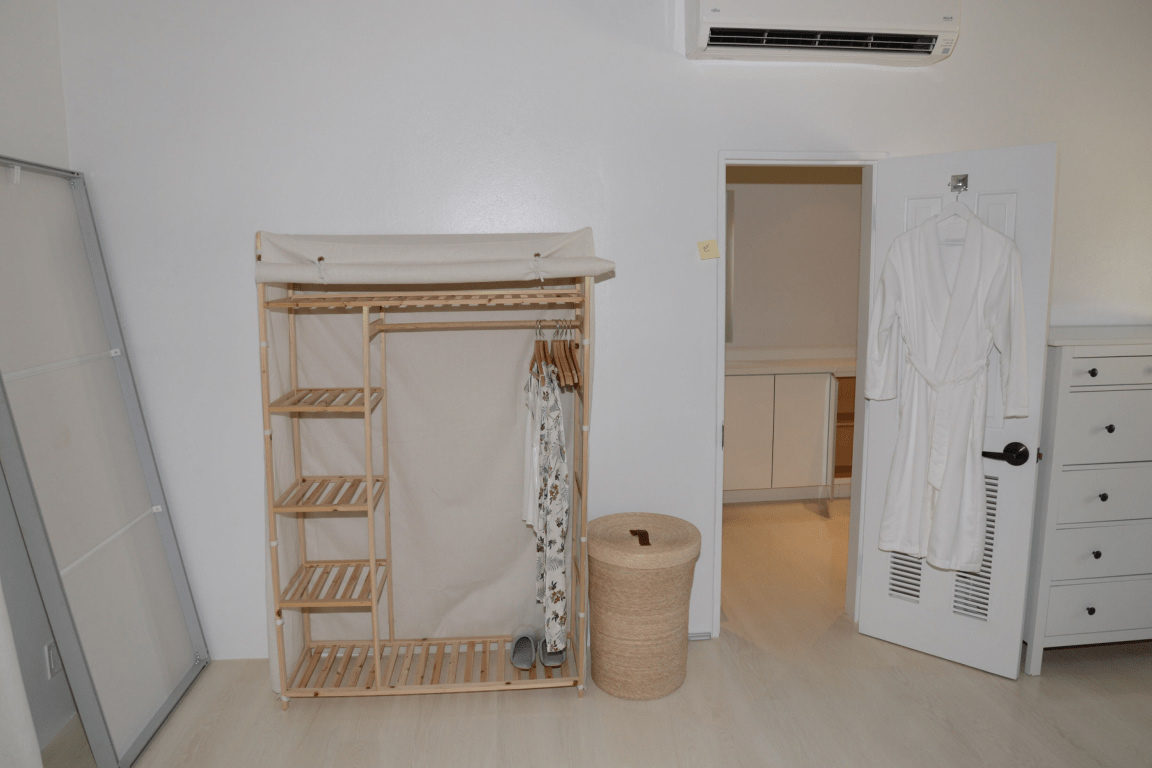
If every closet in your house feels stuffed and every flat surface seems to collect clutter, this declutter checklist will give you a clear path forward. Instead of vague advice, you get a room-by-room list of exactly what to toss, donate, and keep, so you can work through your home one space at a time without feeling overwhelmed.
A tidy home is not about owning as little as possible. It is about keeping the things that serve a purpose and letting go of the rest. Set aside a few hours, grab three bags or boxes, and use this guide as your printable-style checklist until every room is done.
How to Use This Declutter Checklist
Before you start, it helps to have a simple system. The best way to use this declutter checklist is to work through one room completely before moving on to the next. Trying to do the whole house at once is the fastest way to burn out, so pick the room that bothers you most and start there.
Set a timer for 30 to 60 minutes per session so the job stays manageable. Keep three containers on hand as you go: one for donations, one for trash, and one for items that belong in another room. For a second reference with whole-house timelines, this decluttering guide from The Spruce walks through a room-by-room plan that pairs well with the list below.
One more rule before you begin: do not buy organizing bins yet. Sort first, then measure what you actually need to store. You will save money and avoid filling new containers with things you should have let go.
The Donate, Trash, Relocate Sorting Method
Every item you pick up should land in one of three categories. This simple decision rule keeps you moving instead of agonizing over each object.
- Donate: gently used clothes, working small appliances, books, toys, and furniture in good condition. Bag everything up and schedule a drop-off the same week so donations do not creep back into the house.
- Trash or recycle: broken items, expired products, stained or worn-out textiles, and anything missing parts. Check your local recycling rules for electronics and hazardous materials like batteries and old paint.
- Relocate: things that belong in a different room. Drop them in the relocate box and put everything away in one trip when you finish the room.
When you are unsure about an item, ask yourself two questions: have I used this in the past year, and would I buy it again today? If the answer to both is no, it is time to let it go.
Bedroom Declutter Checklist
The bedroom should feel calm, and clutter works against that. Start with the visible surfaces, then move on to drawers and hidden storage.
- Clear the nightstands; keep only a lamp, the book you are reading, and true essentials like glasses or a phone charger.
- Sort the top dresser drawer and remove old receipts, dead pens, and tangled cables.
- Wash or donate bedding sets you never use; two sets per bed is plenty.
- Donate pillows that have lost their shape, and recycle old ones where facilities exist.
- Go through under-bed storage and toss anything you forgot was there.
- Remove clothes draped over chairs; hang them up, fold them, or donate them.
- Check on top of the wardrobe and behind doors for forgotten boxes and bags.
Living Room Declutter Checklist
Living rooms collect a little of everything: mail, remotes, toys, and half-finished projects. Give every item a home or give it away.
- Sort the coffee table and side tables; recycle old magazines and newspapers.
- Corral remotes, chargers, and game controllers into a single tray or drawer.
- Donate books and movies you will not revisit; keep a small curated shelf.
- Toss dried-out pens, broken toys, and board games with missing pieces.
- File or shred the mail pile, and switch bills to paperless where possible.
- Donate throw pillows and blankets you never reach for.
- Untangle and label the cable nest behind the TV stand.
Kitchen Declutter Checklist
Kitchens hide duplicates like no other room. Pull everything out of one cabinet at a time so you can see what you actually own before deciding what stays.

- Donate duplicate utensils, extra mugs, and single-use gadgets you tried once.
- Toss expired spices, stale pantry items, and anything freezer-burned.
- Recycle chipped mugs and plates, plus lids without matching containers.
- Clear the countertops; store small appliances you use less than weekly.
- Sort the junk drawer: keep a few genuinely useful tools and toss the rest.
- Donate cookbooks you never open and replace tattered dish towels.
- Wipe down empty shelves before putting keepers back in zones: cooking, baking, and food storage.
Bathroom Declutter Checklist
Bathrooms accumulate expired products fast. Check the dates on everything and be honest about what you actually use.
- Toss expired medications through a pharmacy take-back program, along with old sunscreen and dried-out cosmetics.
- Recycle nearly empty bottles and keep only the products in your current routine.
- Replace frayed towels and donate extras that are still in good condition.
- Clear the medicine cabinet and the area under the sink; use small bins to group categories.
- Toss worn-out loofahs, dull razors, and stretched-out hair ties.
- Donate duplicate styling tools and unopened products you will never use.
Closet and Paperwork Declutter Checklist
Closets and paper piles are where clutter goes to hide. Be decisive here: if it does not fit, flatter you, or serve a clear purpose, it goes.
- Try on questionable clothes; donate anything that does not fit or that you have not worn in a year.
- Toss single socks, stretched-out underwear, and worn-out shoes.
- Donate bags, belts, and accessories you never reach for.
- Shred old bills, statements, and junk mail; keep tax documents for the required retention period.
- Scan sentimental papers and kids’ artwork, then recycle the originals.
- Recycle expired memberships, warranties, and manuals for items you no longer own.
- Set up one inbox tray for incoming mail so paper never piles up again.
Maintaining a Clutter-Free Home
Finishing this declutter checklist feels great, but staying clutter-free takes small daily habits. Spend ten minutes each evening returning things to their places so mess never builds up again, and adopt a one-in, one-out rule: every new item that enters the house means an old one leaves. For a quick refresher before each seasonal tidy-up, bookmark our decluttering checklist and run through it room by room.
- Do a five-minute reset of each main room every evening.
- Keep a donation bag in a closet and add to it year-round.
- Unsubscribe from catalogs and marketing emails that encourage impulse buying.
- Revisit this checklist every three to six months, or before a move or a new season.
Declutter Checklist FAQs
How often should I declutter my home?
A full pass with this declutter checklist once or twice a year works for most households, with quick seasonal touch-ups in between. High-traffic spots like the kitchen junk drawer and the entryway benefit from a monthly five-minute reset.
What should I declutter first?
Start with the room that stresses you out the most, or go for the easiest win first, like a bathroom or a junk drawer. Quick wins build momentum for bigger areas like closets and the garage.
How do I start decluttering when I feel overwhelmed?
Shrink the task. Set a timer for 15 minutes and tackle one shelf or one drawer. The donate, trash, relocate method removes decision fatigue because every item has only three possible destinations.
What is the fastest way to declutter a room?
Work in a clear order: trash first, then donations, then relocations, and finally organize what stays. Avoid organizing before you sort, or you will waste time finding homes for things you should have removed.
Should I declutter before or after cleaning?
Declutter first. It is far easier to clean shelves, floors, and surfaces once the excess is gone, and you will not waste time dusting and wiping items you are about to donate anyway.
A Tidy Home Starts With One Room
You do not need a perfect home, just a calmer one. Work through this declutter checklist one room at a time, and you will be surprised how much lighter your space feels by the end of the weekend.
Ready to begin? Share this guide with someone who needs a fresh start, and explore more organizing ideas in our Home section.
