

Introduction to Charque de Llama and Its Cultural Heritage
Charque de llama, an ancient culinary masterpiece originating in the high Andes of South America, represents one of the most culturally significant food traditions of Bolivia and Peru. Prepared through an age-old preservation method where camelid meat is heavily salted and sun-dried under the intense high-altitude mountain rays, charque possesses an intensely savory, concentrated flavor profile and a distinctively crisp, fibrous texture when shredded and flash-fried. Historically created by Indigenous communities to sustain travelers across rugged mountain passes, this cured protein has successfully evolved from a rural survival staple into a prized culinary centerpiece served in metropolitan dining establishments worldwide. Today, curious food enthusiasts and homesick travelers alike actively seek out authentic Latin American kitchens to experience this remarkable dish, appreciating how centuries-old curing techniques lock in deep umami notes while transforming lean meat into an unforgettable gastronomic delight.
If you are an adventurous eater looking to broaden your culinary horizons, embarking on a search for the best charque de llama near me opens the door to vibrant Latin American dining cultures hidden right in your local metropolitan area. Finding a kitchen that honors traditional Andean recipes requires looking beyond standard taco shops or generic Tex-Mex diners and focusing on authentic Bolivian or Peruvian establishments. Many family-owned eateries take immense pride in sourcing genuine Andean ingredients, ensuring that every plate of charque retains its heritage flavor. When you successfully locate a spot serving high-quality regional dishes, you are treated to a symphony of contrasting textures, where crispy, salty strands of jerky contrast perfectly with soft starchy corn, creamy fried cheese, and refreshing spicy salsas that transport your tastebuds straight to the high-altitude streets of La Paz or Oruro.
Navigating foreign culinary landscapes locally can sometimes feel challenging, but resources like authentic restaurant reviews and global dining guides have made discovering regional specialties significantly easier for discerning food lovers. Understanding what makes a great Andean meal allows diners to evaluate local spots with confidence and enthusiasm. A genuine presentation, known traditionally as Charquekan, does not rely on heavy synthetic seasonings or modern shortcut methods; instead, it relies entirely on the natural synergy of quality cured meat, hydrated Andean giant corn, farm-fresh eggs, and stone-ground chili sauces. As South American gastronomy gains global acclaim, searching for local hidden gems ensures you support dedicated immigrant chefs who are passionate about preserving their ancestors’ rich culinary heritage while delivering exceptional dining experiences.
Key Elements of an Authentic Charquekan Dish
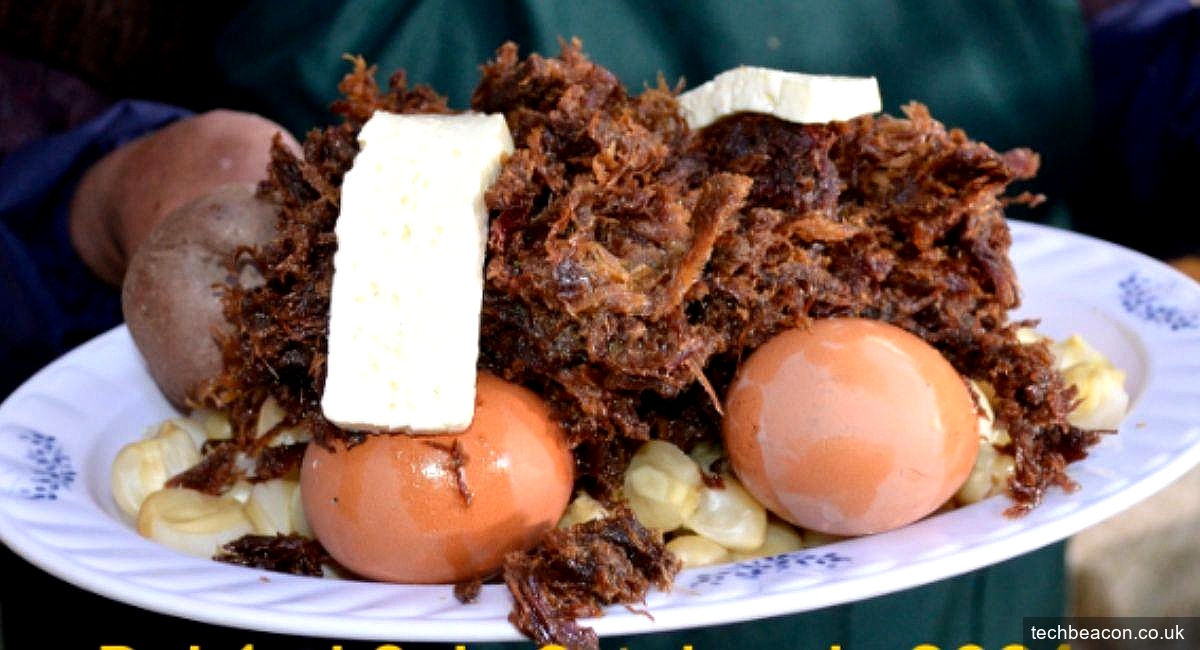
To truly appreciate the dish when hunting down the best charque de llama near me, one must understand the precise components that make up a traditional plate of Charquekan. At the core of the meal lies the charque itself, which must be carefully rehydrated in water, gently pounded with a mallet to break down muscle fibers, shredded into fine translucent threads, and quickly flash-fried in hot oil until deeply golden and crispy. This crisp protein is traditionally served over a massive bed of mote, which consists of large white Andean corn kernels soaked and boiled until tender, tenderly balancing the intense saltiness of the cured meat. Accompanied by a thick slice of fried quesillo—a salty, fresh white cow’s milk cheese—and a whole boiled or fried egg, the plate creates an extraordinary harmony of rustic flavors that satisfy even the heartiest appetites.
Another non-negotiable element that determines whether a local establishment serves authentic high-altitude food is the presence of real llajwa, the signature Bolivian table salsa. Prepared daily using a traditional stone mortar called a batan, authentic llajwa blends hot red or green locoto peppers with fresh tomatoes and a unique, aromatic Andean herb known as quilquiña. This vibrant sauce provides a sharp, herbal acidity and intense heat that effortlessly cuts through the richness of the fried meat and melted cheese. When evaluating regional restaurants, inquiring about their salsa preparation often serves as a reliable litmus test for quality, as shortcut salsas made with blended jalapeños or bottled hot sauces completely miss the essential herbal notes characteristic of genuine highland cooking.
Beyond the primary protein and sauces, traditional accompaniments often include chuño or tunta, which are freeze-dried potatoes produced through ancient nocturnal freezing and daytime sun-drying techniques native to the Altiplano plateau. These dark or white dehydrated potatoes offer a dense, slightly chewy texture and a deep earthy flavor that complements the salty crunch of the dried llama meat. The interplay between the crunchy charque, soft corn, rich egg yolk, chewy chuño, and fiery llajwa creates a multi-layered textural experience unmatched by modern fast casual foods, proving that traditional preservation techniques yield culinary magic when executed by skilled hands.
Strategic Tips for Finding the Best Charque de Llama Near Me
Locating authentic Andean dining options in non-native cities requires a strategic approach, as specialized establishments may not always possess massive marketing budgets or flashy storefronts. When beginning your digital quest for the best charque de llama near me, utilize hyper-specific search terms including “Bolivian restaurant,” “Andean gastronomy,” “Charquekan Orureño,” or “authentic South American grill.” Furthermore, exploring local Latin American food blogs, ethnic dining forums, and community social media groups often reveals word-of-mouth recommendations for family-run kitchens operating out of suburban shopping plazas or bustling international markets that might otherwise escape mainstream food directories.
Reading thorough customer feedback and inspecting diner-submitted photos provides crucial insights into a restaurant’s quality before you even step through the door. When researching options for the best charque de llama near me, look specifically for photos displaying long, finely shredded strands of meat rather than thick, chunky beef-like cuts, as proper shredding indicates laborious traditional preparation. Reviewers who mention traditional Bolivian drinks, native ingredients like mocochinchi, or regional music are strong indicators that the establishment caters to an authentic community base that demands uncompromising adherence to traditional Bolivian culinary standards.
Another fruit-bearing strategy involves visiting local South American food festivals, cultural heritage celebrations, and international food halls during weekend markets. Independent vendors and pop-up chefs frequently showcase regional comfort foods at these gatherings, serving hot plates of Charquekan directly to passionate crowds. Engaging directly with vendors provides a fantastic opportunity to ask about their sourcing practices, as many dedicated cooks import dried llama meat directly from certified South American suppliers to ensure absolute authenticity in texture, aroma, and flavor profiles.
Nutritional Advantages and Sustainability Profile of Llama Meat
Beyond its rich cultural history and captivating taste, llama meat stands out as one of the most nutritious and environmentally sustainable animal proteins available anywhere on the planet. Naturally adapted to harsh high-altitude environments, llamas possess exceptionally lean muscle tissue, resulting in meat that is remarkably low in fat and cholesterol while remaining exceptionally rich in iron, protein, and essential B vitamins. For health-conscious gourmands exploring lifestyle trends that emphasize traditional diets, charque de llama offers a guilt-free, nutrient-dense alternative to commercial factory-farmed beef or pork products without sacrificing bold, satisfying flavor profiles.
From an ecological perspective, raising llamas in the Andean highlands has a significantly lower environmental footprint compared to standard cattle ranching operations. Llamas possess soft padded feet that do not erode fragile alpine topsoil, and their efficient digestive systems require far less forage and water to thrive. Choosing to support restaurants that serve sustainable heritage meats aligns perfectly with modern eco-friendly dining movements, encouraging biodiversity and promoting ancient pastoral agricultural practices that have successfully sustained indigenous mountain communities for thousands of years without depleting natural ecosystems.
In terms of flavor profile, llama meat offers a subtle, sophisticated taste that sits comfortably between high-quality grass-fed beef and wild venison, completely lacking the harsh, overly gamey finish that deters some diners. When subjected to the traditional salting and drying process, the meat develops an enhanced depth of flavor characterized by intense umami and gentle mineral notes. When flash-fried, the exterior turns delightfully crispy while retaining a delicate chew, proving that this ancient Andean superfood is as delicious as it is nutritionally beneficial.
Pairing Beverages and Enjoying Charque de Llama Like a Native
To elevate your dining experience when enjoying the best charque de llama near me, pairing your meal with traditional Andean beverages is an absolute must. One of the most classic options is mocochinchi, a refreshing, deeply sweet drink made by boiling dehydrated peaches with sugar, cinnamon sticks, and cloves, served icy cold to perfectly balance the salty intensity of the dried meat. Alternatively, adults can opt for a Chuflay, Bolivia’s national cocktail made by combining Singani—a clear aromatic grape brandy—with ginger ale and a slice of fresh lime over ice, providing a crisp citrus carbonation that cuts through the rich fried cheese and spicy salsa.
Dining etiquette surrounding Charquekan is deeply rooted in communal warmth, generosity, and relaxed family gatherings. In traditional highland eateries, plates are served in generous, mountain-like portions meant to be savored slowly while chatting with friends and family over music. It is customary to combine a bit of every component—a strand of crispy charque, a kernel of soft mote, a bite of fried cheese, and a dip of fresh llajwa—onto your fork simultaneously, allowing the contrasting flavors and textures to melt together in a single harmonious bite.
If your search for a local restaurant comes up short, ambitious home cooks can purchase packaged dried llama charque from specialized Latin American grocery stores or international importers online. Recreating the dish at home involves soaking the dried meat in cold water to remove excess surface salt, gently pounding it with a heavy mallet to loosen the muscle fibers, pulling it into fine shreds, and quickly frying it in hot oil until crisp. Pairing home-cooked charque with sweet corn, boiled eggs, and fresh tomato-chili salsa allows you to bring the authentic taste of the Andes directly into your own kitchen.
Evaluating Quality Standards When Dining Out
As you explore different dining options in your culinary journey, keeping a few key evaluation criteria in mind will ensure you enjoy a truly authentic feast. High-quality charque should always be visibly dry and crisp upon serving, never soggy, greasy, or overly chewy due to inadequate frying or poor rehydration techniques. The salt level must be well-balanced; while curing requires salt, skilled chefs thoroughly rinse and soak the meat prior to cooking so that the savory protein flavor shines through without overwhelming the palate.
Authenticity of the side dishes provides another strong metric for judging a restaurant’s standards. Authentic Bolivian spots will always serve imported giant white corn (mote) rather than standard sweet yellow corn, as the large, starchy kernels provide the necessary texture to complement the shredded meat. Similarly, the cheese should be a firm, pan-fried white cheese that holds its structure when heated, delivering a warm, salty bite that harmonizes seamlessly with the rest of the plate.
Ultimately, taking the time to seek out the best charque de llama near me rewards you with a fascinating journey into one of South America’s most cherished culinary treasures. Whether you discover a hidden neighborhood gem, visit a weekend cultural food market, or cook a traditional recipe in your own kitchen, enjoying authentic charque connects you directly to centuries of Andean heritage and culinary craft. So open your map, explore local Latin American eateries, and prepare your palate for an unforgettable gastronomic adventure filled with rich history, vibrant spices, and crisp, savory delight.
