

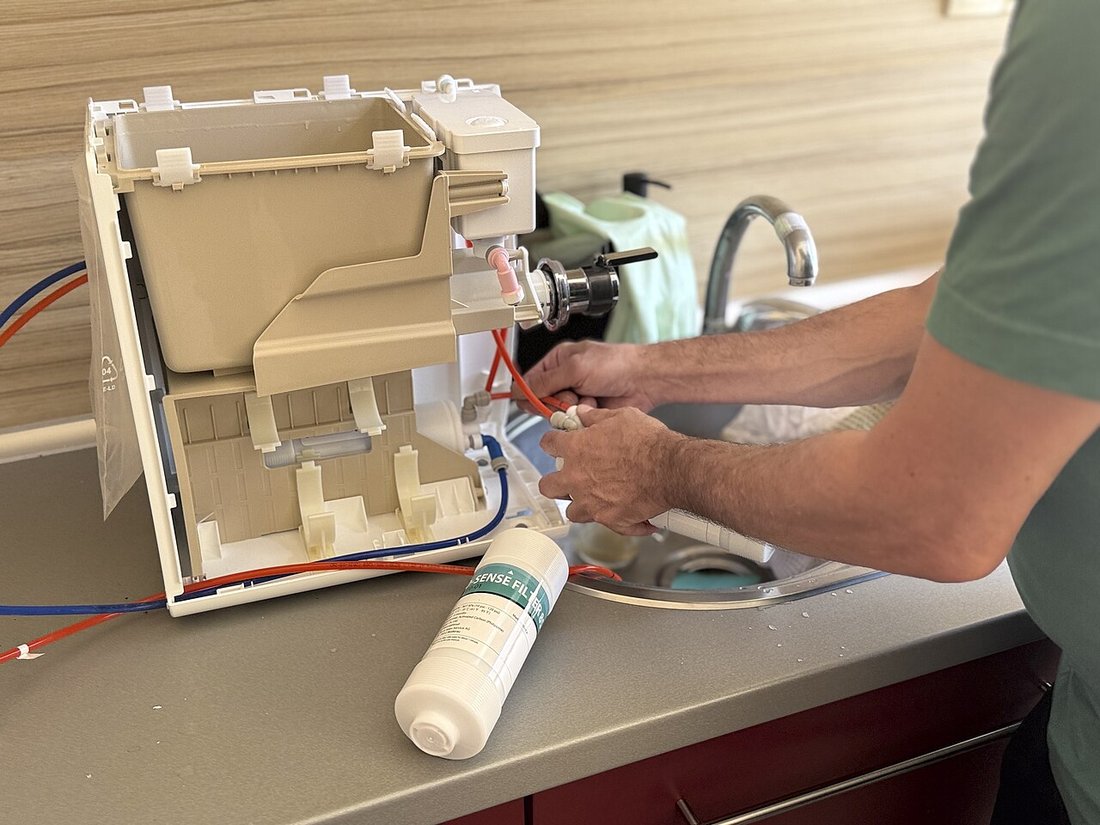
Cleaning is one of those jobs that never really ends, and for most households it takes more time than it should. Surveys consistently find that the average adult spends several hours a week cleaning, and much of that time is wasted on the wrong order, the wrong products or the wrong tools. The good news is that a few simple changes can cut the time dramatically: clean in the right order, let products do the work while you do something else, and keep the supplies you need within reach of where you use them.
These cleaning hacks for 2026 are practical, cheap and tested in real homes. They use ordinary supplies such as white vinegar, bicarbonate of soda, washing-up liquid and microfibre cloths, and they cover every room, from the oven to the shower screen. Good Housekeeping has tested cleaning methods for more than a century, and its guidance agrees with the core principle of this guide: work with the chemistry, not against it, by giving cleaners time to dissolve grease and limescale instead of scrubbing harder. Here are 25 hacks, grouped by room, plus a simple system for keeping the whole house clean in less time each week.
Kitchen Cleaning Hacks
1. Clean the Oven Without Harsh Chemicals
Mix bicarbonate of soda with a little water to form a paste, spread it over the inside of the oven, and leave it overnight. In the morning, spray it with white vinegar, let it fizz for 10 minutes, and wipe it away. The paste loosens burnt-on grease far better than scrubbing, and there are no harsh fumes. For oven racks, soak them in a bath with a dishwasher tablet and hot water for two hours, then rinse.
2. Degrease the Hob in Two Minutes
Sprinkle bicarbonate of soda over a greasy hob, spray it with white vinegar, and leave it for five minutes before wiping with a damp microfibre cloth. The fizzing reaction lifts grease without scratching, and the same trick works on the extractor hood filter, which can be soaked in hot water with a tablespoon of bicarbonate of soda for 15 minutes.
3. Freshen the Fridge With One Wipe
Take everything out once a month, wipe the shelves with warm water and a drop of washing-up liquid, and put an open box of bicarbonate of soda at the back to absorb smells. Wipe up spills the moment they happen, because a spill that dries becomes ten times harder to remove. A small tub of bicarbonate of soda costs less than a pound and lasts about a month.
4. Clean the Microwave With a Lemon
Put a sliced lemon in a bowl of water, microwave it on high for three minutes, and leave the door closed for five more. The steam loosens dried-on food and the lemon leaves a fresh smell. Wipe the inside with a cloth and the job is done, with no scrubbing and no chemical smell in your food.
5. Descale the Kettle With Vinegar
Fill the kettle with equal parts water and white vinegar, boil it, leave it for 20 minutes, and rinse it three times. Limescale dissolves completely, the kettle boils faster, and the same mixture works on taps and shower heads if you soak a cloth in it and wrap it around the fitting for an hour.
Bathroom Cleaning Hacks
6. Remove Limescale From the Shower Head
Fill a plastic bag with white vinegar, tie it around the shower head so the head is submerged, and leave it overnight. In the morning, remove the bag, run the shower for a minute, and the limescale will be gone. This restores water pressure as well as appearance, and it costs pennies compared with a new shower head.
7. Keep the Shower Screen Clear
Rub a used dryer sheet or a small amount of washing-up liquid over a glass shower screen, then rinse. The residue helps water run off instead of leaving spots. Better still, keep a squeegee in the shower and spend 20 seconds after each shower wiping the glass; it prevents the build-up that makes the monthly deep clean so unpleasant.
8. Clean Grout With a Paste
Make a paste of bicarbonate of soda and water, apply it to grout lines with an old toothbrush, spray with vinegar, leave for 10 minutes and scrub. The grout comes up noticeably lighter, and the toothbrush reaches the corners a sponge cannot. Seal the grout once a year to keep it cleaner for longer.
9. Unblock a Slow Drain Without Chemicals
Pour half a cup of bicarbonate of soda down the drain, followed by a cup of white vinegar. Cover the drain for 15 minutes, then flush with a kettle of boiling water. This clears most slow drains caused by soap and hair, and a drain cover that catches hair will stop the problem coming back.
Living Areas and General Hacks
10. Dust With a Damp Microfibre Cloth
Feather dusters move dust around; a slightly damp microfibre cloth traps it. Work from the top of the room downwards, so dust falls onto surfaces you have not cleaned yet, and dust before you vacuum, not after. Microfibre cloths can be washed and reused hundreds of times, which makes them cheaper than disposable dusters within a month.
11. Clean Blinds With Tongs
Wrap a damp microfibre cloth around each side of a pair of kitchen tongs and secure it with an elastic band. Run the tongs along each blind slat and you clean both sides at once, in a fraction of the time it takes to wipe each slat by hand.
12. Remove Pet Hair With a Rubber Glove
Put on a damp rubber glove and run your hand over sofas and cushions; pet hair clumps together and can be lifted off easily. A window squeegee works the same way on carpets and rugs. This is faster and cheaper than going through roll after roll of sticky lint rollers.
13. Freshen a Mattress in 15 Minutes
Sprinkle bicarbonate of soda generously over the mattress, leave it for an hour while you clean elsewhere, then vacuum it off. It absorbs moisture and odours, and doing this every three months keeps a mattress fresh for years. Wash pillows every three to six months on a gentle cycle.
14. Clean Light Switches and Door Handles
Light switches and door handles are the most touched surfaces in a house and the most rarely cleaned. Wipe them weekly with a cloth dampened with diluted disinfectant or soapy water. It takes two minutes, it removes the grime that builds up around switches, and it reduces the spread of germs around the home.
Laundry and Fabric Hacks
15. Remove Stains With Washing-Up Liquid
Rub a drop of washing-up liquid into a grease stain before washing, and it will usually come out in a normal cycle. For grass or mud stains, soak the item in cold water first; hot water sets protein-based stains such as blood and milk. Treat a stain as soon as you notice it, because a fresh stain is always easier to remove than a dried one.
16. Dry Clothes Faster
Put a dry towel in the tumble dryer with a load of wet clothes; the towel absorbs moisture and can cut drying time by 15 to 20 minutes. When drying indoors on a rack, leave a gap between items so air circulates, and turn items inside out so they dry faster and fade less.
17. Freshen Shoes and Trainers
Sprinkle bicarbonate of soda inside shoes and leave it overnight, then shake it out in the morning. For washable trainers, remove the laces and insoles, wash them on a gentle cycle inside a pillowcase, and dry them away from direct heat, which can warp the soles.
Windows, Glass and Floors
18. Streak-Free Windows With Vinegar
Mix one part white vinegar with ten parts water in a spray bottle, spray the glass, and wipe with a microfibre cloth or scrunched-up newspaper. Clean windows on a cloudy day, because the sun dries the solution too quickly and leaves streaks. The same mixture cleans mirrors and glass tables.
19. Clean Hard Floors Without Streaks
Use less cleaning product than you think: too much leaves a sticky residue that attracts dirt. Mop with hot water and a small amount of floor cleaner, wring the mop well, and work in sections so the floor dries quickly. For wood floors, use a barely damp mop, because standing water damages wood over time.
20. Lift Carpet Stains With Baking Soda
Blot a fresh spill, never rub it, then sprinkle bicarbonate of soda over the area, spray with a mixture of water and a drop of washing-up liquid, leave for 10 minutes and blot again. For dried stains, repeat the process twice. A carpet stain that is blotted quickly usually comes out completely.
21. Clean a Burnt Pan With a Dryer Sheet
Place a used dryer sheet in a burnt pan, fill it with hot water, and leave it overnight. The burnt food lifts off easily in the morning with a sponge. Alternatively, boil water with a tablespoon of bicarbonate of soda in the pan for 10 minutes and the burnt layer will loosen.
Smells, Air and the Whole-House System
22. Deodorise the Bin
Sprinkle bicarbonate of soda in the bottom of the bin and under the bin bag to absorb smells, and wash the bin itself with hot soapy water once a month. A few drops of essential oil on a cotton ball placed in the bottom of the bin keeps it smelling fresh between washes.
23. Freshen the Whole House in Five Minutes
Open two windows on opposite sides of the house for five minutes to create a cross-breeze, which changes the air faster than any spray. Simmer a pan of water with cinnamon sticks and orange peel for 15 minutes for a natural scent, and take the rubbish out before guests arrive, because the bin is the most common source of a bad smell.
24. The 15-Minute Evening Reset
Set a timer for 15 minutes each evening and tidy one room per person: clear surfaces, put things back where they belong, and take out the rubbish. A short daily reset prevents the weekend clean from becoming a three-hour job, and it means you wake up to a tidy house, which makes the morning easier.
25. Keep a Cleaning Caddy in Each Zone
Keep a small caddy with the supplies each room needs: a bathroom caddy with disinfectant, a glass cleaner and a cloth, and a kitchen caddy with a degreaser and a sponge. When the supplies are within reach, a two-minute clean actually happens; when they are in a cupboard downstairs, it does not. Refill the caddies once a month.
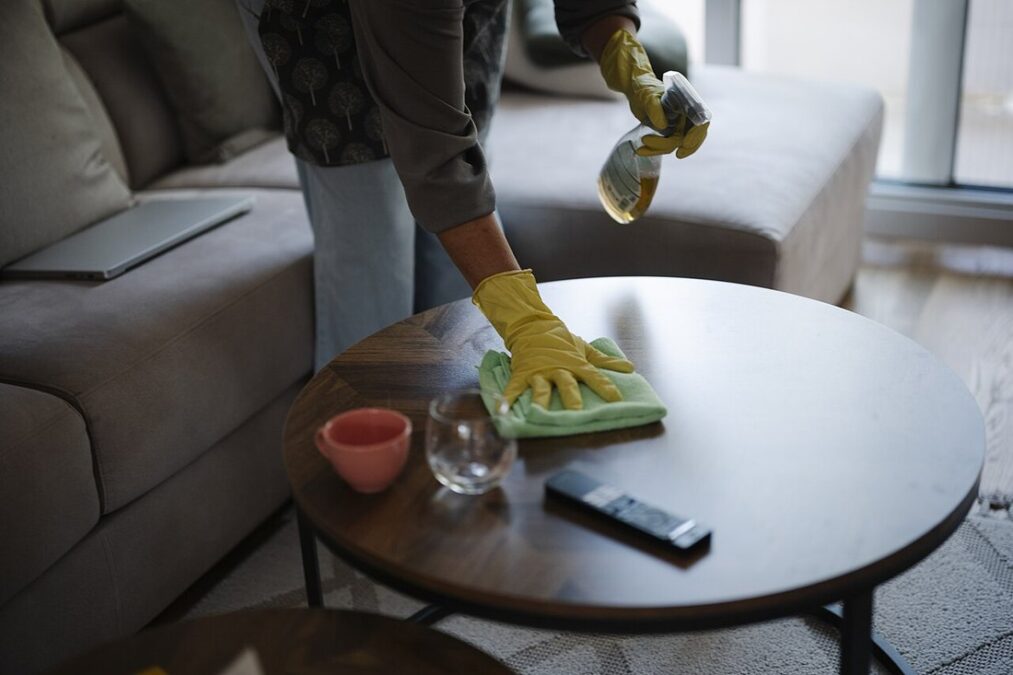
Put together, these 25 hacks cover the rooms and the routines that take up most of the cleaning time in a home. The pattern is the same in almost every case: let the product work for a few minutes instead of scrubbing, clean from top to bottom, and keep the right supplies close to where you use them. A house cleaned this way takes less time each week, and the results last longer, because the grime never gets a chance to build up.
Common Cleaning Mistakes to Avoid
The biggest mistake is cleaning in the wrong order: vacuuming before dusting means dust settles on a clean floor, and mopping before sweeping pushes dirt around. Always work top to bottom and dry to wet: dust first, then vacuum, then mop. The second mistake is using too much product, which leaves residue that attracts dirt and makes surfaces look dull. The third is mixing cleaning products, particularly bleach and vinegar or bleach and ammonia, which can create dangerous gases; never mix them. The fourth is using a dirty cloth or sponge, which spreads bacteria rather than removing it; replace sponges every two weeks and wash cloths after each use.
The fifth mistake is trying to clean the whole house in one exhausting session and then doing nothing for two weeks. A little often beats a lot occasionally, and a simple weekly routine, such as a 15-minute reset each evening and one deeper clean at the weekend, keeps a home consistently clean with far less effort. If staying motivated is the hard part, our guide to cleaning motivation hacks has practical ways to make cleaning feel easier and even enjoyable.
Frequently Asked Questions
What is the best all-purpose homemade cleaner?
A spray bottle of equal parts white vinegar and water with a few drops of washing-up liquid works for most surfaces, including worktops, sinks and bathroom tiles. Do not use vinegar on natural stone such as marble or granite, because the acid can damage it, and never mix vinegar with bleach.
How often should I clean my house?
High-touch surfaces such as door handles and light switches deserve a weekly wipe, kitchens and bathrooms need a clean at least once a week, and a full deep clean of the whole house is worth doing once a month. A 15-minute daily reset and a 30-minute weekly clean keeps most homes in good shape without a big weekend session.
Is white vinegar safe to use for cleaning?
White vinegar is safe for most hard surfaces, glass, taps and kettles, and it is effective against limescale and grease. Avoid it on natural stone, waxed wood and rubber seals, and do not mix it with bleach or hydrogen peroxide. For those surfaces, use a dedicated stone or wood cleaner instead.
How can I make cleaning faster?
Clean in the right order, from top to bottom and dry to wet, let products sit for a few minutes before you wipe, keep a caddy of supplies in each room, and set a timer. A timer creates focus: most people find they can clean a bathroom in 10 minutes and a kitchen in 15 when they work against the clock.
What cleaning products do I really need?
For most homes, five products are enough: white vinegar, bicarbonate of soda, washing-up liquid, a disinfectant, and a floor cleaner. Add microfibre cloths, a squeegee, a good sponge and a spray bottle, and you can clean almost every surface in the house without buying a cupboard full of specialist products.
Conclusion
Cleaning hacks 2026 are not about buying more products or working harder. They are about working in the right order, letting cheap household staples such as vinegar and bicarbonate of soda do the heavy lifting, and building small daily habits such as the 15-minute evening reset. Pick five hacks from this list, try them this week, and keep the ones that saved you the most time. A cleaner home, in less time, is a realistic goal, and it starts with the next 15 minutes.
