


Most homes do not become cluttered overnight. A jacket left on a chair, a drawer that slowly fills with cables, a kitchen counter that collects mail, school papers and spare keys: each item on its own seems harmless, but together they make a room harder to clean, harder to use and harder to relax in. This minimalist decluttering checklist gives you a practical way to reverse that process, one room at a time, without throwing away things you genuinely need or turning your home upside down for a whole weekend.
Minimalism, in this context, does not mean empty white rooms or owning only 100 things. It means keeping what you use, enjoy and have room for, and letting go of the rest. That distinction matters. A home that works well usually has clear surfaces, a place for everyday items, and a little breathing space between objects. When every shelf, drawer and cupboard is full, finding anything takes longer, cleaning takes longer, and buying duplicates becomes more likely because you cannot see what you already own.
Work through this guide in order, or jump straight to the room that bothers you most. Set a timer, keep a bin bag and a donation box nearby, and finish one small area before you start another. Small, finished areas build momentum far better than three half-empty rooms.
Before you start: set up for a quick win
Decluttering goes faster when you decide the rules before you open a drawer. Use four containers or bags: keep, donate or sell, recycle, and rubbish. A fifth box, labelled relocate, is useful for items that belong in another room. Do not create a vague maybe pile. If an item has not been used in 12 months, does not fit, is broken beyond reasonable repair, or duplicates something you already own, it is a strong candidate for leaving the house.
Gather the basics first: a rubbish bag, a recycling bag, a sturdy donation box, a damp cloth, a small box for batteries and old electronics, and labels or masking tape. Photograph anything you want to remember but do not need to keep, such as children’s artwork or old greetings cards, then recycle the originals if they are not truly precious. For extra room-by-room ideas, The Spruce offers a detailed decluttering guide that pairs well with the checklist below.
Be realistic about time. A single drawer takes about 15 minutes. A kitchen cupboard takes 30 to 45 minutes. A whole bedroom can take two to three hours if you include wardrobes and bedside tables. Plan sessions of 60 to 90 minutes, take a short break, and stop while you still have energy to put donation bags by the door. A finished kitchen drawer is a better result than an exhausted afternoon and bags left in the hallway for a week.
Room-by-room checklist
Kitchen
- Clear one counter at a time, then wipe it before putting anything back.
- Remove duplicate utensils, chipped mugs, warped plastic containers and lids with no matching base.
- Check use-by dates in the pantry and fridge, and throw away anything out of date or unlabelled and unidentifiable.
- Keep everyday cooking tools within arm’s reach of the cooker and move rarely used gadgets to a higher shelf or out of the kitchen.
- Limit the junk drawer to about 10 useful items, such as scissors, tape, batteries and a torch, and give everything else a proper home.
- Keep only as many tea towels, shopping bags and reusable bottles as your household uses in a normal week.
A useful kitchen test is the cooking test. If you have not used a gadget in the past year, and you can cook your normal meals without it, you probably do not need to store it in prime kitchen space. Bread makers, spiralizers and novelty mugs are common examples. Keep the tools that save you time every week, not the ones you bought for a single recipe.
Living room
- Remove everything from coffee tables, side tables and the top of bookshelves, then return only items you use or genuinely like looking at.
- Sort magazines, catalogues and old newspapers, and recycle anything older than a month unless it contains a specific article you plan to use.
- Check remote controls, chargers and cables, and remove those that belong to devices you no longer own.
- Go through DVDs, games and books, and keep the titles you will watch, play or reread; donate the rest.
- Choose one place for keys, wallets and sunglasses near the door, and return them there every evening.
- Fold or store throws and cushions so seating is comfortable, not crowded.
Living rooms often collect items from every other room because they are the place where families land at the end of the day. A basket by the sofa can help, but only if it is emptied each night. Otherwise it simply becomes another storage spot. Aim for surfaces you can dust in a few minutes, rather than moving 20 ornaments to clean underneath them.
Bedroom and wardrobe
- Take everything off the bed, bedside tables and the top of the wardrobe before you sort anything else.
- Try on clothes you are unsure about, and remove anything that no longer fits, is damaged, or has not been worn in the past year.
- Keep a small number of everyday outfits easy to reach, and store out-of-season clothes in labelled boxes.
- Limit bedside tables to a lamp, a book, water and a charger, and move the rest to a proper drawer.
- Sort under-bed storage, and remove old bags, broken suitcases and items kept just in case.
- Keep one laundry basket for dirty clothes and one bag for items ready to donate, so clean and outgoing laundry never mix.
Wardrobes work best when you can see what you own. Hanging similar items together, turning hangers the same way, and leaving a little space between garments makes it obvious when something is missing, duplicated or never worn. If you buy something new, consider removing something old at the same time. That one-in, one-out rule is simple, but it prevents a wardrobe from quietly filling again.
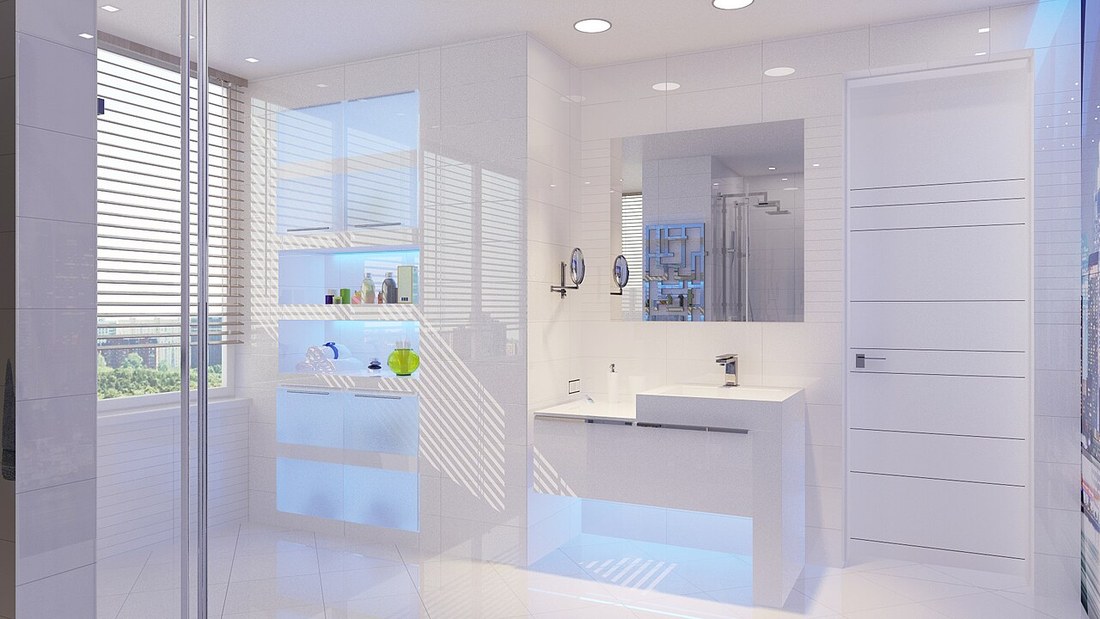
Bathroom
- Empty the medicine cabinet and bathroom cabinet completely, check expiry dates, and dispose of old medicines through a pharmacy take-back service rather than household rubbish where one is available.
- Remove half-empty bottles, dried-up products and samples you will never use.
- Keep only the toiletries you use daily on the counter, and store the rest in a labelled basket or drawer.
- Limit towels to two per person, plus a small number of guest towels, and recycle worn towels as cleaning cloths.
- Check cleaning products, and keep only those you use regularly and safely, stored away from children and pets.
Home office, hallway and storage areas
- Shred or recycle old bills, bank statements and paperwork you no longer need to keep, after checking how long tax and legal documents should be retained.
- Digitise important papers and photographs where possible, and store backups in a separate place.
- Sort the hallway cupboard so coats, shoes and bags for the current season are at the front.
- In the garage or loft, label every box with its contents and the date, and set a reminder to review boxes you have not opened in two years.
- Remove broken tools, dried paint, old electronics and items kept for a project that has not started in three years.
- Keep a clear path through storage areas so you can reach what you need without moving five boxes first.
Storage areas are where decluttering often fails, because it is easy to move a problem out of sight rather than solve it. A labelled box is helpful, but a box that has not been opened in two years is a clue, not a
storage solution. If you cannot remember what is inside, open it, decide, and act. Keeping a neat garage or loft is less about buying more containers and more about owning fewer things that need containers.
What to keep, toss, donate or relocate
Most decisions become easier with four questions. Do I use it regularly? Does it work properly? Do I have somewhere sensible to store it? Would I buy it again today? If the answer to three or more is no, the item is ready to go. Sentimental items deserve a slower decision, but they also deserve a limit. Choose a single memory box for keepsakes, and keep only the items that truly tell a story, rather than every card, ticket and school project.
- Keep: items used at least once a month, items that make daily life easier, and a small number of genuinely meaningful keepsakes.
- Toss or recycle: broken items, stained or worn-out clothing, expired products, and anything that cannot be repaired safely or affordably.
- Donate or sell: clean, working clothes, books, toys, kitchenware and furniture that someone else can use straight away.
- Relocate: items that belong in another room, seasonal items that should be stored elsewhere, and paperwork that belongs in a filing system.
Prepare donations properly. Wash clothes, wipe down kitchenware, include all parts and chargers, and bag items so charity shops can sort them quickly. Drop donations off within 48 hours if possible. Bags left by the door tend to be opened again, and items quietly return to cupboards. For hazardous items such as old paint, solvents, batteries and large electronics, check your local council or retailer take-back options instead of putting them in general waste.
Daily habits that keep a home clutter-free
Decluttering once is not enough if new items arrive faster than old ones leave. A few short habits protect the work you have done. Spend 10 minutes each evening returning items to their homes, clearing kitchen counters, and putting laundry away. Deal with post as soon as it arrives: recycle junk mail, file important letters, and act on anything that needs a reply. Put shopping away the same day, and remove packaging immediately rather than leaving it on a counter.
- One-in, one-out: when something new arrives, choose something old to donate or recycle.
- Five-minute reset: set a timer and tidy one visible area before bed.
- Weekly fridge check: remove out-of-date food every Sunday, or on shopping day.
- Monthly drawer check: choose one drawer or shelf each month and remove anything that has crept back in.
- Seasonal review: at the start of each season, review coats, shoes, bedding and outdoor items.
It also helps to be deliberate about what enters your home. Before buying a new kitchen gadget, storage box or decorative item, ask where it will live and what it replaces. If there is no clear answer, wait 48 hours. Many purchases look less essential after two days, and that pause alone can prevent a surprising amount of future clutter. The same approach works for free items, samples and gifts: accept what you will use, and pass on the rest promptly.
Frequently asked questions
Where should I start decluttering first?
Start with the area that causes the most daily friction, usually the kitchen counter, the hallway, or a single drawer. A visible win in the first 30 minutes makes it easier to continue. Avoid starting with sentimental items, photographs or a whole loft, because those decisions take longer and can stall the whole project before it begins.
How long does a minimalist declutter take?
It depends on the size of the home and how much has accumulated. A small flat can often be worked through in a focused weekend, with sessions of two to three hours. A larger family home usually takes two to four weekends if you work room by room. The goal is steady progress, not speed. Rushing leads to bags of useful items being thrown away and decisions you later regret.
What is the 12-month rule?
The 12-month rule is a simple test: if you have not used an item in the past year, and it is not seasonal, sentimental in a meaningful way, or needed for safety, consider letting it go. Seasonal items such as winter coats, camping gear and holiday decorations are exceptions, because a full year may include only one relevant season. Use the rule as a prompt, not as an absolute law.
How do I deal with sentimental clutter?
Set a clear limit first, such as one memory box per person. Photograph larger items you want to remember, keep the best examples rather than every duplicate, and store keepsakes together so you can actually enjoy them. If an item makes you feel guilty rather than happy, that is useful information. Keeping something out of guilt rarely honours the person or memory attached to it.
How do I stop clutter coming back?
Use the one-in, one-out rule, do a five-minute evening reset, and review one drawer or shelf each month. Also check what is entering your home. Subscriptions, free samples, children’s school papers and online impulse buys are common sources of new clutter. A regular, short routine is far more effective than another large clear-out once a year.
A calmer home, one drawer at a time
You do not need to finish every room this weekend to feel the difference. Clear one counter, empty one drawer, or donate one bag, and notice how much easier that space is to use. Then repeat the process, room by room, until the whole home feels lighter. Keep the checklist handy, work in short sessions, and give every remaining item a home it can return to.
If you want a broader plan to follow after this room-by-room guide, take a look at our decluttering checklist for more ideas on sorting, donating and keeping each space organised. Start today, start small, and let the calm build from there.
