

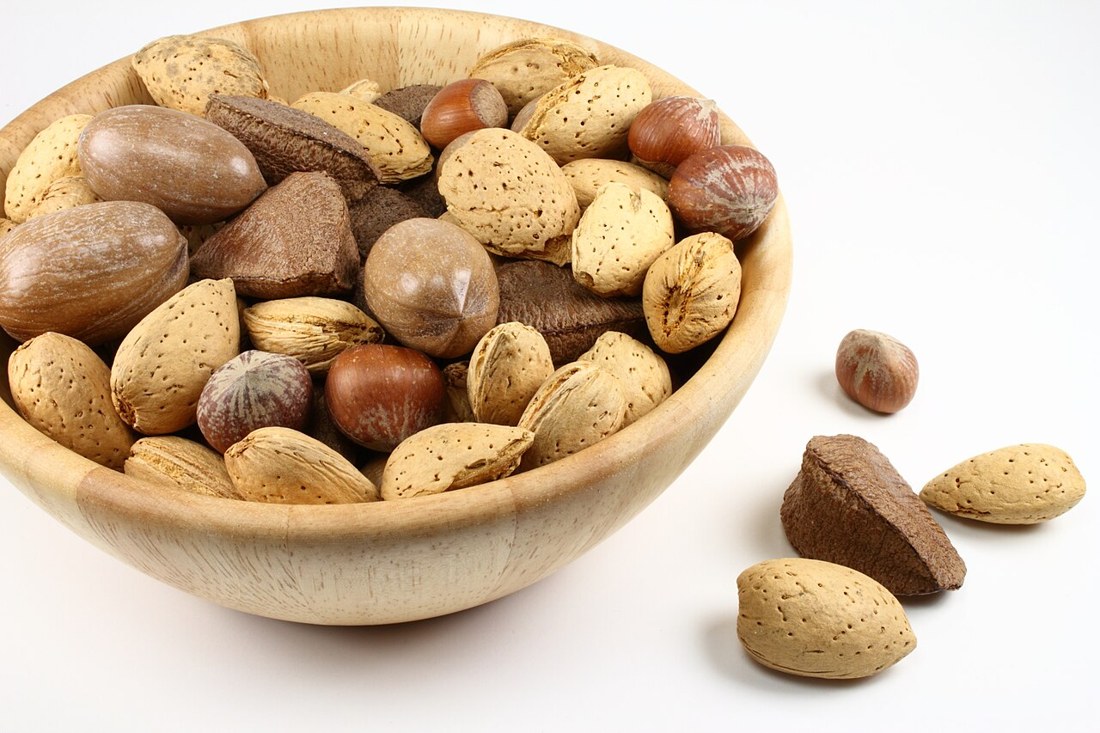
The best snacks with protein do more than fill a gap between meals. They help you stay full, steady your energy, and make it easier to avoid the vending machine at 4 p.m. A snack built around protein, rather than refined flour and sugar alone, tends to satisfy you for longer because protein digests more slowly and works alongside fibre and healthy fats to slow hunger.
That does not mean every snack needs to be a protein bar or a shake. Some of the most practical options are ordinary foods: Greek yogurt, eggs, cottage cheese, nuts, seeds, beans, and lean meats. The trick is choosing a portion that fits your day, pairing protein with something you enjoy, and checking the label when a product claims to be healthy. For a useful overview of protein-rich food groups, see USDA’s MyPlate protein guidance.
This guide explains how much protein is enough for a snack, which sweet and savoury options work well, when store-bought choices are worth it, and how to avoid common traps around sugar and portion size. It also includes quick ideas you can prepare in five minutes or less, so a better snack is the easy choice, not another chore.
Why Protein Matters for Snacks
Protein matters because snacks are often where eating goes off track. A plain biscuit or a handful of crisps can be enjoyable, but on its own it rarely keeps hunger away for long. You may feel satisfied for twenty minutes, then hungry again, and then reach for something else. Adding protein changes that pattern. It gives the snack more staying power and makes it more likely to carry you comfortably to your next meal.
Protein also helps balance a snack. Pairing it with fibre from fruit, vegetables, or whole grains, and with a little healthy fat from nuts or seeds, usually feels more complete than protein alone. A small apple with peanut butter, for example, combines sweetness, crunch, fibre, and protein. Cottage cheese with berries offers a similar balance in a lighter, cooler form. The goal is not perfection. It is a snack that tastes good, feels satisfying, and does not leave you craving sugar an hour later.
For people who exercise, protein-rich snacks can also help with recovery and muscle maintenance, especially when spread through the day rather than eaten only at dinner. For people who work long hours, travel, or care for others, a dependable snack can prevent skipped meals and rushed choices. The best snack is one you will actually eat, keep on hand, and enjoy without feeling deprived.
How Much Protein Should a Snack Have?
There is no single number that works for everyone, because needs depend on body size, activity, age, and the rest of your diet. As a practical starting point, many people find that 8 to 20 grams of protein makes a snack feel substantial. A lighter snack, such as a small yogurt or a handful of nuts, may sit at the lower end. A more filling option, such as eggs with toast or a cottage cheese bowl, may sit at the higher end.
These approximate amounts can help you compare options without weighing every bite. Values vary by brand and preparation, so use them as a guide, not a strict rule.
- Greek yogurt, plain, 170 grams: about 15 to 17 grams
- Two large eggs: about 12 grams
- Cottage cheese, 100 grams: about 11 grams
- Peanut butter, two tablespoons: about 7 to 8 grams
- Almonds, 30 grams: about 6 grams
- Roasted chickpeas, 50 grams: about 7 to 9 grams
- Edamame, one cup shelled: about 17 grams
- Tinned tuna, small tin: about 20 grams or more
- Milk, 250 millilitres: about 8 grams
- Tofu, 100 grams: about 8 to 10 grams
If your snack has less than 5 grams of protein, it can still be enjoyable, but it may work better as part of a meal or paired with another protein source. If it has more than 25 grams, it may be closer to a small meal, which is fine after a workout or when lunch will be late, but unnecessary for a mid-afternoon bite. Pay attention to how you feel two hours later. That feedback is more useful than any single number.
Sweet Snacks with Protein
Sweet snacks do not have to mean a sugar crash. The key is to keep the sweet element in proportion and let protein do the heavy lifting. Greek yogurt with berries and a spoonful of chopped nuts is a classic for a reason: it is creamy, fresh, and filling, and you can adjust the sweetness with the fruit you choose. Add cinnamon or vanilla for flavour without extra sugar.
Another reliable choice is a smoothie made with milk or yogurt, fruit, and a spoonful of nut butter or seeds. Keep the fruit to one portion, add a handful of spinach if you like, and avoid loading it with juice, honey, and sweetened yogurt at the same time. A smoothie should taste like food, not dessert, if you want it to keep you full.
For something you can make ahead, try overnight oats with milk, yogurt, chia seeds, and grated apple. Chia seeds add texture and a little protein, while the oats and yogurt provide the bulk of the staying power. Small homemade energy bites made from oats, nut butter, and dates can also work, but keep them small. They are energy-dense, so one or two bites are usually enough.
A Note on Dried Fruit and Nut Snacks
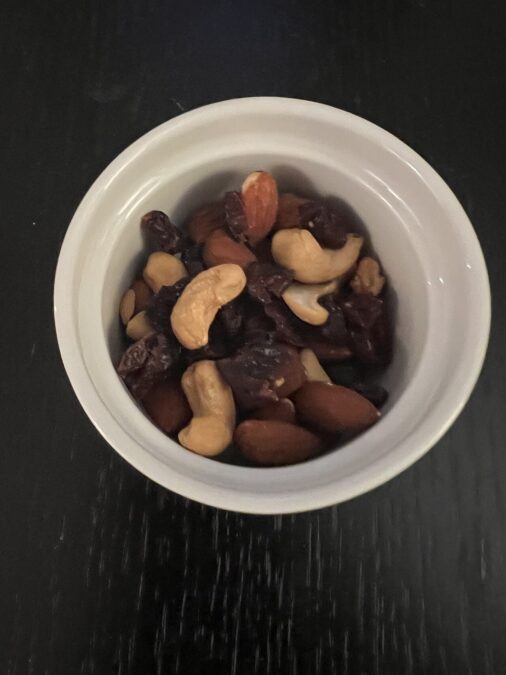
Dried fruit and nut mixes, including traditional treats such as dry fruit laddu, can be a useful protein snack when the portion is modest and the recipe is not overloaded with added sugar or syrup. Nuts and seeds provide protein and healthy fats, while dried fruit adds sweetness and fibre. The challenge is portion control, because these snacks are compact and easy to eat quickly. A small handful, eaten slowly and preferably with a glass of water or a cup of tea, is often more satisfying than a large bowl eaten at your desk.
Savoury Snacks with Protein
Savoury snacks are often easier to keep balanced, because they are less likely to hide large amounts of added sugar. Hard-boiled eggs are one of the simplest options: portable, inexpensive, and easy to prepare in a batch for the week. Sprinkle them with salt, pepper, or smoked paprika, or slice them onto wholegrain crackers for a more complete snack.
Hummus with vegetable sticks or wholegrain crackers is another dependable choice. Chickpeas provide protein and fibre, while the vegetables add crunch and volume without many calories. If you want more protein, add a small portion of cheese, a few slices of lean ham or turkey, or a spoonful of cottage cheese on the side. Roasted chickpeas, seasoned with cumin, garlic, or chilli, offer a crunchy alternative to crisps and travel well in a small container.
Edamame, miso soup with tofu, and small portions of leftover chicken or fish can also work as savoury snacks, especially at home. They feel more like real food than a packaged bar, and they are easier to season to your taste. If you are buying ready-made savoury snacks, look for short ingredient lists and a protein amount that justifies the calories and salt.
Store-Bought vs Homemade: Which Is Better?
Neither option is automatically better. Store-bought snacks win on convenience, which matters on busy days, while homemade snacks win on control. When you make a snack yourself, you choose the amount of sugar, salt, and fat, and you can adjust the flavour and texture. When you buy one, you trade some control for speed, and that trade is often worthwhile if you read the label.
A good store-bought protein snack usually has at least 8 grams of protein, a recognisable ingredient list, and less sugar than protein, or at least not much more. Be cautious with bars that list sugar, glucose syrup, or honey among the first ingredients, even if the packaging highlights protein in large letters. Some bars are closer to chocolate bars with added protein powder than to a balanced snack.
Homemade snacks do not need to be elaborate. A pot of yogurt, a boiled egg, a small cheese portion, or a handful of nuts counts as homemade in the sense that matters: you chose the food, not a marketing claim. Batch preparation helps. Boil several eggs on Sunday, portion nuts into small bags, wash and cut vegetables ahead of time, and keep a few reliable options visible in the fridge. When the easy option is also the better option, you will choose it more often.
Portion and Sugar Traps to Watch
Protein snacks can still be high in calories, especially nuts, cheese, nut butter, and dried fruit. That is not a reason to avoid them, but it is a reason to measure them at first. Two tablespoons of peanut butter is a sensible portion; eating straight from the jar rarely is. A small bowl of nuts is satisfying; a large bag eaten while watching television can quietly add several hundred calories.
Sugar is the other common trap. Flavoured yogurts, sweetened nut milks, granola, and many protein bars can contain more sugar than a dessert. Compare labels and choose plain versions when you can, then add your own fruit for sweetness. Also watch for health claims that distract from the basics: high protein, low sugar, organic, and natural can all appear on products that are still highly processed or very salty.
Finally, consider timing. A snack eaten because you are genuinely hungry is different from one eaten out of boredom, stress, or habit. If you are not hungry, a drink of water, a short walk, or a break from your screen may be enough. If you are hungry, choose a protein snack, eat it mindfully, and notice when you feel satisfied. That awareness is more helpful than strict rules.
Quick Prep Ideas You Can Use This Week
Start with five-minute ideas that require no cooking. Greek yogurt with berries and seeds, cottage cheese on rice cakes with sliced tomato, apple slices with peanut butter, and cheese with wholegrain crackers all take less time than making tea. Keep the ingredients in one part of the fridge or cupboard so you do not have to search for them.
For slightly more preparation, try egg muffins made with eggs, spinach, and cheese, baked in a muffin tin and kept in the fridge for a few days. Roasted chickpeas, seasoned and baked until crisp, make a crunchy snack for work or travel. A simple tofu and vegetable stir-fry, eaten cold or reheated, can also serve as a satisfying savoury snack. For softer, easy-to-chew ideas that suit older relatives as well, see Healthy Snacks for Seniors: 15 Easy, Soft and Nutritious Ideas.
If you like planning ahead, prepare two or three snacks for the week and rotate them so you do not get bored. Variety helps, but too many choices can make shopping complicated. A short, repeatable list is often the most sustainable approach. Change one item each week if you want something new, rather than overhauling everything at once.
Frequently Asked Questions
What are the healthiest snacks with protein?
The healthiest options tend to be minimally processed and balanced: Greek yogurt, eggs, cottage cheese, nuts, seeds, beans, lentils, tofu, and lean meat or fish. Pairing them with fruit, vegetables, or whole grains adds fibre and nutrients without relying on added sugar.
How much protein do I need in a snack?
For most people, 8 to 20 grams is a useful range. A lighter snack may have less, while a post-workout snack or a late lunch replacement may have more. Focus on the overall pattern of your day, rather than hitting an exact number at every snack.
Are protein bars a good snack?
Some are, but many are high in sugar and highly processed. A better bar usually has a short ingredient list, at least 8 grams of protein, and less sugar than protein. Whole foods such as yogurt, eggs, or nuts are usually a simpler and more satisfying choice when you have time.
What are good high-protein snacks for vegetarians?
Greek yogurt, cottage cheese, eggs, milk, tofu, tempeh, edamame, chickpeas, lentils, nuts, and seeds all work well. Combining different plant proteins across the day, rather than worrying about every single snack, is a practical way to meet your needs.
Can protein snacks help with weight management?
They can help because protein tends to keep you full for longer, which may reduce the urge to snack repeatedly. Portion size still matters, especially with nuts, cheese, and dried fruit. A protein snack works best as part of an overall balanced diet and an active lifestyle, not as a quick fix on its own.
Conclusion
The simplest way to improve your snacks is to start with protein and build around it. Choose foods you enjoy, keep portions sensible, check labels on packaged options, and prepare a few reliable choices in advance. You do not need expensive powders or complicated recipes to eat well between meals. A boiled egg, a pot of yogurt, a handful of nuts, or a bowl of hummus can be enough.
Try one idea from this guide this week, notice how long it keeps you full, and adjust from there. Small, repeatable changes tend to last longer than dramatic overhauls. If you find a combination you love, keep it on your regular list and rotate in a new option when you feel ready for variety.
This article is for general wellness information only and is not a substitute for professional medical or dietary advice; speak to a qualified professional if you have specific health concerns or dietary needs.
