

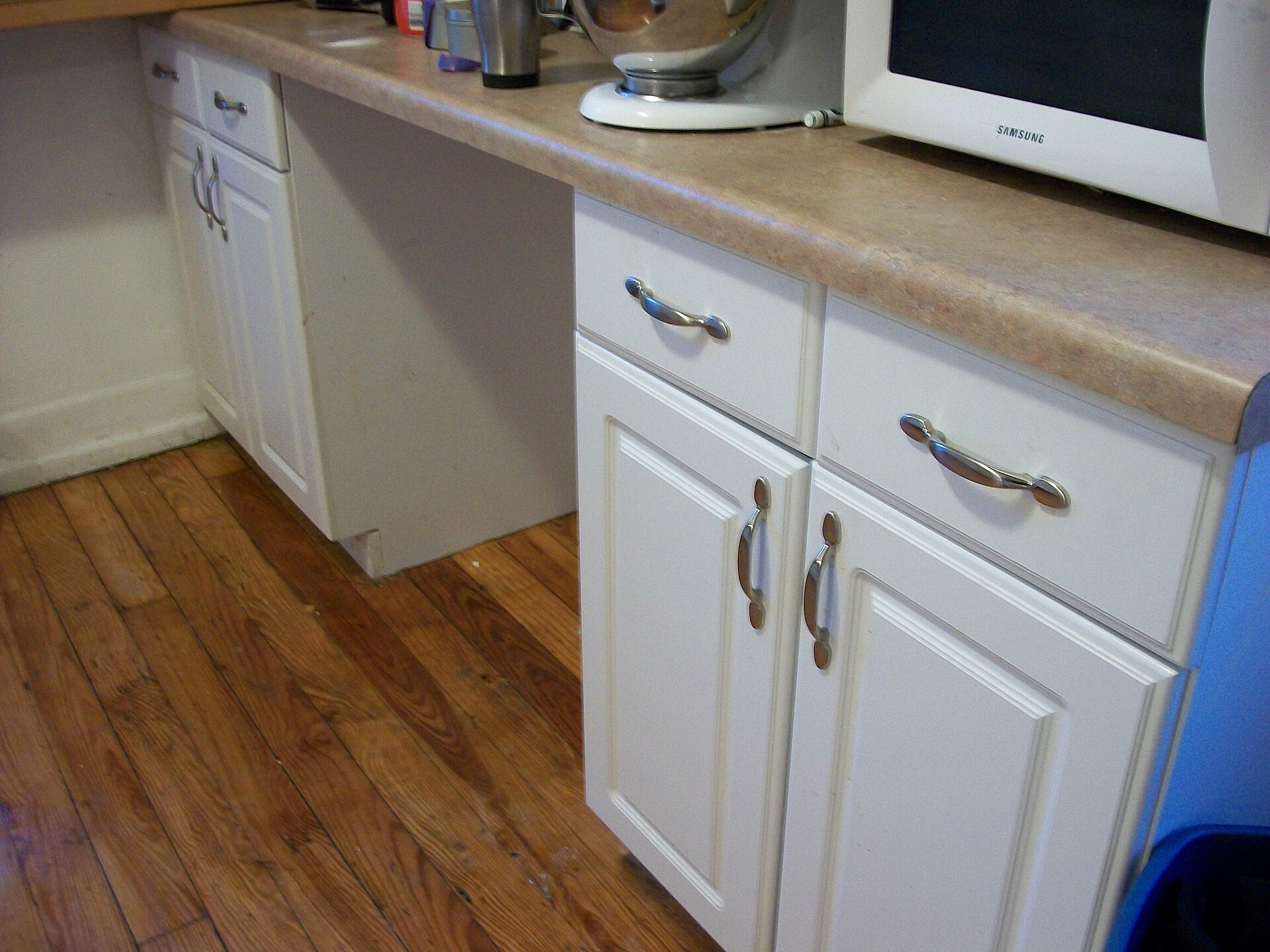
A kitchen cabinet baseboard is the recessed trim board that runs along the bottom of your kitchen base cabinets, just above the floor. Better known as a toe kick, this simple strip of material sits a few inches behind the cabinet doors and creates a small notch at floor level. Although it rarely gets noticed, a kitchen cabinet baseboard serves several practical purposes: it gives your toes room when you stand at the counter, hides the legs and shims beneath the cabinets, and shields the bottom of the cabinetry from kicks, scuffs, and moisture.
In this guide, you will learn exactly what a kitchen cabinet baseboard is, why it matters, which materials work best, the standard dimensions to follow, and how to install, replace, paint, and maintain one like a professional.

What Is a Kitchen Cabinet Baseboard?
A kitchen cabinet baseboard — almost always called a toe kick by installers and cabinet makers — is the recessed panel that runs along the bottom front of your base cabinets. Set back a few inches from the cabinet doors, it creates a shallow notch at floor level so your toes can slide underneath when you stand at the counter. In most kitchens the baseboard is painted or stained to match the cabinetry, although a contrasting finish can look sharp in a modern design. The hollow space behind the board can even be put to work: some homeowners convert it into hidden storage, and this Family Handyman guide to under-cabinet drawers shows clever ways to use the cavity behind a toe kick.
Despite the different names, “baseboard,” “toe kick,” and “kick plate” all describe the same component. Confusion usually comes from the word “baseboard,” which in most rooms means the trim where the wall meets the floor. In kitchen cabinetry, the kitchen cabinet baseboard is specifically the recessed strip attached to the cabinet boxes themselves — not to the wall.
Why Every Kitchen Needs a Toe Kick
A toe kick is far more than decoration. It serves several practical purposes that make daily kitchen work safer and more comfortable:
- Comfort: the recess lets you stand closer to the counter without banging your toes, reducing back and leg strain during long cooking sessions.
- Concealment: it hides the cabinet legs, shims, and leveling feet that keep base cabinets level on uneven floors.
- Protection: it shields the bottom edge of the cabinet boxes from shoe scuffs, vacuum bumps, and mop water.
- Ventilation: some ranges and dishwashers vent through the toe-kick space, so the recess keeps airflow unobstructed.
- Finished look: a neatly fitted baseboard gives the cabinetry a clean, built-in appearance instead of showing a dark gap under the boxes.
Kitchen Cabinet Baseboard Materials
Toe kicks are available in several materials, each with different strengths. The right choice depends on your budget, your kitchen’s moisture level, and whether you plan to paint or stain the finish.
Solid Wood
Solid hardwood — usually poplar, maple, or oak — is the premium option. It takes stain beautifully, holds nails and screws firmly, and can be sanded and refinished if it gets scuffed. The downside is cost, and wood can swell if it sits in standing water, so it needs a good coat of paint or polyurethane on all sides, including the bottom edge.
MDF
Medium-density fiberboard is the most common toe-kick material in stock and semi-custom cabinets. It is inexpensive, perfectly smooth, and takes paint exceptionally well. However, standard MDF swells and crumbles when it absorbs water, so it must be sealed completely — moisture-resistant (green-core) MDF is a better choice near sinks and dishwashers.
PVC and Plastic
Cellular PVC boards and prefinished plastic toe kicks are waterproof, so they are ideal for kitchens prone to spills or in homes on concrete slabs. They cost more than MDF but never rot, swell, or need repainting for protection. The trade-off is that PVC can be harder to color-match exactly to stained wood cabinets.
Metal
Stainless steel and aluminum toe kicks appear in commercial kitchens and some contemporary homes. They are extremely durable, easy to wipe clean, and naturally water-resistant. Metal baseboards usually come in fixed sizes, though, and they can dent if struck hard.
Standard Toe Kick Dimensions
Most kitchen cabinet baseboards follow industry-standard dimensions:
- Height: 3.5 to 4 inches (about 9 to 10 cm) — the most common measurement.
- Recess depth: 3 inches (about 7.5 cm) back from the face of the cabinet doors.
- Thickness: 1/2 to 3/4 inch, matching the cabinet box material.
These measurements are not arbitrary. A four-inch height clears most dishwasher and range ventilation grilles, while the three-inch recess is deep enough for toes but shallow enough to keep the cabinets stable. If you are building custom cabinetry, confirm the height against your appliances before cutting, since some European-style appliances expect an exact clearance.
How to Install a Kitchen Cabinet Baseboard
Installing a toe kick is a straightforward weekend project. You will need a tape measure, a miter saw or circular saw, a brad nailer or finish nails, wood glue, caulk, and paint or stain to match your cabinets. If you are still planning your kitchen layout, our guide to kitchen base cabinets with drawers explains how drawer placement affects the toe-kick run.
- Measure the run. Measure the total length of each cabinet section that needs a baseboard, and note the position of any corners or appliance openings.
- Cut the boards. Cut your material to length, mitering inside and outside corners at 45 degrees for a clean joint.
- Dry-fit the pieces. Hold each board in place to check the fit, the recess depth, and the corner joints before fastening anything.
- Attach the baseboard. Apply a bead of wood glue to the back of the board, press it against the cabinet base, and secure it with brad nails every 12 inches. For freestanding sections, screws driven from inside the cabinet are stronger.
- Fill and caulk. Fill nail holes with wood filler, then run a thin bead of paintable caulk along the top edge where the board meets the cabinet and along the floor line.
- Finish. Prime and paint (or stain) the baseboard to match the cabinets, sealing the bottom edge to block moisture.
How to Replace a Damaged Toe Kick
Replacing a water-damaged or scuffed baseboard is even easier than installing one from scratch, because the measurements are already established:
- Remove the old board. Score the caulk lines with a utility knife, then gently pry the board away with a flat pry bar, working from one end.
- Clean the area. Vacuum out dust and debris, and check the cabinet bottoms for water damage that should be repaired first.
- Cut the replacement. Use the old board as a template for length and corner angles.
- Install and finish. Attach, fill, caulk, and paint the new board following the same steps as a fresh installation.
Painting and Finishing Tips
A good finish is what makes a kitchen cabinet baseboard look like part of the cabinetry rather than an afterthought:
- Sand the board to 120-grit and wipe away dust before priming.
- Use a stain-blocking primer on MDF and a wood primer on bare lumber.
- Choose a semi-gloss or satin enamel — it resists scuffs and wipes clean far better than flat paint.
- Paint the back and bottom edges too; moisture attacks unfinished surfaces first.
- Apply two thin coats rather than one thick coat to avoid drips along the recess.
Common Kitchen Cabinet Baseboard Problems (and How to Fix Them)
Water damage and swelling. The most frequent problem, especially near sinks and dishwashers. Small swollen spots can be sanded flat and resealed, but badly crumbled MDF should be replaced with moisture-resistant board or PVC.
Gaps at the corners. Seasonal wood movement can open miter joints. Fill small gaps with paintable caulk; for larger separations, recut the joint.
Scuffs and chips. Shoe marks are inevitable. Keep a small jar of matching touch-up paint under the sink for quick repairs.
Warped boards. Thin boards nailed only at the ends can bow outward. Add fasteners every 12 inches and make sure the back of the board is supported.
Pest entry. A loose toe kick can admit insects or mice into the cabinet cavity. Seal gaps with caulk and make sure boards sit tight to the floor.
Toe Kick Maintenance Tips
- Wipe the baseboard with a damp cloth during regular kitchen cleaning — dust and grease collect in the recess.
- Re-caulk the top and floor joints whenever the sealant cracks or pulls away.
- Fix plumbing leaks promptly; standing water is the number one enemy of a toe kick.
- Inspect the boards once a year for swelling, chips, or loose nails, and touch up paint as needed.
Frequently Asked Questions
What is another name for a kitchen cabinet baseboard?
It is most commonly called a toe kick, and sometimes a kick plate. Cabinet makers and installers use these terms interchangeably.
How tall should a toe kick be?
The standard height is 3.5 to 4 inches, recessed about 3 inches behind the cabinet doors. This fits the vast majority of kitchens and appliances.
Should the toe kick match the cabinets?
Usually, yes — matching paint or stain gives a seamless, built-in look. A darker or contrasting toe kick can work in modern kitchens, but it draws the eye downward.
Can I install a toe kick myself?
Absolutely. With basic tools — a saw, a nailer, glue, and caulk — most homeowners can measure, cut, and install a baseboard in a few hours.
What should I do if my toe kick gets wet?
Dry it immediately and check for swelling. If MDF has crumbled or wood has warped badly, replace the damaged section with moisture-resistant material and seal every edge.
Conclusion
The kitchen cabinet baseboard may be the smallest visible part of your cabinetry, but it does real work: protecting the cabinets, hiding the hardware underneath, and making long hours at the counter more comfortable. Choosing a moisture-resistant material, cutting to standard dimensions, and finishing every edge will give you a toe kick that looks great and lasts for years.
Ready to keep improving your kitchen? Explore more of our kitchen cabinet guides for storage ideas, installation walkthroughs, and maintenance tips — and if this guide helped you, share it or leave a comment below.
