

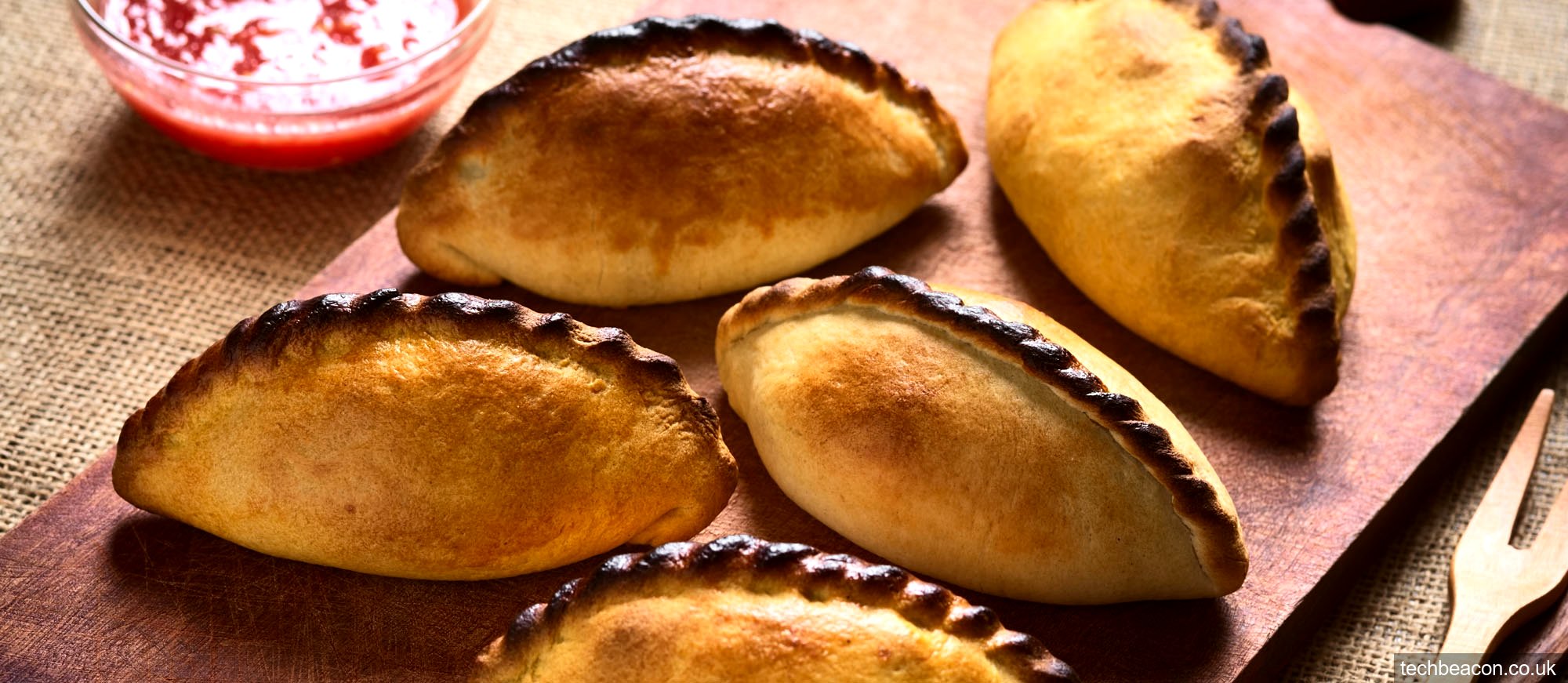
The Allure of the Bolivian Salteña: A Savory Culinary Masterpiece
When food enthusiasts and curious diners start hunting for the best saltena boliviana near me, they are embarking on a journey into one of Latin America’s most unique culinary treasures. Unlike standard baked turnovers or deep-fried empanadas found across South America, the traditional Bolivian salteña stands in a league of its own due to its distinctive combination of savory, sweet, and spicy notes wrapped in a perfectly baked shell. Originating in Bolivia but tracing historical influences back to Argentina, this iconic pastry features a rich stew filling known as jigote. What separates a true salteña from ordinary street food is the inclusion of gelatin in the savory stew, which melts into a rich, piping-hot broth during the high-heat baking process. Eating one is an art form itself, requiring careful technique to capture every drop of broth without making a mess.
The golden-brown exterior of a salteña is unmistakable, characterized by its sweet, slightly orange-tinted crust achieved through the addition of achiote or paprika and a touch of sugar. This slightly sweet outer shell provides an extraordinary contrast to the complex filling inside, which usually consists of tender beef, chicken, or pork simmered with onions, sweet peas, potatoes, raisins, sliced hard-boiled egg, and black olives. The interplay between the sweet raisins, salty olives, spicy ají peppers, and savory meat creates a flavor profile that is deeply satisfying and instantly addictive. When searching locally for authentic Latin bakeries, discovering a spot that bakes these delicacies fresh every morning is like stumbling upon pure culinary gold for any passionate foodie.
Across the globe, from bustling markets in La Paz to vibrant Latin American neighborhood bakeries in major international cities, salteñas hold a sacred spot in morning routines. Historically enjoyed as a mid-morning snack or merienda, these baked goods are best consumed straight out of the oven when the crust is crisp and the interior broth is molten and fragrant. For newcomers eager to explore regional South American gastronomy, uncovering the best saltena boliviana near me opens up a doorway to rich cultural traditions. Understanding the intricate craft behind preparing these hand-held stews helps diners appreciate why local Latin bakeries take such immense pride in their daily batches, ensuring every crust holds its seam perfectly intact while holding a generous amount of liquid inside.
Anatomy of a Perfect Salteña: What Defines True Quality?
To truly appreciate what makes a restaurant stand out when searching for top-tier Bolivian pastries, one must understand the anatomy of a perfect salteña. The crust, or masa, must achieve a delicate equilibrium: it needs to be thick and sturdy enough to contain liquid broth while remaining tender, flaky, and subtly sweet. Bakers achieve this balance by using a specialized dough enriched with sugar and natural coloring like achiote. A sub-par pastry will often suffer from a soggy bottom or a crust that cracks under pressure, leaking precious juices before the first bite. The mark of a true master artisan is a pastry that retains its structural integrity right up until you bite into its crown.
Next comes the repulgue, which is the characteristic braided seam running along the top ridge of the salteña. Unlike traditional empanadas that are folded sideways and crimped on the edge, a salteña is sealed upright along its spine, creating a boat-like shape that sits vertically on a baking tray. This distinct vertical alignment is essential because it allows the gelatinized jigote filling to settle evenly at the bottom while baking, creating an internal steam chamber that cooks the ingredients without bursting the dough. When inspecting a fresh batch, observant foodies look for a high, thick braid that shows distinct hand-crimping techniques passed down through generations of skilled Bolivian bakers.
Finally, the internal jigote filling must achieve harmony among its diverse ingredients. Authentic recipes balance the heat of native Bolivian ají yellow or red peppers with the gentle sweetness of raisins and sweet peas. The potatoes must be cooked until tender yet firm enough not to disintegrate into mush, while the meat should be succulent and well-seasoned. The presence of a whole pitted olive and a slice of hard-boiled egg provides textural surprise and depth of flavor. If the broth lacks body or the filling feels dry, the pastry fails to deliver on its core promise. Locating an establishment that masters all three elements—crust, seam, and broth—is essential for culinary enthusiasts.
How to Search for and Identify the Best Salteña Boliviana Near Me
Finding authentic regional specialties outside of Bolivia can sometimes feel like a daunting task, but leveraging smart search strategies makes locating the best saltena boliviana near me much easier. Start by seeking out dedicated Bolivian bakeries, panaderías, or specialized South American restaurants rather than generic pan-Latin eateries. Reading detailed customer reviews on food delivery platforms and local dining forums often yields hidden insights; look specifically for mentions of “juicy interior,” “authentic jigote,” or praise from South American expatriates. Paying attention to specific keywords in reviews, such as “freshly baked daily” or “authentic Bolivian coffee pairing,” usually indicates that the establishment takes pride in traditional preparation methods.
Another critical tactic when evaluating potential dining spots is observing their daily baking schedules. Because salteñas are traditionally consumed in the morning, high-quality bakeries typically produce their fresh batches early in the day, often selling out by early afternoon. If a restaurant claims to serve fresh salteñas all day without multiple baking runs, the pastries may be reheated or microwaved, which ruins the delicate crispness of the crust and makes the inner broth greasy. Calling ahead to ask when the morning batch comes out of the oven guarantees that your quest for the best saltena boliviana near me rewards you with a piping-hot, freshly baked pastry at its peak texture.
Don’t hesitate to inspect the bakery display case upon arrival. High-quality Bolivian bakeries take pride in presenting their salteñas upright, highlighting the dark golden color and glistening glaze on the dough. Ask the baker or server about the filling options available, as authentic shops usually offer distinct spice levels—ranging from dulce (sweet/mild) to medio picante (medium spicy) and picante (spicy). An establishment that offers varied spice levels and distinct protein options demonstrates a deep commitment to culinary authenticity. Furthermore, staff who are eager to explain how to eat the salteña properly without spilling broth demonstrate true passion for their cultural heritage and customer experience.
Regional Varieties and Flavor Profiles You Must Try
As you explore different Latin spots in your search for the best saltena boliviana near me, you will quickly discover that these delicious turnover pastries come in several classic varieties. The traditional salteña de carne (beef) remains the most iconic option, filled with tender chunks or finely hand-cut beef simmered in a rich, savory gravy seasoned with ají panca or ají amarillo. The beef version offers a robust, deep umami flavor that pairs extraordinarily well with the sweet raisins and slightly sweet crust. Purists often evaluate a bakery’s craft based on how tender the meat remains after the intense high-heat baking process required to melt the broth gelatin.
For those who prefer poultry, the salteña de pollo (chicken) provides a lighter yet equally flavorful alternative. Tender shredded or diced chicken breast absorbs the fragrant spices and herbs of the broth, creating a comforting, savory experience with a slightly milder punch than its beef counterpart. Some modern bakeries also create salteñas de cerdo (pork), which feature rich, juicy pork shoulder infused with smoky spices. Vegetarians need not feel left out either; forward-thinking bakeries have developed vegetarian versions filled with mushrooms, heart of palm, extra potatoes, peas, and rich vegetable broths thickened with plant-based gelatins. Regardless of the protein chosen, every variation must retain that iconic balance between savory gravy, spicy peppers, and sweet elements.
Spice levels play an equally important role in defining the variety of salteñas available at authentic bakeries. The dulce variety leans heavily into the natural sweetness of the baked crust and raisins with virtually no hot pepper heat, making it perfect for children or sensitive palates. The picante options, on the other hand, utilize vibrant red ají peppers to create a warm, lingering heat that builds with every bite without overwhelming the complex spice layers. Tasting both mild and spicy variations allows food lovers to fully appreciate the versatile flavor palette that makes traditional Bolivian cooking so uniquely captivating. Exploring these diverse spice profiles adds a layer of fun to your search for local culinary treasures across different neighborhoods.
The Unique Etiquette and Technique of Eating a Salteña
Eating a Bolivian salteña is an interactive, tactile experience unlike eating any other turnover or empanada in the world. Due to the generous amount of hot broth trapped inside the pastry shell, attempting to slice a salteña with a knife and fork or taking a massive bite out of the middle will inevitably result in a dramatic, messy spill of hot juice over your plate, hands, or clothes. True aficionados know that eating this delicacy requires a specialized, time-tested technique. Learning this proper eating technique is considered a rite of passage for food lovers eager to enjoy regional street food authentically without spilling a drop.
To begin, hold the salteña vertically with both hands, keeping the braided seam pointing upward. Carefully nibble off one of the top corners of the crust to create a small opening. Through this opening, you can either sip the rich, aromatic broth directly from the pastry or use a small spoon to scoop out the initial liquid before biting further down. As you consume the broth, you can gradually work your way down the sides, eating the sweet crust together with the flavorful meat, potato, olive, and egg filling. If you enjoy exploring unique regional street foods, you might also be interested in discovering authentic Latin street food options like Cuban tamales to expand your culinary horizons.
Many authentic Bolivian venues provide paper wrappers or small napkins wrapped around the base of the pastry to help hold it securely and catch any stray drips. It is customary to consume salteñas as a late-morning treat around 10:00 AM or 11:00 AM, accompanied by lively conversation with friends or family. In Bolivia, if someone manages to eat an entire salteña without spilling a single drop of broth, it is jokingly said that they are ready for marriage! Embracing these fun cultural traditions elevates your visit to local bakeries into a memorable experience that goes beyond just eating good food. Sharing this experience with dining companions makes tracking down authentic spots even more rewarding and culturally enriching.
Perfect Pairings: Completing Your Bolivian Culinary Experience
While finding the best saltena boliviana near me is the primary goal, your visit to an authentic Bolivian bakery will be far more complete if you pair your savory pastry with traditional beverages and side items. One of the most famous pairings is mocochinchi, a refreshing, traditional Bolivian drink made from dehydrated peaches boiled with cinnamon, cloves, and sugar, served ice-cold with the rehydrated whole peach at the bottom of the glass. The sweet, spiced notes of mocochinchi cut through the rich broth and spicy ají profile of the salteña, creating a perfectly balanced taste sensation that cools the palate between bites.
Another classic beverage pairing, especially during cooler morning hours, is api morado. This thick, warm, spiced drink is made from purple corn flour, cinnamon, cloves, and lemon juice, offering a rich, velvet-like texture and vibrant fruity sweetness. When enjoyed alongside a hot beef or chicken salteña, api morado provides a comforting contrast that warms you from the inside out. For coffee lovers, a strong cup of freshly brewed Bolivian single-origin coffee or a creamy café con leche serves as an outstanding accompaniment, complementing the sweet outer pastry shell and savory inner stew beautifully. These traditional drink options showcase the depth of Bolivia’s beverage culture and enhance every dimension of the pastry’s flavor profile.
In addition to drinks, many top bakeries offer additional regional treats to complement your order, such as cuñapé (cheesy cassava flour bread rolls) or tucumanas (deep-fried Bolivian empanadas served with colorful dipping sauces). Taking the time to sample these side items gives you a well-rounded appreciation of Bolivian culinary traditions. When you successfully locate the best saltena boliviana near me, you gain more than just a quick bite—you unlock an authentic taste of Bolivian hospitality, tradition, and culinary craftsmanship right in your local neighborhood. Gathering friends to sample various baked items and beverages turns a simple breakfast run into a thrilling cultural feast.
